Korea’s 5,000-Won Bill: The Scholar Who Tried to Fix a Kingdom
Shin Saimdang is not the only member of her family on Korean money.
If you read about Shin Saimdang and the 50,000-won bill, you already met him — briefly, in the last line. Her son. One of Korea’s greatest scholars.
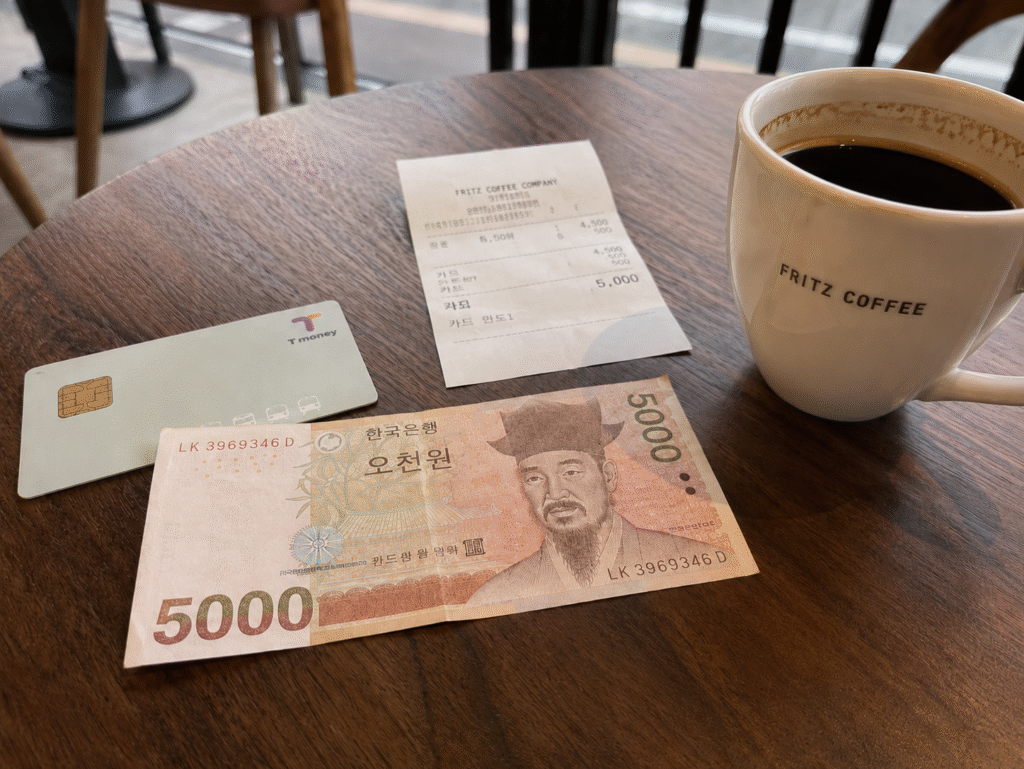
his name is Yulgok Yi I (율곡 이이) and he appears on Korea’s 5,000-won bill
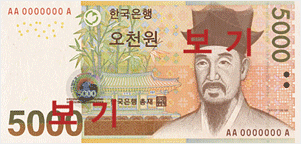
But Yulgok Yi I was on Korean currency long before his mother was. The 5,000-won bill has carried Yulgok Yi I’s face since it was first issued in 1972. His portrait was later revised in 1977, but the man on the bill remained the same. The 50,000-won bill with Shin Saimdang only came in 2009.
And he deserves to be introduced on his own terms.
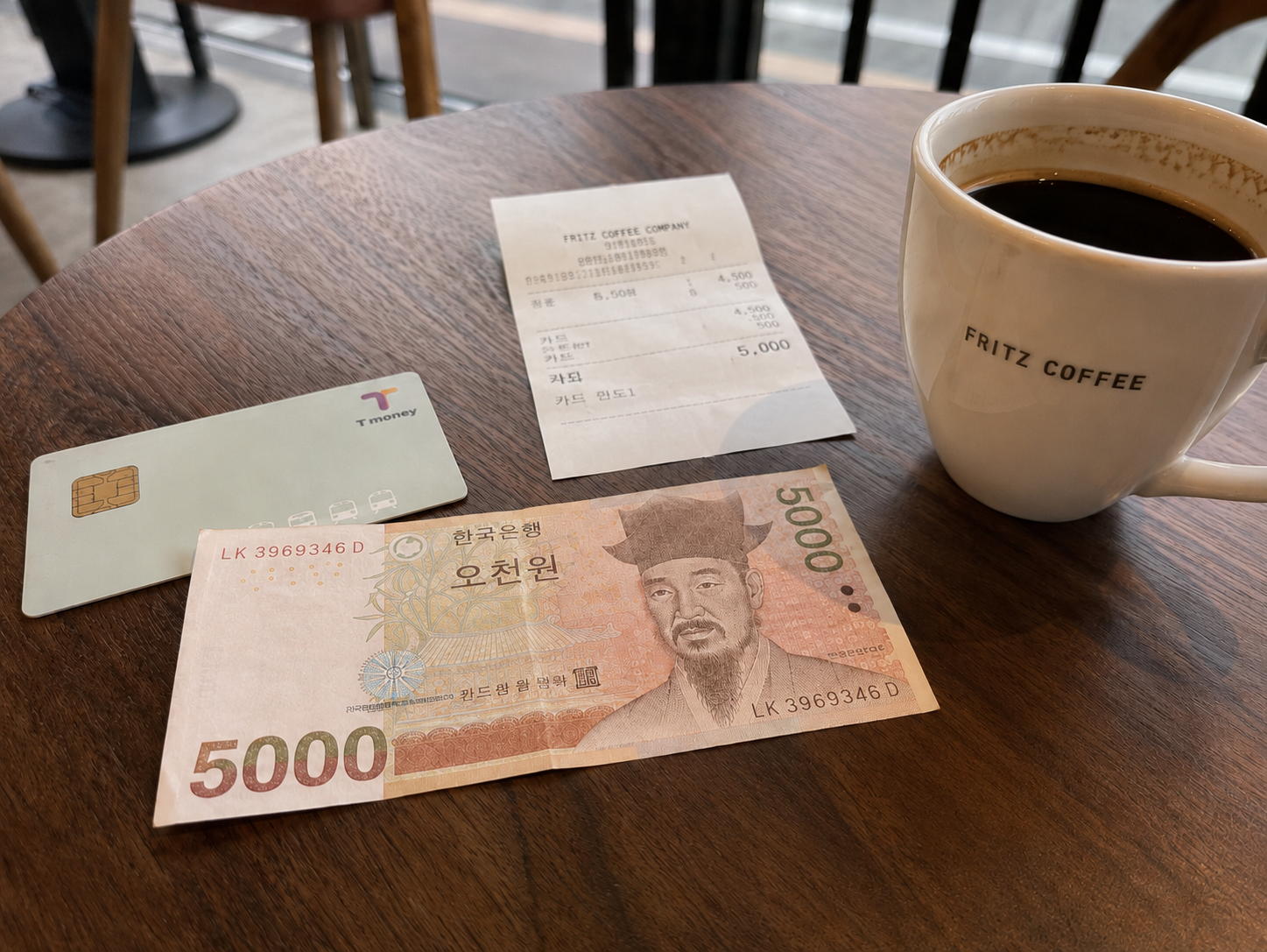
If you have ever used a 5,000-won bill in Korea — paid for a coffee, split a meal, handed one over at a market — you have already held his face without knowing his story. This is that story.
The Boy Behind the Banknote
Before he was a scholar, before he was a politician, before his face was printed on any currency — Yulgok Yi I was still a teenager when his mother died — and he was far from home when the news reached him.
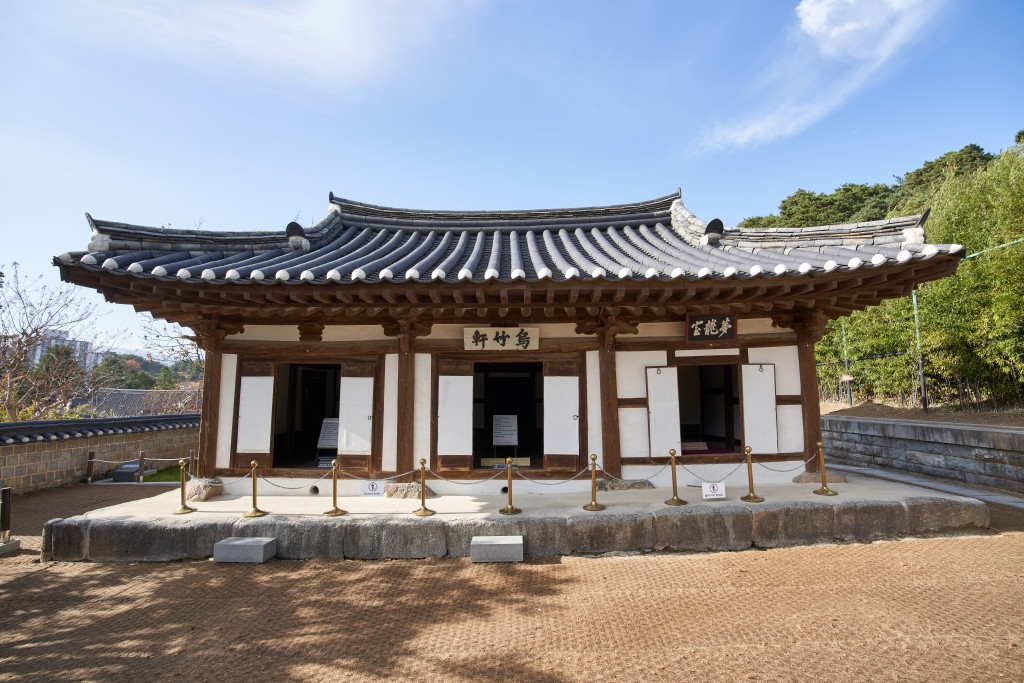
Shin Saimdang passed away in 1551, when Yi I was still a teenager. His father, a government official, had taken him along on a work trip to Pyongyang. When word came that his mother was gone, the boy who would one day become one of Joseon’s greatest minds was far from home.
What followed was not what most people expect from a future Confucian scholar.
He built a small hut beside his mother’s grave in Paju (A village located in the northwest direction of Seoul) and lived there for three years. This was a form of Confucian mourning known in Korean as simyo: living near a parent’s grave as an act of filial devotion.
When his father later fell seriously ill, Yi I went into the family shrine and wept openly, praying for his father’s recovery.
These are not the gestures of a cold intellectual. They are the acts of someone who felt things deeply — and did not hide it.
But the grief did not stop there.
After his mother died, his father brought another woman into the household, and life at home became increasingly difficult. She drank heavily, starting each morning with several cups before she could get out of bed.
Some accounts describe her as volatile and difficult, with heavy drinking and alarming outbursts that made home life painful for the children. Yi I, who had just lost the gentle and steady presence of Shin Saimdang, eventually couldn’t take it anymore. He left home.
For a traditional Korean household, a son leaving was a serious act. It was not done lightly.
After three years of mourning by the grave, he made an even more unexpected choice.
He left again — this time for the mountains.
After Loss, He Went Looking for Answers
This is the part that surprises people.
Yulgok Yi I — the Confucian scholar whose face appears on Korea’s 5,000-won bill, the man whose writings are still studied in Korean schools today — spent about a year in Buddhist study.
In Joseon, this was not a small thing. Buddhism had been the dominant religion of the earlier Goryeo dynasty, but Joseon was built on Confucian ideology. Buddhism was pushed to the margins. Monks were socially looked down upon. For a member of the educated elite to enter that world was, at minimum, a scandal.
Yi I stayed for about a year. He searched for answers to the question that had haunted him since his mother’s death: why are people born, and why do they die?

He did not find the answer he wanted there. Buddhism, for all its depth, could not give him what he was looking for. So he came back.
But he did not return as the same young man who had left. The mountains had not given him final answers. They had taught him to distrust easy ones.
The Scholar Who Refused to Stay in His Study
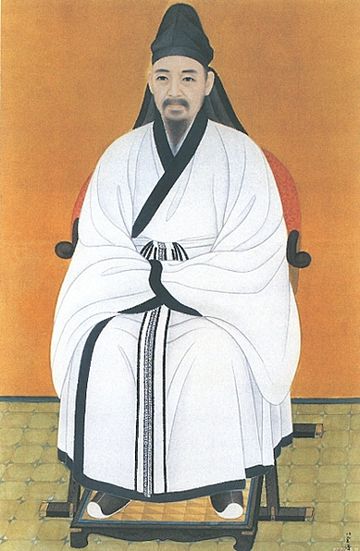
When Yi I returned to Confucian learning, he did not return to a life of quiet study alone.
He threw himself back into the civil service examinations — the system that determined who would govern Joseon.
Think of it as an elite civil service exam — part academic test, part moral evaluation, and part gateway into the highest levels of government. Passing meant a government career. Coming in first — what Koreans called jangwon, the top of the entire exam — meant the king himself took notice.
Yi I came in first nine times across different examinations, beginning when he was still very young.
Koreans still remember him by the nickname this record earned him: Gudo Jangwon gong(구도장원공) — “the man who topped the exams nine times.” Koreans remember this as an almost unmatched record.
But his time in the mountains followed him. Political rivals used it against him throughout his career, accusing him of having abandoned Confucian values. The controversy followed his reputation long after his death.
Two people stood by him without conditions: his teacher and his lifelong friend. They knew what the mountains had been — not a betrayal, but a young man trying to find his footing after loss.
What is striking about this period is not only the scandal. It is what it reveals about how Yi I thought. He was not someone who accepted frameworks simply because they were handed to him.
Even when speaking about a teacher he deeply respected, Yi I could be unsparing. In one famous assessment, he described him as “high in spirit, but rough in scholarship.” For someone who was practically a father figure to him, this was a remarkably cold assessment.
But that was Yi I. He would rather be honest than polite.
That same habit of mind would shape his public career.
Yi I did not treat scholarship as something that belonged only in books. Once he entered government, he used his learning to argue about real problems: officials chosen for loyalty instead of ability, taxes that burdened ordinary people, military systems that existed more on paper than in practice, and borders that were not ready for crisis.
For him, learning was not a private achievement. It was a tool for governing.
The Six Things He Thought Joseon Had to Fix
In 1583, Yi I presented the king with a document laying out what he believed were the six most urgent problems facing Joseon. Koreans often call this proposal Simu Yukjo(시무 6조) — “the Six Urgent Tasks.” The word simu refers to matters that are important, immediate, and impossible for a government to keep postponing.
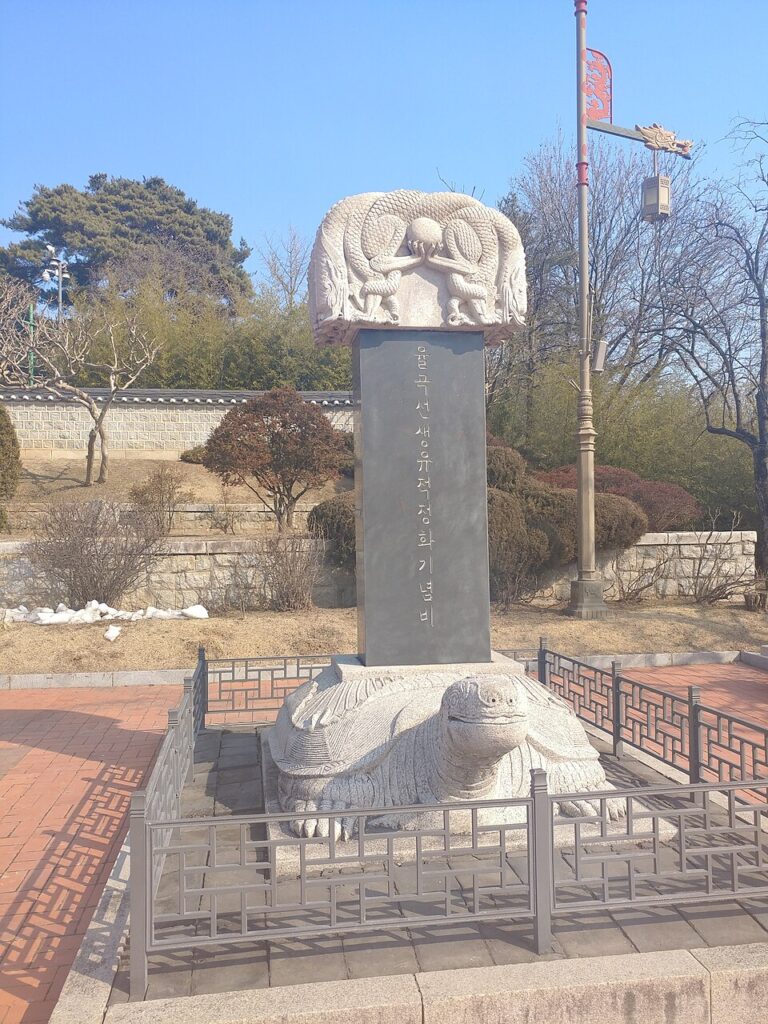
This was not a petition from a frustrated outsider. It was closer to a policy memo from a senior official who believed the state was running out of time.
Appoint capable officials.
Yi I worried that offices were too often shaped by faction, influence, and personal connection rather than ability. Yi I argued this had to stop. The right people in the right roles was not a moral nicety. It was a functional requirement.
Rebuild the military.
The army was understaffed, undertrained, and poorly organized. Joseon’s defense capacity had weakened over time, especially as military systems became more formal on paper than effective in practice.
Stabilize public finance.
Ordinary people were bearing unfair tax burdens. The state’s finances were mismanaged. This was not sustainable.
Strengthen the borders.
The northern frontier, where Jurchen tribes posed a real and growing threat, needed proper defensive infrastructure. Not just plans, but fortifications, garrisons, and supply lines that could actually function.
Prepare military supplies.
Horses, weapons, equipment. The basic materials of defense. Yi I wanted these accounted for and ready, not assumed.
Restore social order through education.
A functioning society required shared values and proper education. Without it, the other five reforms would not hold.
Read together, these were not the concerns of someone lost in abstract philosophy. They were the checklist of someone who had looked at the state of the country and decided that comfortable silence was not an option.
The Warning That Became a Legend
The most famous story about Yulgok Yi I is the “100,000 soldiers proposal.”
In Korean historical memory, it is often told like a prophecy: Yulgok warned that Joseon needed to prepare a large trained force, the court ignored him, and eight years after his death, Japan invaded. Joseon nearly collapsed.
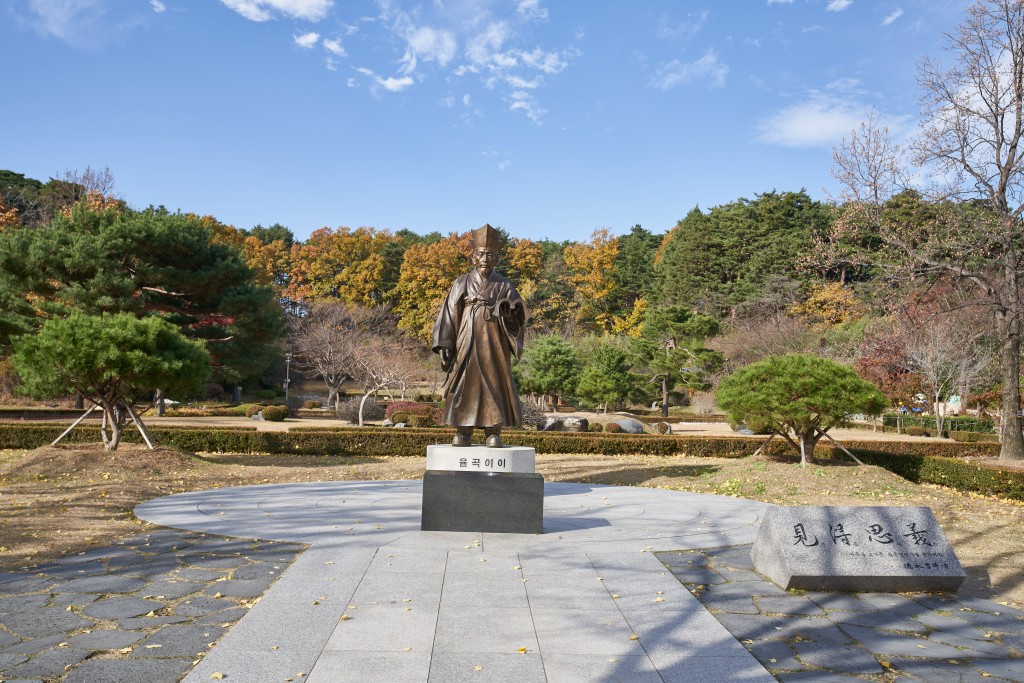
But calling it a prophecy misses the point.
The exact details of the proposal are still debated by historians. Some records remember Yi I as urging the state to prepare 100,000 soldiers in advance. Other interpretations point out that his broader concern was not simply the number itself, but the weakness of Joseon’s military and administrative system.
What matters is this: Yi I did not see defense as something that existed just because it was written in a record.
On paper, Joseon appeared to have a large military system. In practice, many of those numbers did not translate into trained, ready soldiers. The soldiers existed on paper. The training, weapons, and supply lines were far less reliable.
Yi I was not reading the stars. He was reading the ledger — and noticing the gap between what the state claimed to have and what it could actually use.
He was not predicting disaster. He was describing a weakness that was already there, hiding inside the numbers that everyone else had agreed to stop questioning.
That is why the story survived. Not because Yi I was a mystical prophet, but because he saw something governments often prefer not to see: the difference between being prepared on paper and being prepared in reality.
The Man Korea Still Carries in Its Wallet
Yulgok Yi I died in 1584, at the age of forty-eight. He had spent much of his adult life in government, arguing for reforms that were only partially implemented, navigating a political world that never fully accepted him, and writing works that would outlast many of the arguments made against him.
He did not live long enough to see how urgent those warnings would become. He did not get to rebuild Joseon into the country he thought it could be.
What he left behind was a body of work — political, philosophical, educational — that Korean society has returned to repeatedly in the centuries since. Not because he was always right, or always liked, or always understood. But because the questions he kept asking did not go away.
Is the government putting capable people in the right positions?
Is the country prepared for threats it would rather not think about?
Are the people who bear the heaviest burdens being treated fairly?
Is reform happening because it is needed, or being avoided because it is uncomfortable?
These are not Joseon-era questions. They are questions that any society has to keep asking.
On the surface, Yulgok Yi I is the scholar on Korea’s 5,000-won bill. But behind that portrait is a larger story: a boy who grieved so deeply he disappeared into the mountains for a year, a thinker who came back and refused to accept easy answers, and a politician who kept saying what no one wanted to hear.
Korea chose to put his face on its currency not to settle what he means, but to keep the questions traveling.