The Woman on Korea’s Highest Banknote: Artist, Mother, or Symbol?
The Face You’ve Seen Without Knowing
If you have ever exchanged money before a trip to Korea, or paid for something in Seoul and received change, there is a good chance you have already seen her face.
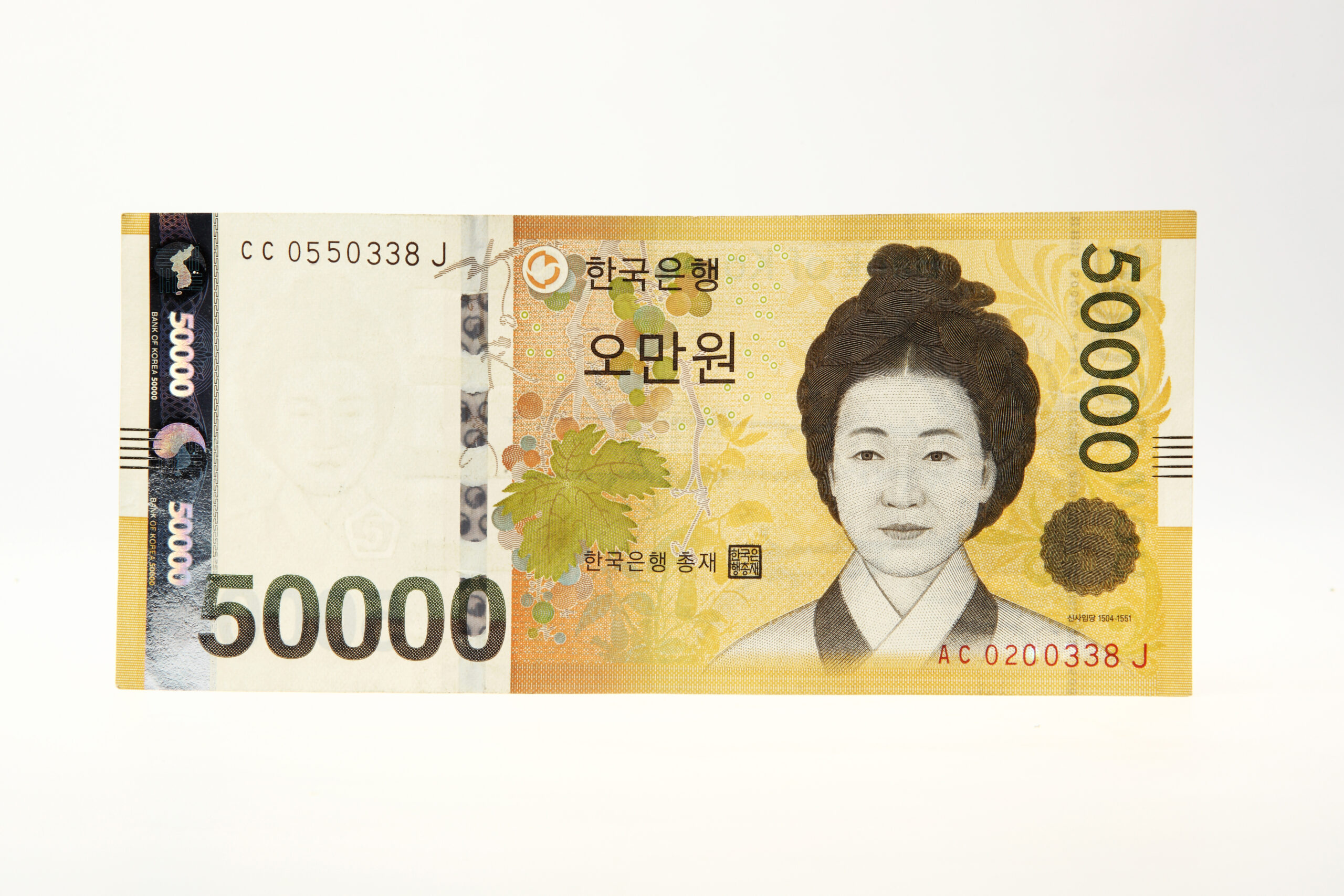
She appears on the 50,000-won bill — Korea’s highest banknote. Her expression is calm. Her clothing is traditional. And if you are like most visitors, you probably glanced at her and moved on without asking who she was.
Her name is Shin Saimdang(신사임당).
And her story is not as simple as a face on a bill.
A Woman on Korean Money — That Was New
To understand why Shin Saimdang’s face matters, you first need to know what Korean money looked like before her.
For decades, the best-known faces on Korean banknotes were male figures. Scholar Yi Hwang on the 1,000-won bill. Scholar Yi I on the 5,000-won bill. King Sejong the Great on the 10,000-won bill. Warriors, kings, and Confucian scholars — all men.
Then, in June 2009, the 50,000-won bill was introduced for the first time. It became the highest-denomination banknote currently in circulation in South Korea. And on the front of it was a woman.
That alone was unusual. But what made it more interesting was who that woman was — and what she had come to represent in Korean culture long before she ever appeared on a banknote.
So Who Was She, Really?
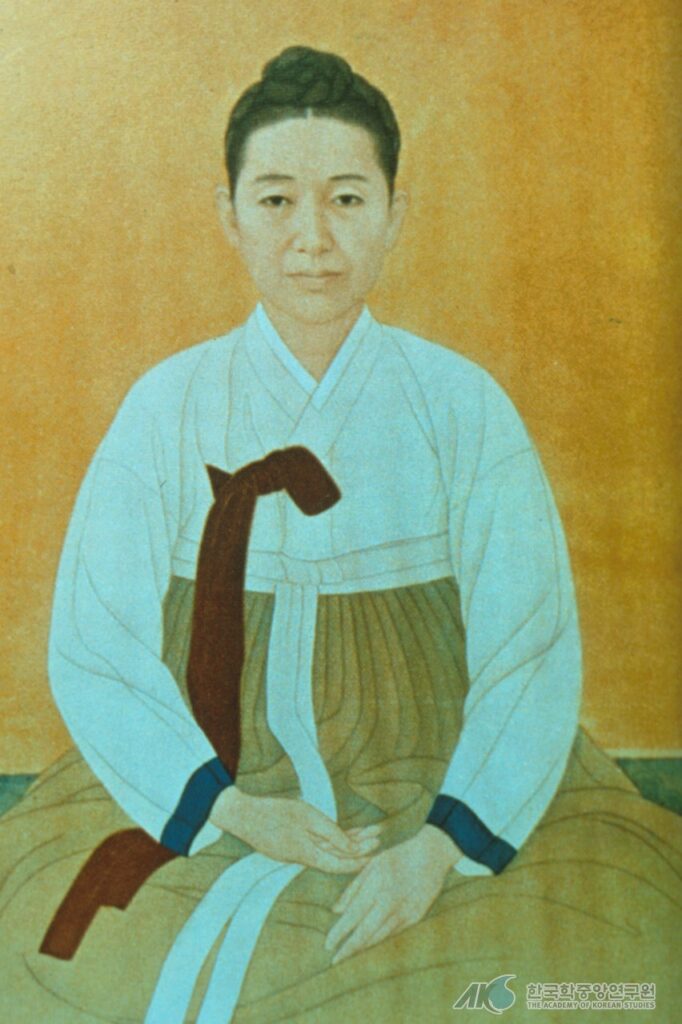
Shin Saimdang (1504–1551) was a Joseon-era artist, poet, and calligrapher — and the mother of the scholar Yi I, one of the most celebrated Confucian thinkers in Korean history.
She was born during the Joseon Dynasty — Korea’s last royal dynasty, which lasted over five hundred years.
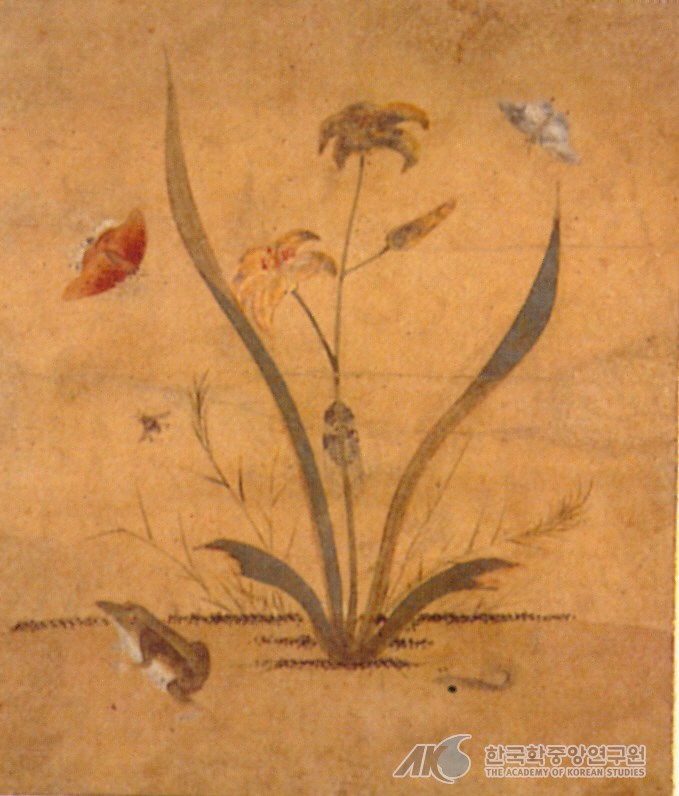
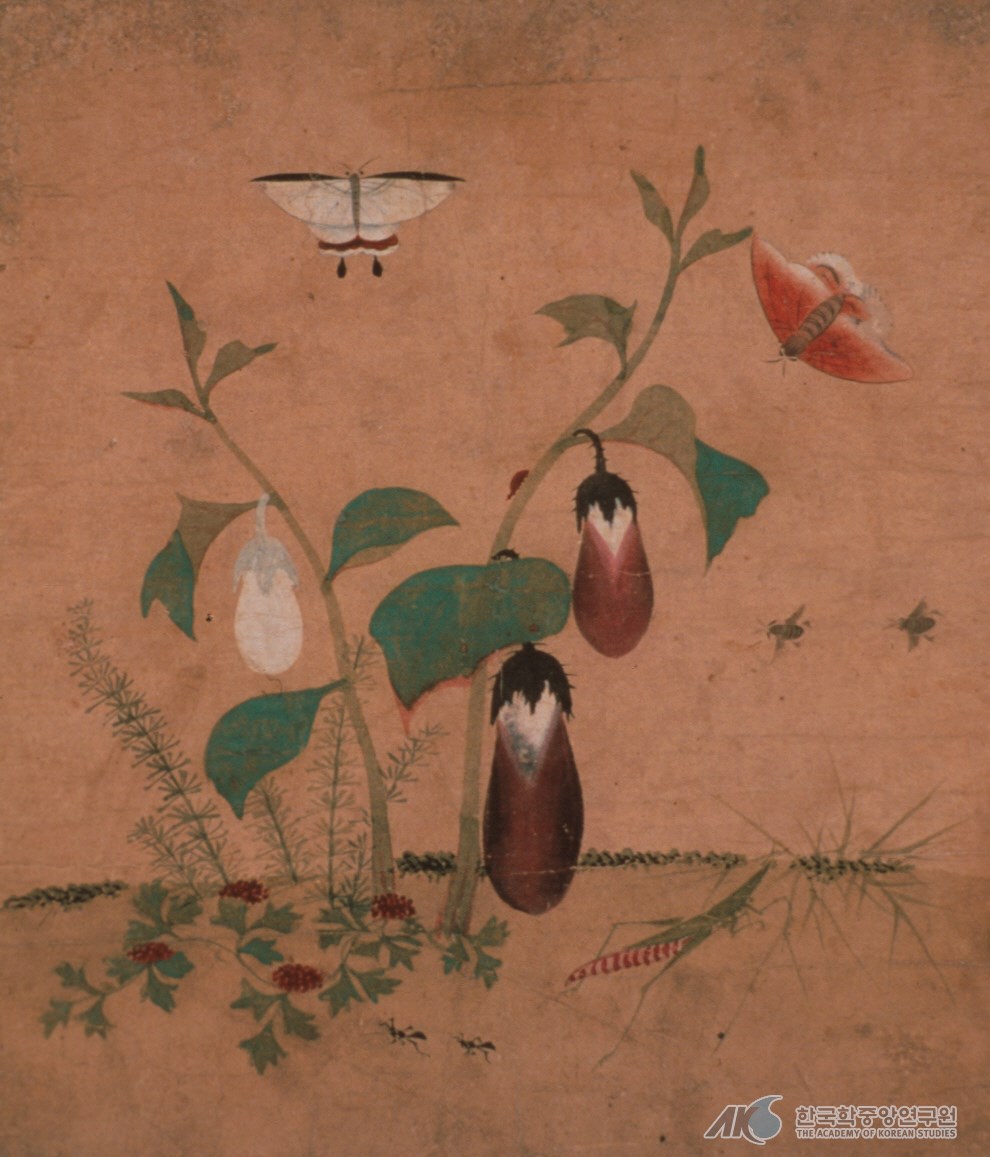
In a Confucian society where elite women’s public visibility was limited, she was known for her artwork. Her paintings of grapes, flowers, and insects were admired not for grandeur, but for precision, sensitivity, and control — qualities that made her work stand out in an era when few women had the opportunity to develop or show artistic skill at all.
She was also the mother of Yi I — known by his pen name Yulgok — one of the most celebrated Confucian scholars in Korean history.
So when you look at her face on the 50,000-won bill, you are looking at someone who carried more than one identity at once. An artist. A scholar’s mother. A woman of the Joseon Dynasty who somehow became one of the most recognized names in Korean history.
The question is: which part of her did Korea decide to remember?
The Mother Korea Remembered
In Korea, Shin Saimdang has long been associated with an ideal that translates roughly as “wise mother and good wife” — a phrase that sounds simple in English, but carries a great deal of social meaning in Korean culture. For much of modern Korean history, she was held up as the model of what a Korean woman should be: educated, devoted, and above all, a good mother.
Much of this image came from her son. Yi I became one of the greatest scholars of the Joseon era, and the story of his success was often traced back to his mother’s influence. She taught him. She guided him. She shaped him.
And so, in many Korean textbooks and cultural narratives, Shin Saimdang’s greatest achievement was not her paintings or her poems. It was her son.
When she was selected for the 50,000-won bill, some people in Korea felt that this was exactly the image being celebrated again — not the artist, but the mother. Not the woman herself, but the woman behind a great man.
It was a complicated feeling. And it was not the only way to see her.
The Artist Korea Almost Forgot
Look closely at the 50,000-won bill, and you will notice something.
Her portrait does not stand alone. Around it, printed directly onto the banknote, are images of her artwork — a painting of grapes done in ink, and a detail from a folding screen painting of plants and insects. The bill did not just put her face on Korean money. It put her art there too.
That choice matters.
Shin Saimdang’s paintings survived for centuries. Her depictions of nature — careful, detailed, quietly expressive — were considered exceptional in an era when women rarely had the opportunity to develop or display artistic skill at all. She was not simply a mother who happened to paint. She was a painter.
To remember her only as Yulgok’s mother is to make her smaller than she actually was. But in Korean popular culture, that smaller version of her story became the dominant one for a long time.
The 50,000-won bill, perhaps quietly, tried to offer something more.
The Question Her Face Still Asks
When a country puts someone on its money, it is making a choice. Out of everyone in its history, it selects a face and says: this person represents something we want to carry with us.
Korea chose Shin Saimdang for its highest banknote. And in doing so, it chose a woman who was, at the same time, an artist, a mother, and a symbol — three things that were never quite separated in her life, and never quite equal in how they were remembered after it.
The 50,000-won bill does not settle what Shin Saimdang means. It preserves the tension. She is remembered there as an artist who painted grapes and insects with quiet precision. As a mother whose son became one of Korea’s greatest scholars. And as a symbol of something Korea wanted to say about itself — though exactly what that something is, the bill has never fully explained.
Maybe that is the point. A banknote does not argue. It simply holds the face, and lets the question travel.