Why Is the Korean Ghost Always a Woman?
Have you ever watched a Korean horror movie or drama?
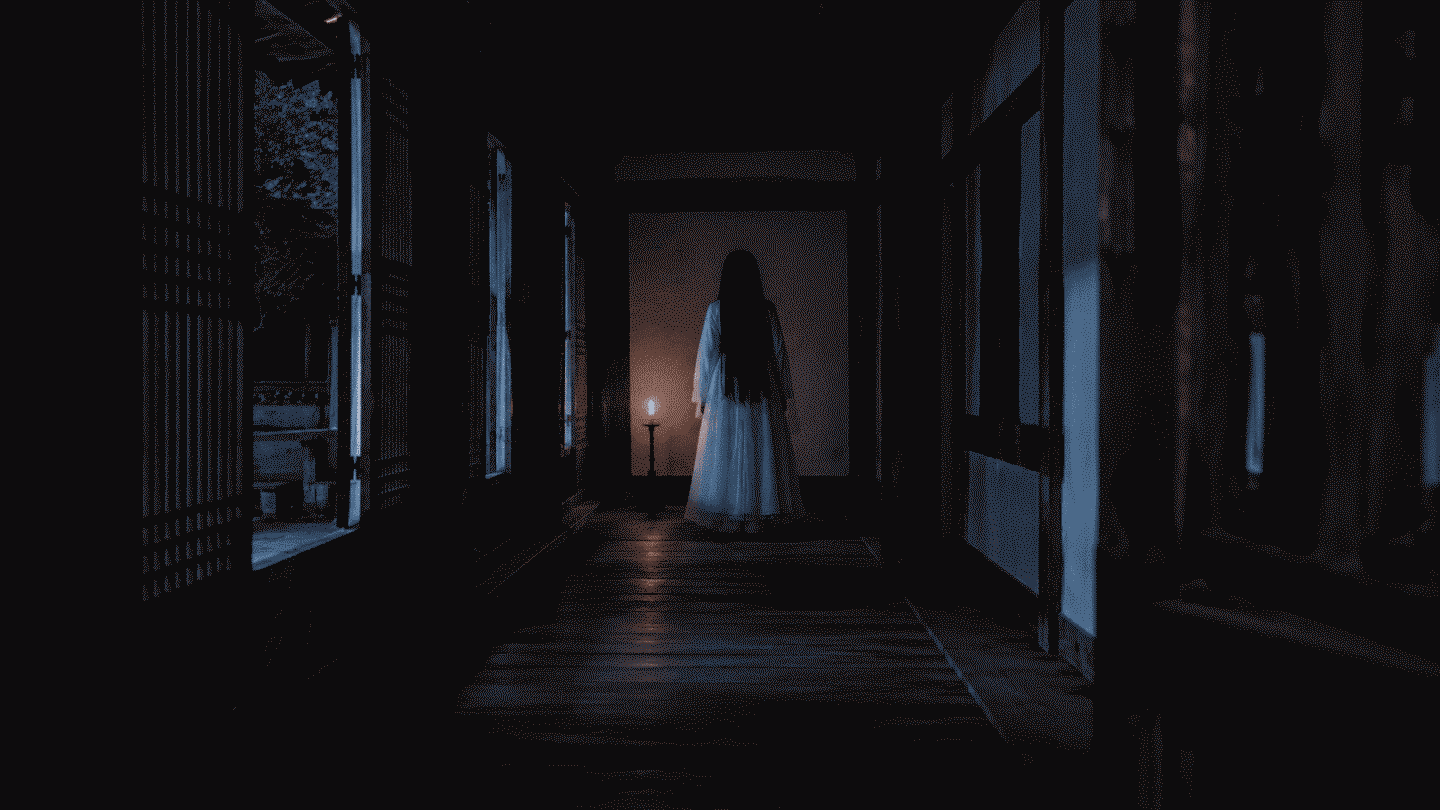
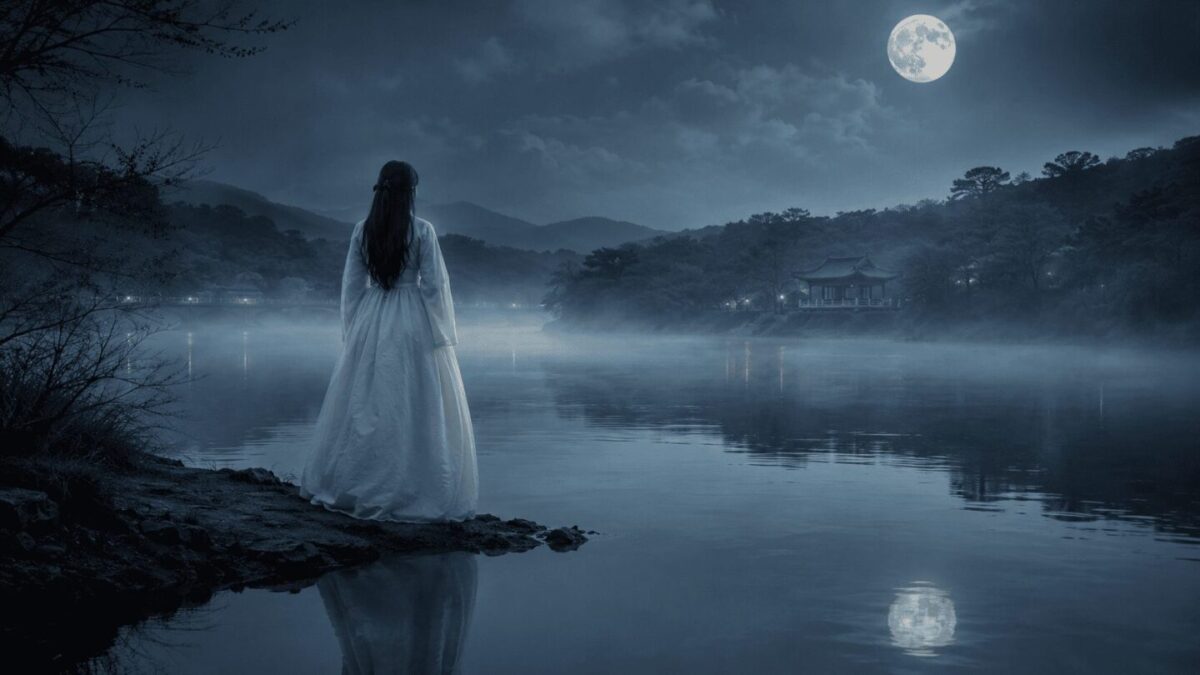
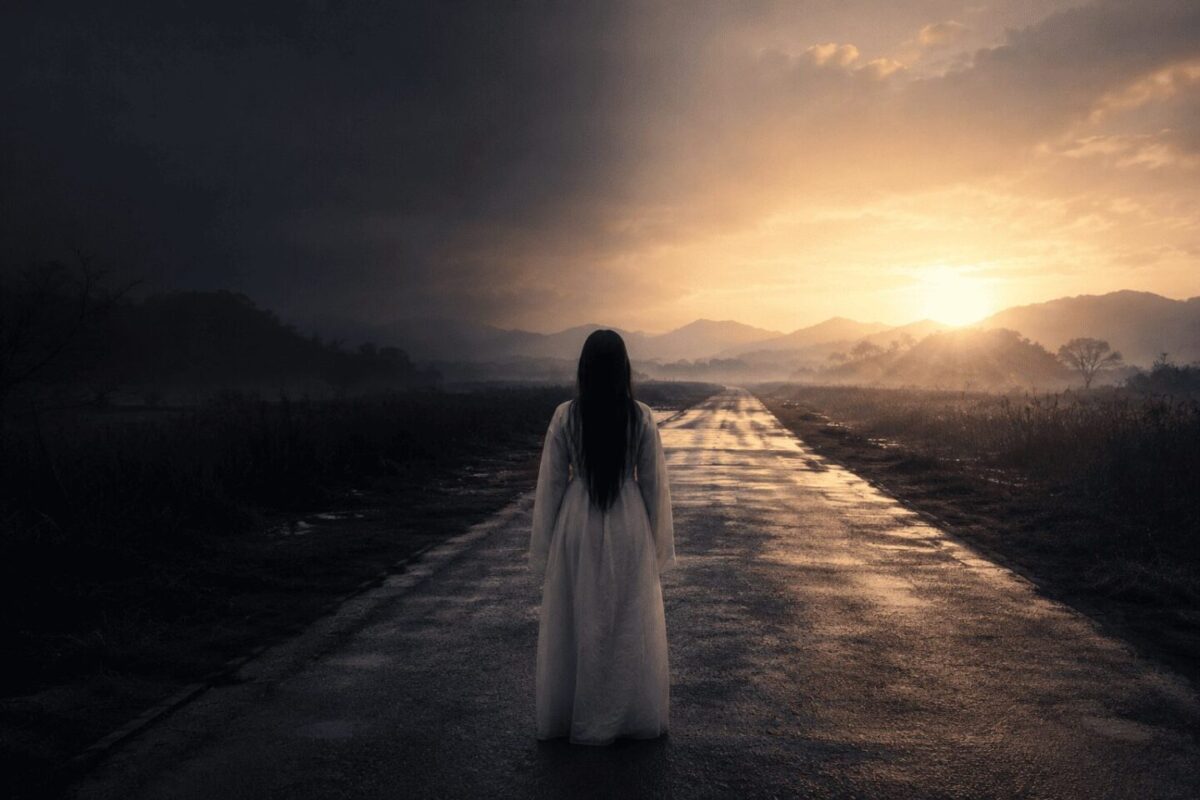
If you have, you already know the image. A woman. Long black hair hanging loose over her face. White hanbok. Moving slowly — or not moving at all, just standing there, somewhere she shouldn’t be.
It doesn’t matter which film. It doesn’t matter which drama. The ghost looks the same. She is always a woman. She is always in white. And she always seems to have something to say.
Most people who notice this assume it’s a visual convention — a Korean horror cliché, the way Western horror has clowns or masked killers. But it isn’t a cliché. It’s a record.
The Korean ghost didn’t become a woman by accident. She became a woman because Korean society made her one.
The Ghost Who Has Something to Say
In Western horror, ghosts are often simply dangerous. They haunt. They possess. They kill. The point is fear.
Korean ghosts are different. The point is unfinished business.
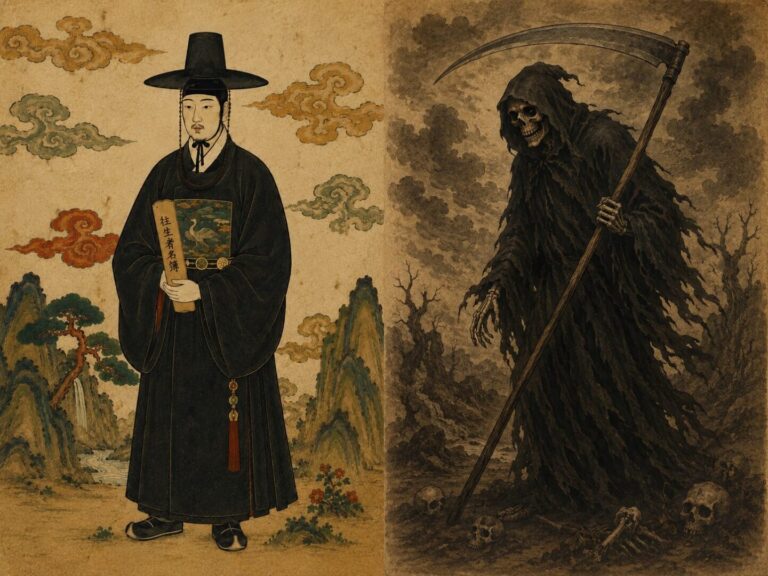
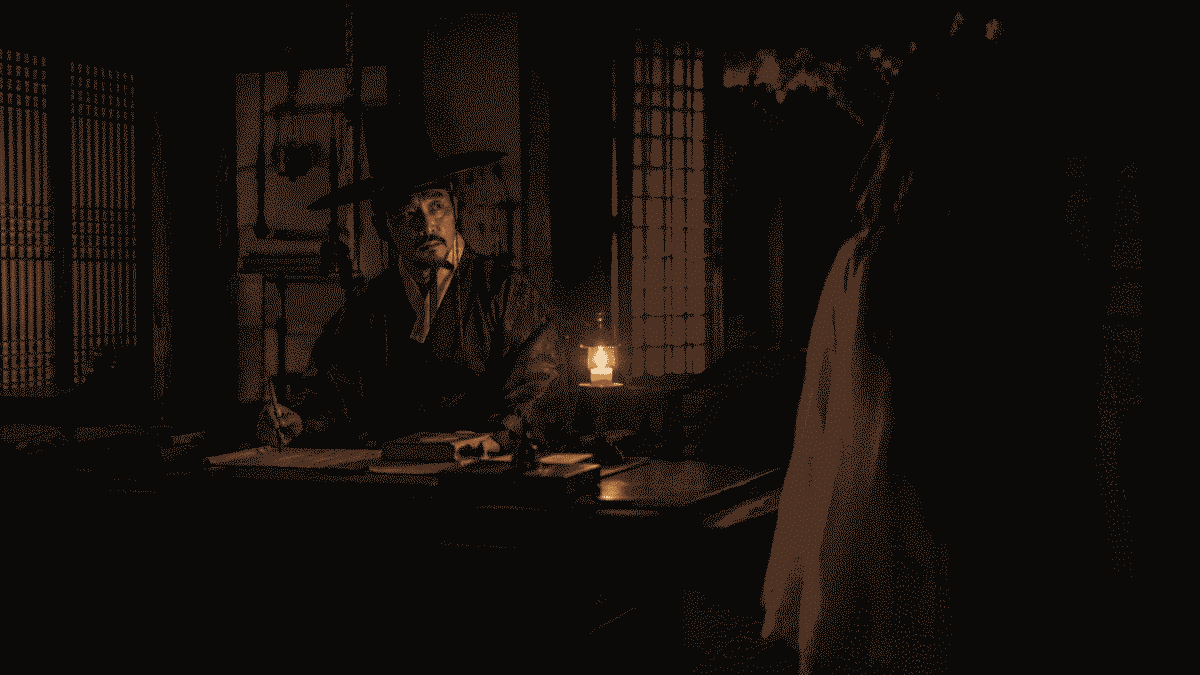
When I was young, one of the first ghost stories I encountered wasn’t a horror story at all — not really. It was about a magistrate who arrived in a new town and was visited one night by a young woman. She was calm. She didn’t scream or attack. She just appeared and told him her story: how she had died wrongfully, how no one had listened, how she needed someone with authority to hear what had happened to her.
The magistrate investigated. He found the truth. He set the record straight.
And the woman — the ghost — was finally able to rest.
That’s the structure of the Korean ghost story at its most traditional. Not a monster to be defeated. A person to be heard. The ghost appears not because she wants to terrorize the living, but because she has han (한) — a grief so deep and unresolved that it physically cannot let her leave.
When her han is resolved, she goes. When it isn’t, she stays.
Why a Woman: What Joseon Wouldn’t Let Her Say
Here is the part that turns a ghost story into something else entirely.
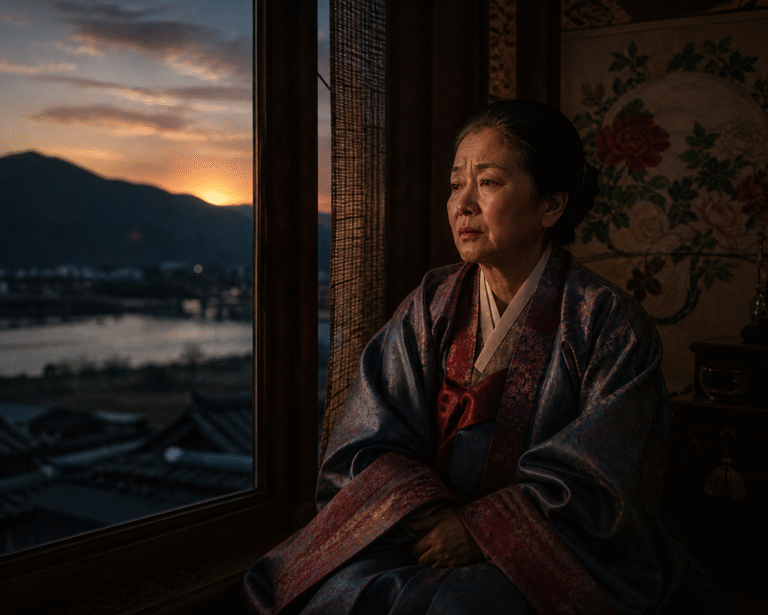
In Joseon-era Korea, a woman’s life was structured almost entirely around what she was not permitted to do. She could not choose who she married. She could not own property. She could not speak in public spaces that mattered. She could not leave a marriage, no matter the circumstances. If she was wronged — by a husband, by a family, by a system that treated her as property — there was no mechanism to address it. No authority to appeal to. No voice that would be taken seriously.
She could suffer. She could grieve. She could carry that grief silently for the rest of her life.
And if she died carrying it — it stayed with her.
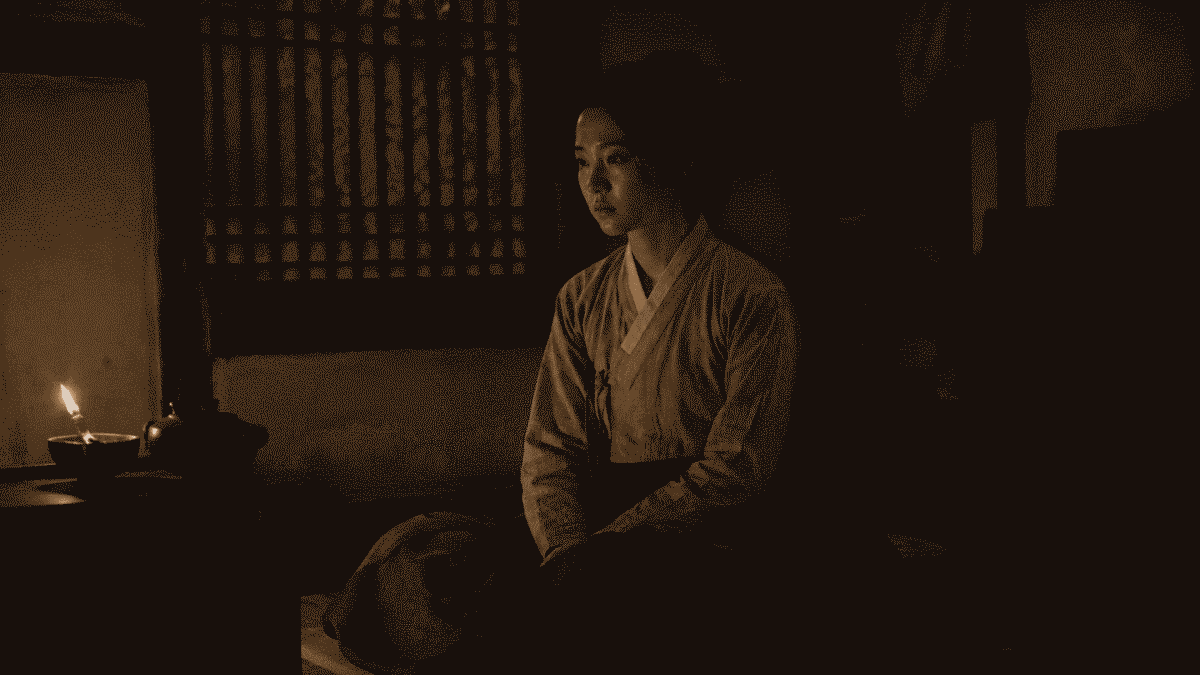
The Korean ghost known as cheonyeo gwishin (처녀귀신) — the spirit of a young woman who died unmarried — exists because in Joseon society, marriage was not simply a romantic event. It was the ceremony that made a woman a full adult member of society. To die before that threshold was to die incomplete, unrecognized, unfinished.
That incompleteness didn’t disappear when she died. It became han. And han, in Korean belief, doesn’t just fade. It accumulates. It anchors. It keeps you here.
The ghost is not a monster. She is a woman who finally has nothing left to lose by speaking.
Han: The Grief That Doesn’t Let Go
To understand the Korean ghost, you have to understand han (한).
Han is not a word that translates cleanly. It’s not simply sadness, or anger, or grief, though it contains all three. Han is what accumulates when injustice goes unaddressed for long enough — when you are wronged, and there is no resolution, and the wound simply has to be carried. It is grief with nowhere to go.
Korea has a long cultural relationship with han. It appears in music, in poetry, in the way certain stories are told. And in the ghost tradition, it is the engine of everything.
A person who dies with han unresolved cannot move on. The han holds them in place — not in the world of the dead, not fully in the world of the living, but somewhere in between. Waiting. Hoping that someone, eventually, will hear them.
This is why Korean ghost stories so often end not with an exorcism but with a resolution. The ghost doesn’t need to be destroyed. She needs to be answered. Someone has to acknowledge what happened, correct the injustice, or simply bear witness to what she went through.
In the West, you defeat a ghost. In Korea, you listen to one.
The White Hanbok Wasn’t Always the Image
Now here is where the story takes a turn.
The image of the Korean ghost you carry in your head — long black hair loose over her face, white hanbok, slow deliberate movement — that image is not as ancient as you might think.
In traditional Korean folktales, the ghost didn’t look like that. She looked like herself. She looked like she did when she was alive. In the original text of Janghwa Hongnyeon — one of Korea’s most famous ghost stories, the source material behind countless adaptations — when the ghost Hongnyeon appears before the magistrate, she is described as dressed in her finest hanbok, the kind you’d wear to a celebration. Beautiful. Composed. Not frightening at all to look at.
The image we now associate with Korean ghosts — the loose hair, the white mourning clothes — was largely shaped during the Japanese colonial period, when Japanese ghost imagery from novels and early cinema entered Korean popular culture. By the 1930s, it had already become the standard visual.
This matters not because it makes the ghost tradition less Korean — the stories, the han, the social meaning, all of that is deeply Korean. But it means that the most recognizable visual symbol of the Korean ghost is a layer added later, over something that was always about more than appearance.
The original Korean ghost was frightening not because of how she looked. She was frightening because of what she knew. What had been done to her. And how long she had been waiting to tell someone.
She Was Never Just a Ghost
The Korean ghost endures — in horror films, in dramas, in the quiet fear of an empty hallway at night — because she was never only a supernatural creature.
She was a record of every woman who was wronged and had no recourse. Every woman who carried something unresolvable for her entire life and then kept carrying it after. Every woman who needed to be heard and wasn’t — until she came back and made it impossible to ignore her.
The reason she is always a woman is not because women are more frightening. It’s because women had more to grieve.
And the reason Korean ghost stories so often end with her finally resting — finally going — is because that’s the resolution the story was always reaching for. Not her destruction.
Her release.
The Gwishin is one of many figures in Korea’s supernatural tradition who exist not to terrorize, but to tell a story. If you haven’t already, the Gumiho — Korea’s nine-tailed fox — is another creature whose darkness runs deeper than most people expect. [Read: Gumiho: Korea’s Nine-Tailed Fox Is Not Who You Think She Is]
She was never just a ghost. She was everything the living world refused to hear — finally saying it out loud.