Dapjeongneo: The Korean Word for a Question That Was Never Really a Question
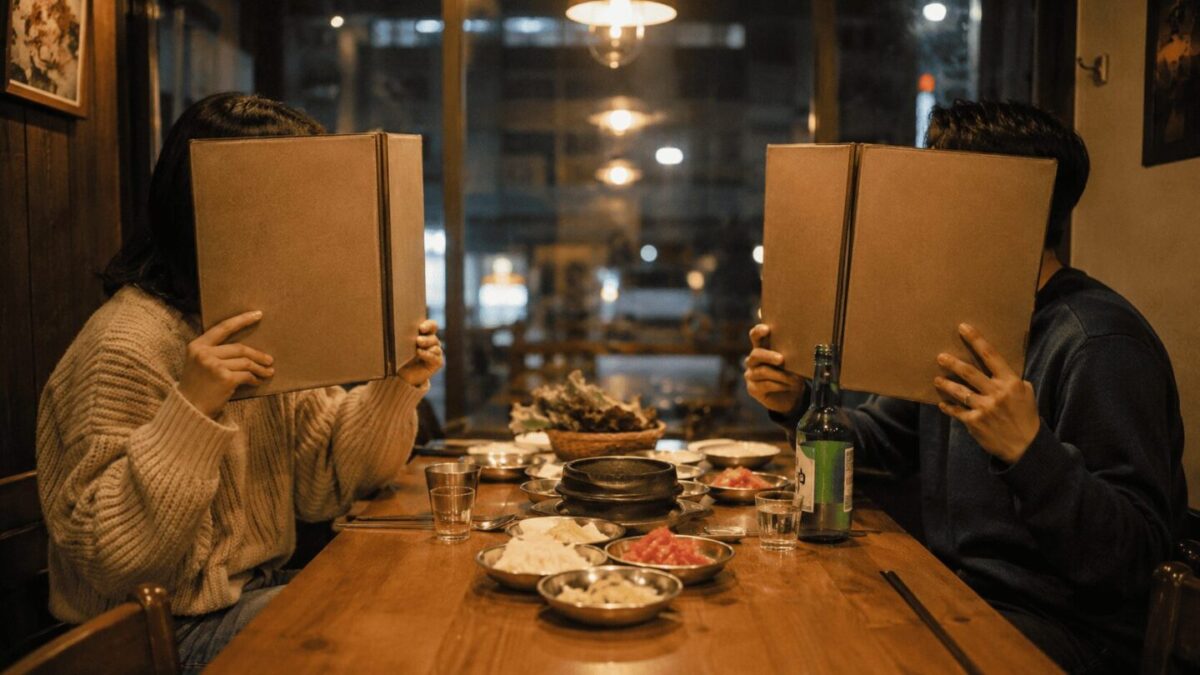
Let me reenact dapjeongneo — the conversation that happens somewhere in Korea approximately four million times a day.
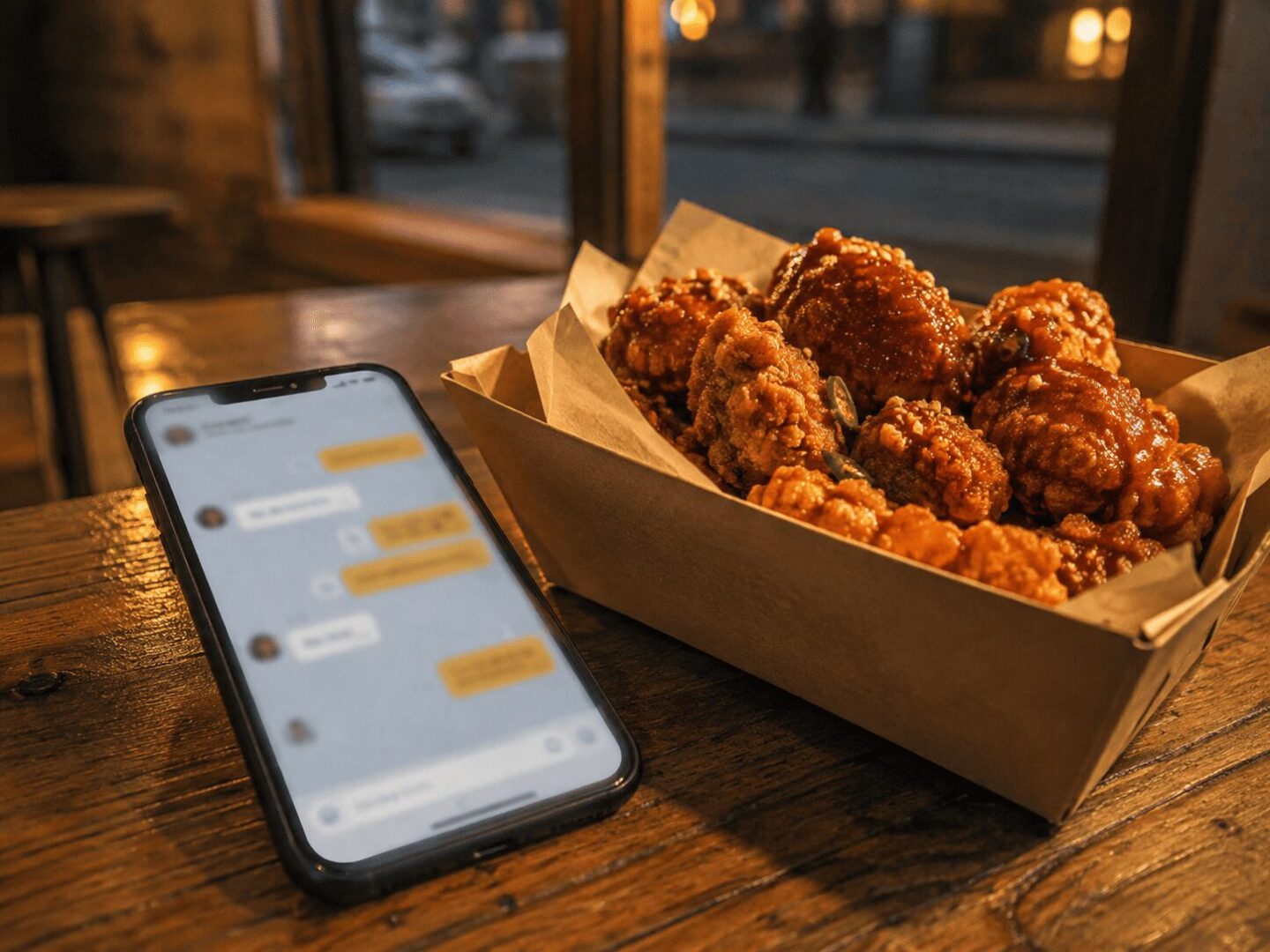
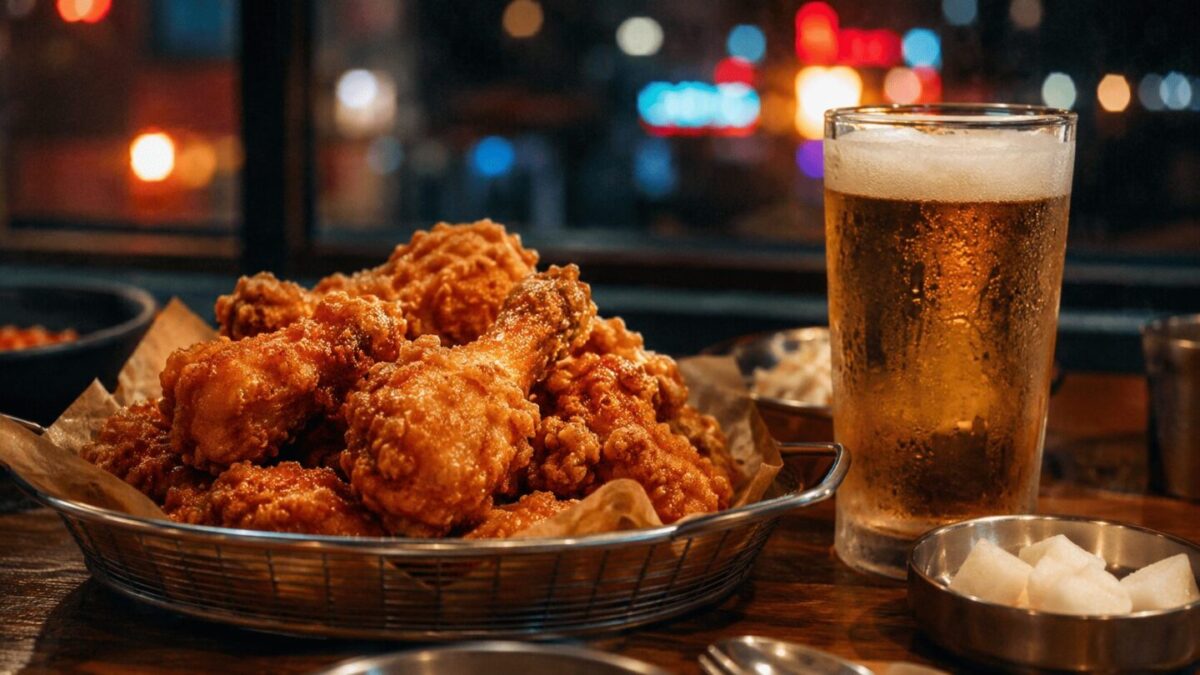
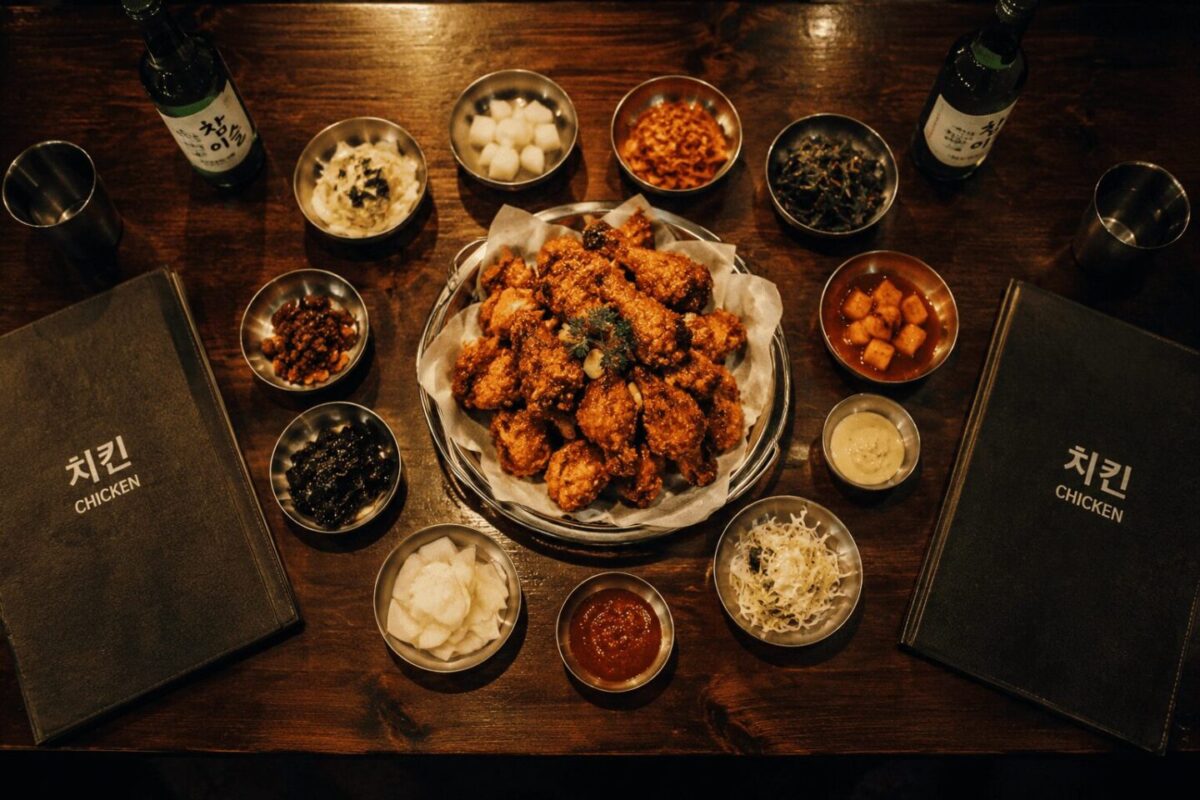
Me: “What do you want to eat?” My friend: “Anything’s fine.” Me: “Pork belly BBQ?” Friend: “Mmm… feels a little heavy today.” Me: “Galbi?” (marinated ribs — trust me, nobody turns down galbi) Friend: “Had that yesterday, actually.” Me: “…Fried chicken?” Friend: “Oh! Chicken sounds great.“
Notice what happened there. “Anything” was never anything. “Anything” was chicken the entire time. I wasn’t being asked a question — I was being handed a maze with exactly one exit, and my only job was to find it quickly.
Koreans experienced this situation so universally, so many times, that we did the most Korean thing possible: we compressed the entire phenomenon into a single word.
That word is dapjeongneo (답정너).
The Word: An Entire Situation in Three Syllables
Dapjeongneo (pronounced roughly dahp-jung-nuh) is Korean internet slang that abbreviates a whole sentence:
답은 정해져 있고 너는 대답만 하면 돼 “The answer is already decided — you just have to say it.”
Dap (answer) + jeong (decided) + neo (you). Three syllables, one universal human experience. It describes both the rigged question itself and the person asking it. Your friend who “doesn’t care” where you eat? Dapjeongneo. The question that comes with a pre-installed answer? Also dapjeongneo.
If English worked this way, “the-answer-was-already-decided-you-just-have-to-say-it” would have become something like DADYS by now. English gave the world FOMO and YOLO, so don’t act like this compression technology is foreign to you — Korean just applies it to entire social situations instead of lifestyle mottos. This isn’t the first time Korean has compressed a whole feeling into a few characters — the internet even bent Korean punctuation itself to do the same job.
And to be clear about the tone: dapjeongneo isn’t an accusation. It’s said with an eye-roll and a grin, the way you’d call your friend “extra.” It’s affectionate exasperation, bottled.
It’s Never Just About Food
Once you have the word, you start seeing dapjeongneo everywhere. It’s like learning a constellation — the stars were always there, but now they have a shape.
Movie night, for instance. “Which one should we watch?” “You pick!” So you pick. “Hmm, that one’s three hours though.” You pick again. “I heard the ending’s weak.” By the third veto you understand: there was always one movie. Your friend knew which one. The selection process was theater, and you were the opening act.
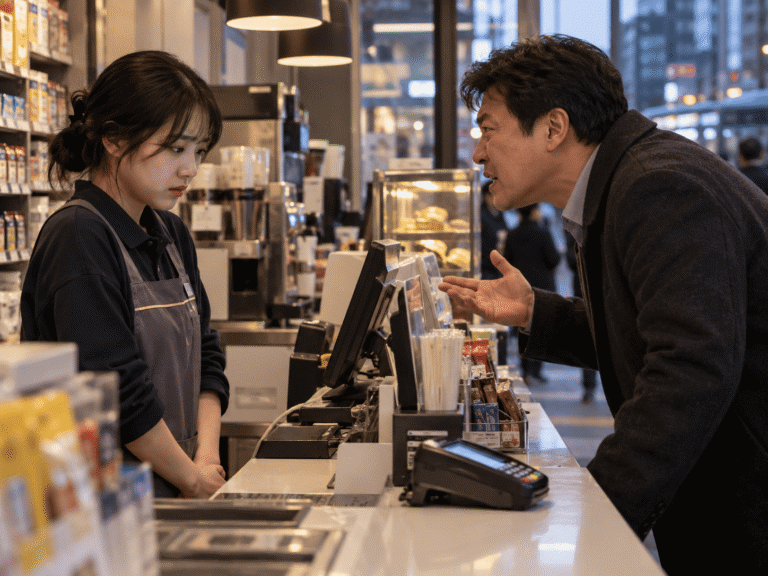
Then there’s the workplace version — the final boss of dapjeongneo. Your manager leans back and says the six most dangerous words in any office: “Feel free to speak your mind.” Everyone at the table understands that this is not an invitation. It’s a quiz with one correct answer, and the answer is whatever the manager already decided last Tuesday. The meeting isn’t a discussion; it’s a group performance of arriving at his conclusion together, ideally with someone else saying it out loud first.
(If that last one felt familiar, congratulations — American offices run on dapjeongneo too. You just never had a word to file the experience under.)

The American Version Is Missing One Ingredient
Americans have “I don’t care, you pick.” Americans have “whatever works!” So what makes the Korean version word-worthy?
The veto round.
In the American script, “you pick” mostly means you actually get to pick. In the dapjeongneo script, “you pick” begins a process of elimination that you don’t control. You’ll propose, they’ll decline, you’ll propose again — and the game continues until you land on the answer that was locked in before you opened your mouth. You’re not choosing. You’re guessing. The freedom is decorative, like the parsley on a plate.
There’s a reason this flourished in Korea specifically. Korean communication runs heavily on indirection — on nunchi, the celebrated Korean art of reading the room so you don’t have to be told anything directly. Dapjeongneo is what happens when someone weaponizes that system for fried chicken.
But here’s the honest part: the situation is universal. Every culture has the friend, the partner, the boss with a pre-decided answer. Korea just did the world a favor and gave the phenomenon a name — the same way German gave us schadenfreude and then everyone realized they’d been feeling it all along.
How to Use It (and How to Survive It)
If you’re learning Korean, dapjeongneo is a fantastic word to deploy — it instantly signals that you understand not just the language but the social physics behind it. Your Korean friends will laugh, partly in delight, partly in guilt.
Usage is simple. When your friend rejects the fourth restaurant suggestion in a row, you sigh and say: “너 답정너지?” — “You’re a dapjeongneo, aren’t you?” That’s it. Watch them protest. Watch them then order the exact thing they’d been thinking of all along.
And if you’re on the receiving end, the survival strategy is the one every Korean quietly masters: skip the maze. When someone says “anything’s fine,” don’t take the words at face value — read the person. What did they eat yesterday? What have they been craving? What are they already scrolling past on the menu app?
In other words, don’t answer the question. Answer the answer.
That’s the whole secret, and honestly, it’s good practice for life in Korea in general — a place where what’s said and what’s meant are two different dialects, and everyone’s fluent in both.
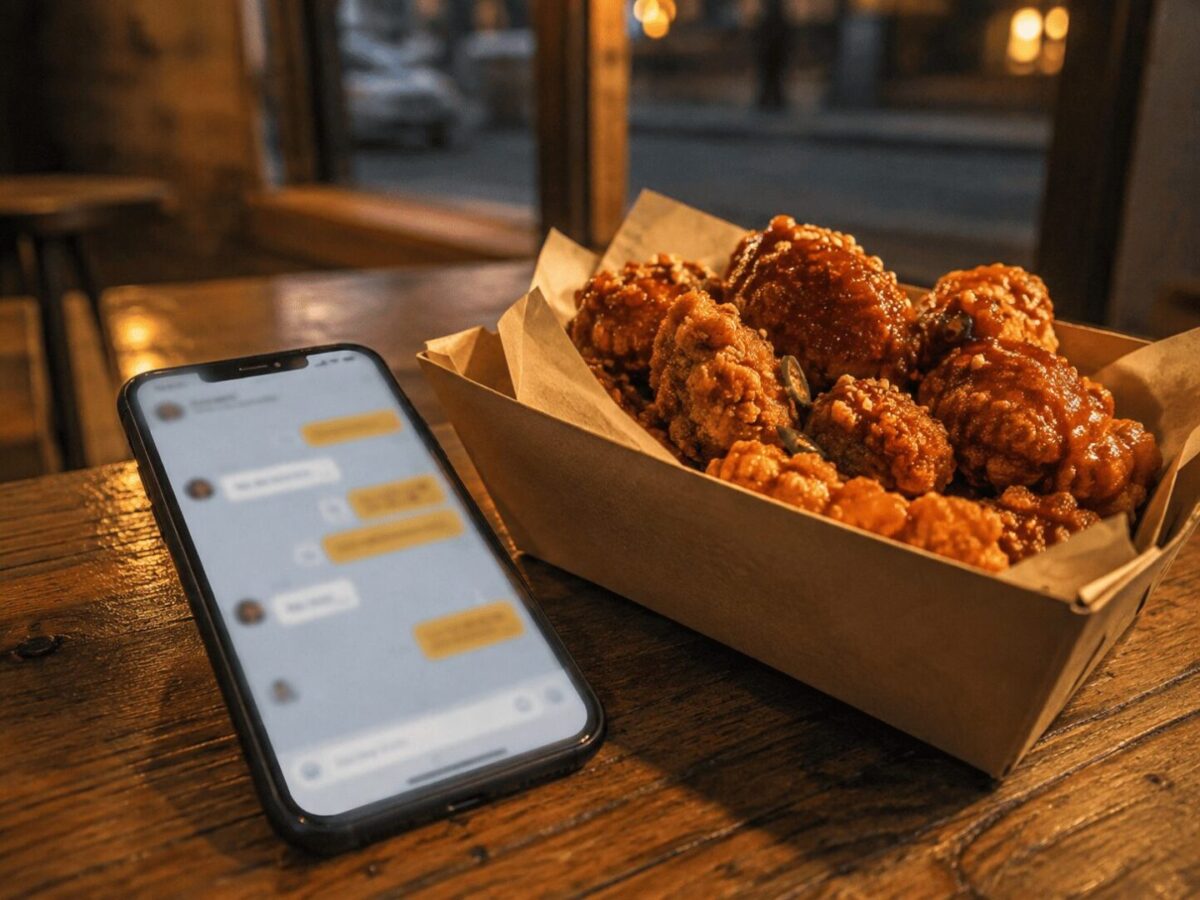
Now if you’ll excuse me, a friend just texted asking where we should eat tonight. She says anything’s fine.
We’re having chicken.
Dapjeongneo (답정너) emerged from Korean online communities in the early 2010s and has since become everyday spoken slang. It abbreviates the sentence “답은 정해져 있고 너는 대답만 하면 돼” — “the answer is already decided; you just have to say it.” It can describe the rigged question, the situation, or the person asking.