Yeonsan-gun: The Story Behind Korea’s Most Infamous King
He is remembered as Korea’s worst tyrant. But the story of Yeonsan-gun begins not with rage — but with a six-year-old boy who was never told the truth about his mother.
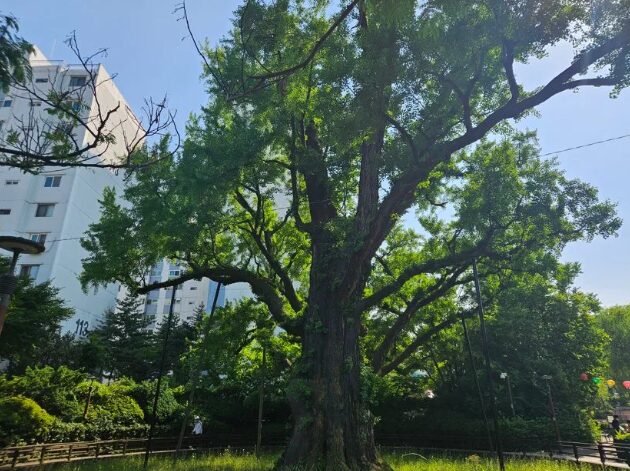
There is a tree in northern Seoul that has been standing for six hundred years.
It grows beside a quiet tomb in the Dobong district — a neighborhood of ordinary apartment buildings, convenience stores, and side streets. Most people who live nearby have never stopped to look at it. Tourists rarely find their way here.
The tree was already old when the man buried beneath it was born. It was old when he became king. It was old when everything fell apart. And it’s still standing now, saying nothing.
His name was Yeonsan-gun. And this is not quite the story you’ve heard about him.
A Boy Who Wasn’t Told the Truth
To understand Yeonsan-gun, you have to start with his mother.
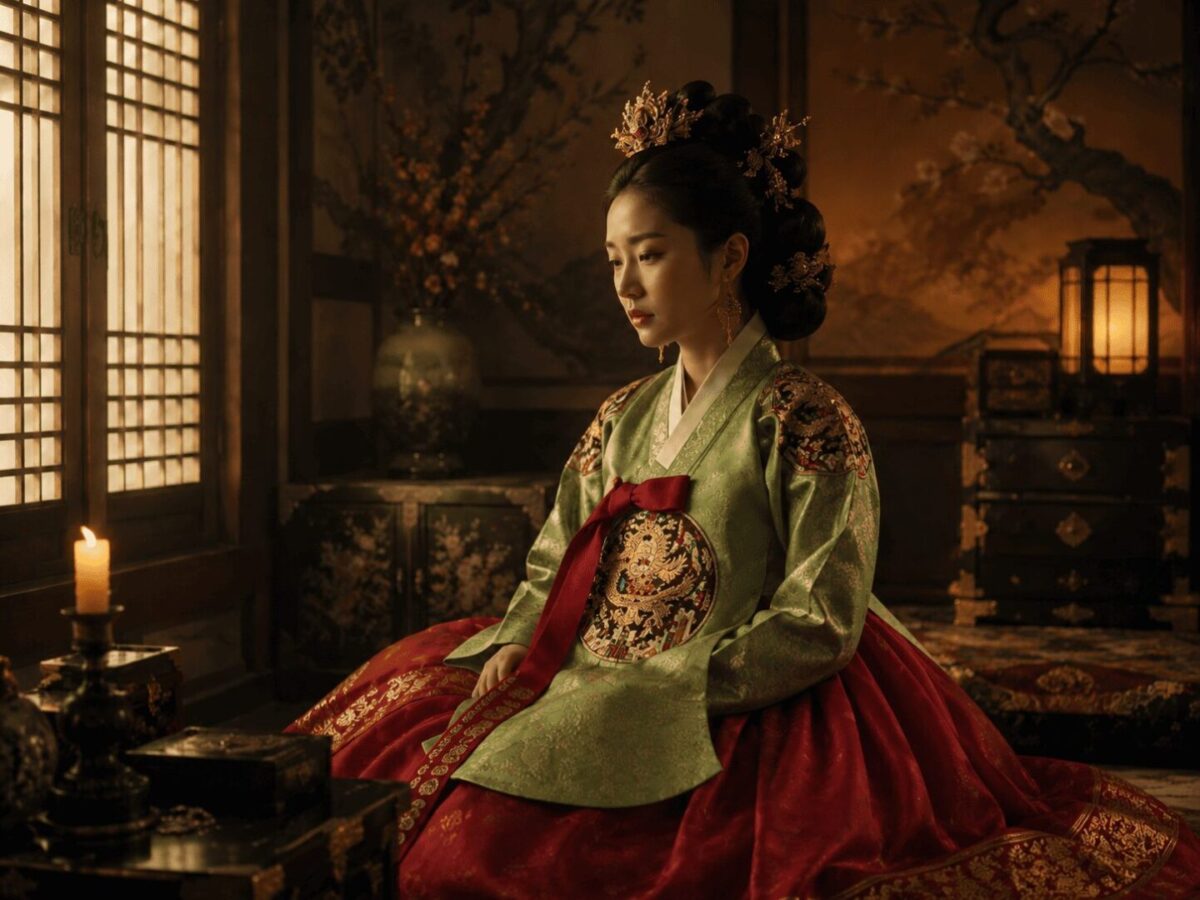
Her name was Lady Yun, and she was the second queen consort of King Seongjong — the ninth king of the Joseon dynasty. She was known to be beautiful, and fiercely temperamental. Inside the walls of the royal palace, she struggled. The king’s attention drifted toward other royal consorts, and Lady Yun could not contain her jealousy.
The incidents accumulated. Then came the one that couldn’t be overlooked: in a moment of rage, Lady Yun scratched the king’s face with her fingernails.
In Joseon Korea, the king’s body was considered sacred. Raising a hand against it — leaving marks on it — was virtually unthinkable. The court erupted. King Seongjong’s mother, Queen Insu, pushed hard for consequences. The pressure mounted from all sides.
In 1479, Lady Yun was stripped of her title and expelled from the palace. Three years later, in 1482, she was ordered to drink poison.
She died coughing up blood. The blood soaked into her clothing — a white garment called a jeoksam. Her mother, watching her daughter die with nothing she could do, took the blood-stained cloth and kept it.
The boy who would become Yeonsan-gun was six years old. No one told him what had really happened. His mother, he was made to understand, had died of illness.
He grew up inside the palace, motherless, surrounded by the rituals and hierarchies of a court that had just killed her.
The King Who Started Unremarkably
Yeonsan-gun became king in 1494, at the age of eighteen.
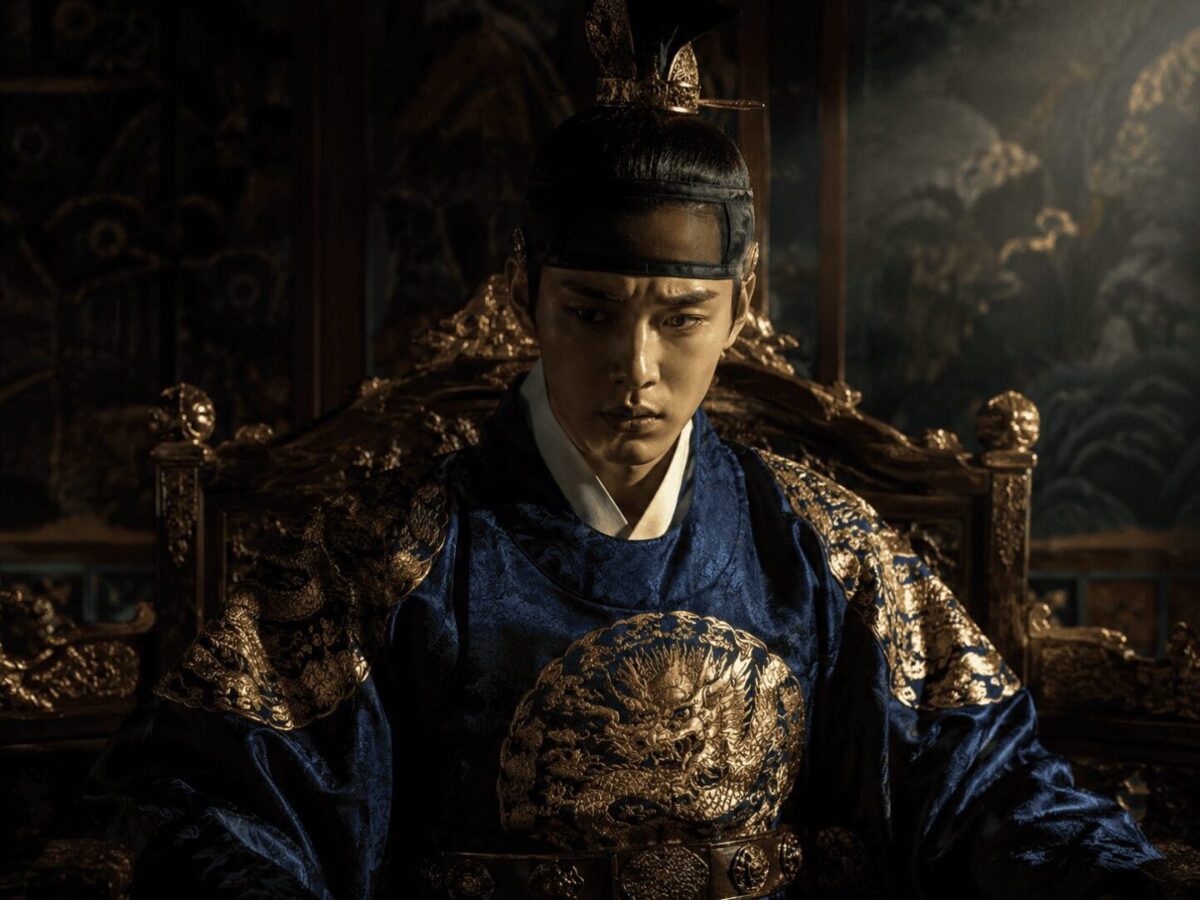
His early reign was, by most accounts, ordinary. He attended to affairs of state. He held court. He was not, in those first years, the figure history would remember.
But the friction was there from the start. Joseon’s political structure was built to constrain royal power — a system of scholars, censors, and advisors whose job was to monitor the king, record his actions, and push back when necessary. For someone with Yeonsan-gun’s temperament, this constant scrutiny felt less like governance and more like surveillance.
In 1498, a dispute over historical records gave him his first opening. A scholar had written critically about the royal family’s ancestors in official court documents. Yeonsan-gun used this as grounds to purge a generation of Confucian scholars — executing some, exiling others. Brutal, but not unprecedented. Kings had done this before.
Then, somewhere in the years that followed, he found out the truth about his mother.
The exact moment isn’t recorded. History doesn’t always preserve the scenes that matter most. But what’s known is this: at some point, Yeonsan-gun learned that his mother had not died of illness. She had been ordered to drink poison. And the people who had pushed for her death — some of them were still alive.
His maternal grandmother came to him. And she brought the jeoksam — the blood-stained cloth that had been kept for over twenty years.
When the Grief Became Something Else
Imagine being handed proof that your mother was killed — and realizing the people responsible have been living comfortably around you your entire life.
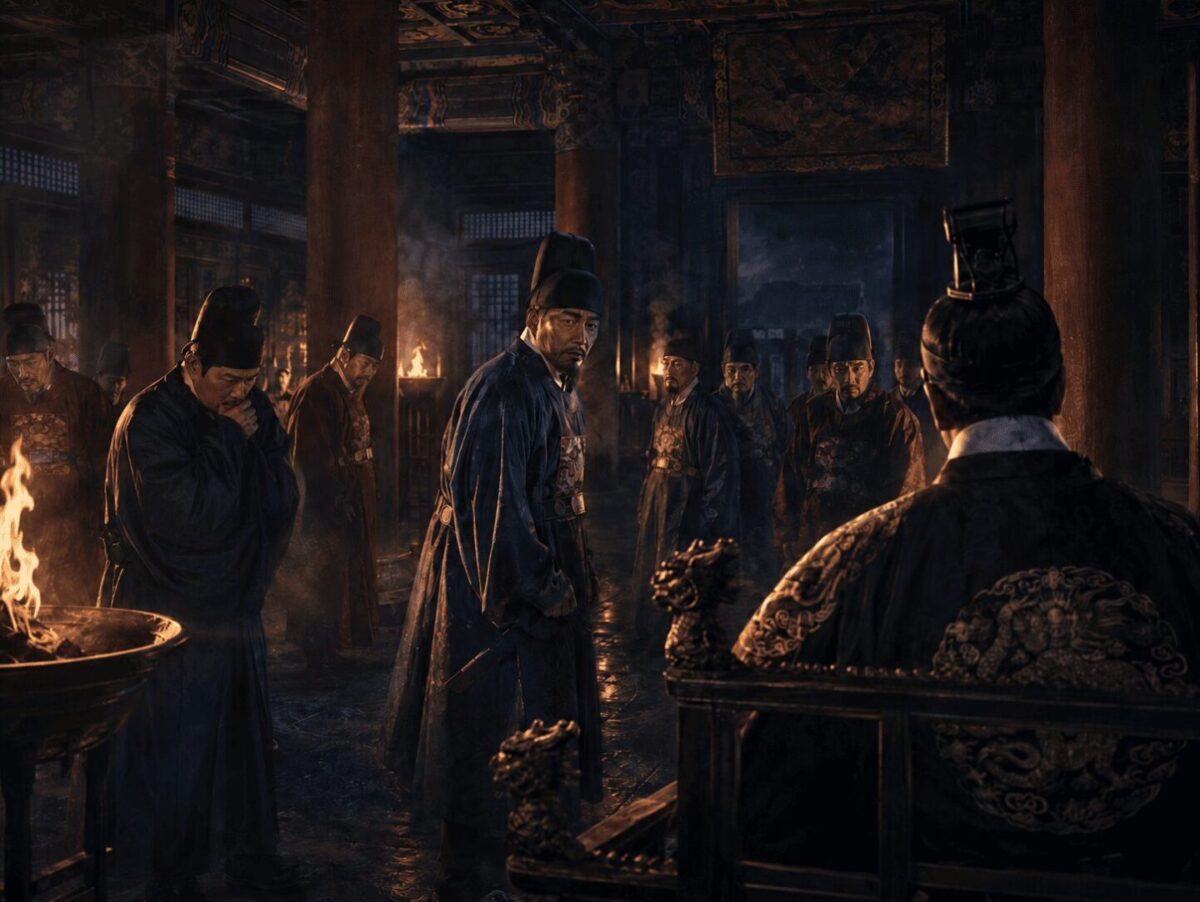
What Yeonsan-gun felt in that moment, we can’t know. What he did next, we can.
In 1504, he launched what historians call the Literati Purge of Gapja — Gapja Sahwa in Korean. It began as a reckoning for his mother’s death and expanded into something far larger.
Officials who had supported Lady Yun’s execution were hunted down. Those already dead were not spared: their graves were opened, their bodies desecrated — a punishment used in Joseon to dishonor even those beyond the reach of the living. Two royal consorts who had played a role in turning the king against Lady Yun were beaten to death. Yeonsan-gun carried out the violence himself.
This is the detail that stops most people. Not the political purge, not the executions of officials — but the image of a king, with his own hands, killing the women he held responsible for his mother’s death. Whatever restraint had existed before was gone.
After that, the constraints of kingship seemed to dissolve for him entirely.
He expelled the students from Sungkyunkwan — the royal Confucian academy, the most prestigious institution of learning in the country, comparable to a national university — and turned it into a venue for his personal entertainment. He seized land near the capital, forcing residents from their homes to create private hunting grounds. When writings mocking him began circulating in the Korean alphabet created by his ancestor King Sejong, he banned the use of the script entirely.
He was dismantling the order of things. Piece by piece.
The Coup, and What Remains
In 1506, a group of officials and military figures staged a coup.
It is tempting to imagine them as principled men who could no longer stand by while their country fell apart. The historical reality is less romantic. Many who led the uprising had prospered under Yeonsan-gun. They moved against him not out of principle, but because the court had become too unpredictable — too dangerous even for those who had once been close to him.
He was deposed. His half-brother was placed on the throne.
Yeonsan-gun was stripped of his royal title and sent into exile on a remote island off the western coast. In Korean history, a king who ruled legitimately receives an honorific suffix after death — jo or jong. A deposed king receives gun, a lesser designation. That is why history remembers him not as a king, but as Yeonsan-gun.
He died in exile two months later. He was thirty-one years old.
The official record says illness. It may have been. A man accustomed to every comfort, suddenly confined to a sparse island with nothing — the body can give out from less. Whatever the cause, the end was fast and quiet, which somehow feels like its own kind of judgment.
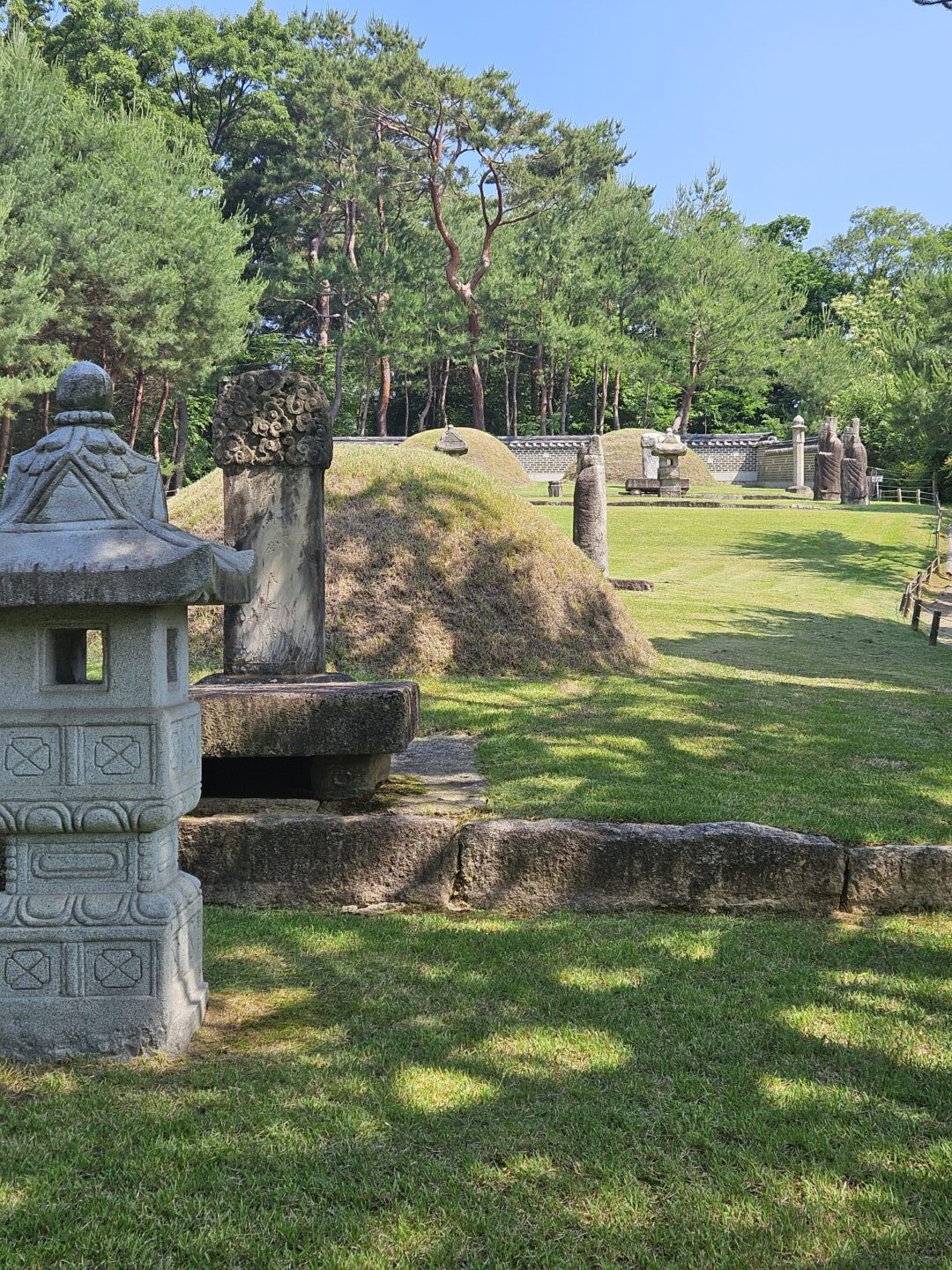
Because he died as a deposed king, he was not given a royal tomb. He was buried without the grand ceremonies and elaborate burial mounds reserved for Joseon’s monarchs. That burial site is now in the Dobong district of Seoul — on a quiet hillside, off a side street most people walk past without a second glance.
He is not there alone.
His queen, Lady Shin, was stripped of her title when he was deposed. She had every reason — social, political, practical — to distance herself from his memory.
She didn’t. When she died, she asked to be buried beside him.
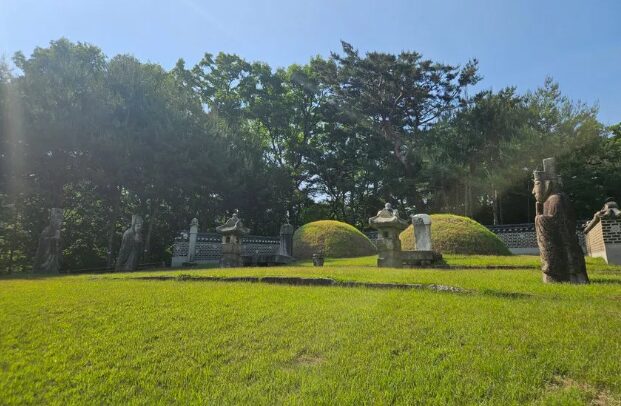
Her tomb sits next to his now, on that quiet hillside in northern Seoul. Two burial mounds, side by side. What she thought of the man she had married — what she made of everything he had done — history doesn’t record. What remains is only the choice she made.
The Tree
The ginkgo tree in front of the tomb is designated a protected tree by the city of Seoul. It has been standing for close to six hundred years.
It was there before Yeonsan-gun was born. It was there when his mother was given poison to drink. It was there when he found out. It was there when he burned through everything around him. It was there when he was taken away and died.
It doesn’t have an opinion about any of this. It’s just still standing.
If you want to see it for yourself — if you want to stand in front of that tree and the two quiet tombs behind it — the site is open to visitors. Almost no one goes.