Why Does Korea Still Call Itself a Tiger, When the Tigers Are Gone?
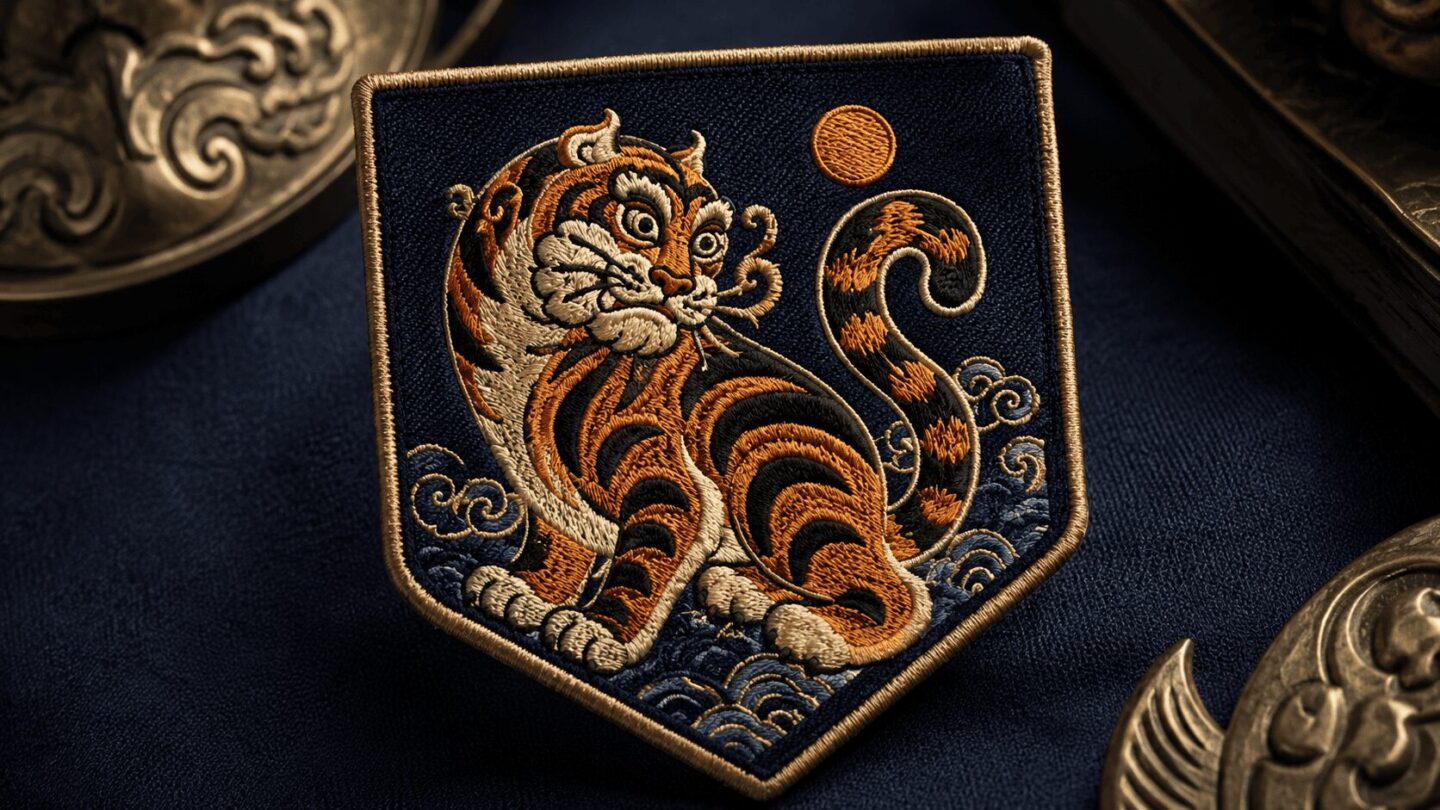
When Seoul hosted the Olympics in 1988, the mascot was a friendly little tiger named Hodori. Thirty years later, when the Winter Games came to Pyeongchang, the mascot was a white tiger named Soohorang. Korea’s national football team plays with a tiger on its crest. A goofy, wide-eyed tiger practically steals the show in one of the biggest animated hits of the past few years — drawn straight from old Korean folk paintings. Ask anyone here what animal represents Korea, and you’ll get the same answer without hesitation.
The tiger. Always the tiger. What almost nobody outside Korea knows is the story behind that loyalty: the Korean tiger extinction, and the century of silence that followed it.
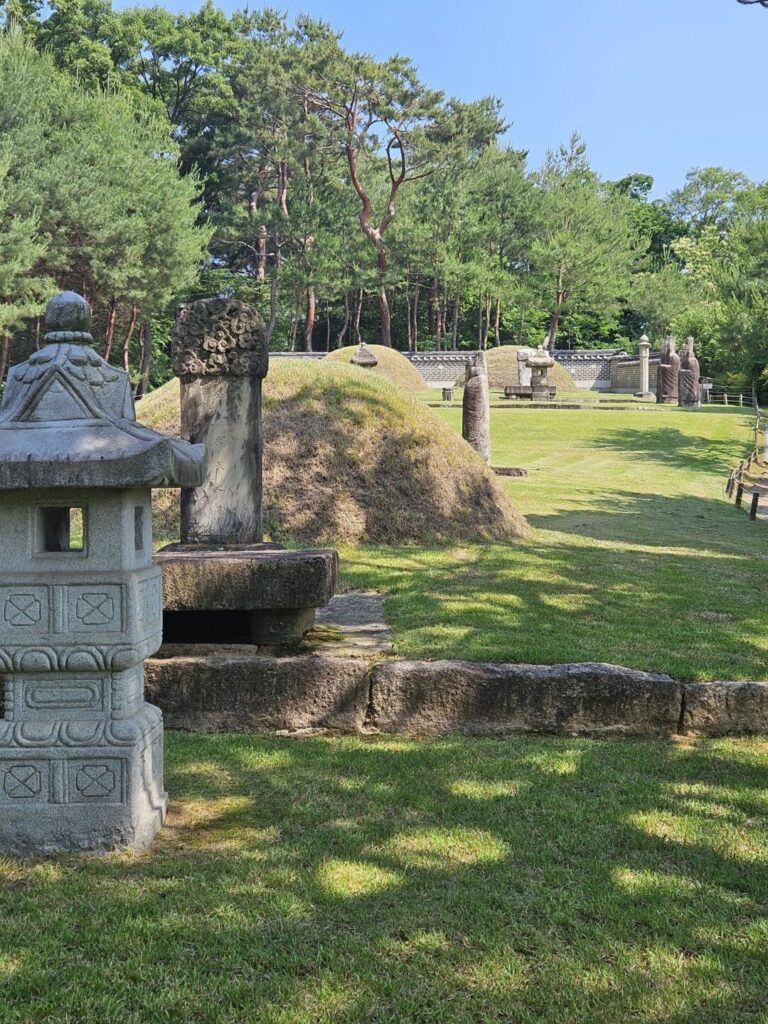
Here’s the strange part. There are no tigers in South Korea. Not one, outside a zoo. The animal most often cited as the last wild tiger killed in the southern half of the peninsula was shot near Gyeongju in 1921 — more than a century ago. A handful of records trickle in from the remote north for another couple of decades, and then, silence.
So a country with no tigers keeps putting tigers on everything, generation after generation. That’s not an accident of branding. To understand why, you have to know the story of the Korean tiger extinction — and it is not a gentle story about shrinking forests. It’s a story about a colonial government, an official policy, and one businessman’s very public hunting party.
The Korean Tiger Extinction Was Not an Accident
When a large predator disappears from a country, the usual suspects are habitat loss, hunting pressure, shrinking prey — slow, diffuse forces with no single author. The Korean tiger extinction was different. It had paperwork.
In 1915, five years into its occupation of Korea, the Japanese colonial government launched an official program with a bureaucratic name: harmful animal eradication. On paper, the goal was public safety — tigers, leopards, wolves, and bears did genuinely kill people and livestock in early twentieth-century Korea, and the government published casualty figures to prove the point.
But the policy had quieter purposes, and historians have documented them. A countryside full of large predators was an inconvenient place to settle Japanese migrants, and the colonial government wanted that settlement to feel safe. There was also the matter of guns. Koreans had been broadly banned from owning firearms — armed Koreans had an inconvenient habit of becoming resistance fighters — so Korean hunters were issued rifles only temporarily, for these sanctioned hunts, under supervision, and then disarmed again. The eradication campaign was, among other things, a way of keeping the peninsula’s best marksmen busy, monitored, and dependent.
The scale was industrial. Colonial records describe mobilizations involving thousands of police officers and gendarmes and more than ninety thousand local villagers pressed into service as beaters — the people who walk through the forest in long lines, driving animals toward the guns. In the first decade of published statistics alone, roughly ninety tigers and over five hundred leopards were recorded killed, and two years of figures are simply missing from the books. By the mid-1920s, tiger kills had slowed to one or two a year. Not because the campaign had softened — because there was almost nothing left to kill.

The Businessman Who Threw a Tiger Hunt
If the government campaign was the machinery, one event in 1917 shows what the machinery meant to the people running it.
That November, a Japanese shipping magnate named Yamamoto Tadasaburo — a man who had made a spectacular fortune during the First World War — organized a private hunting expedition to Korea. He gave it a name: the Jeongho-gun, literally “the Tiger-Conquering Army.” He hired some of Korea’s most famous professional hunters, brought along around 150 local beaters, split the operation into eight teams, and deployed them across the mountains of the peninsula for a month. He also brought nineteen journalists, because the point was never just the hunting. The point was the story.
Yamamoto explained his motive to the press himself: the expedition, he said, was meant to lift the sagging spirits of the young men of the Japanese empire. His team even had a marching song written for the occasion. Its lyrics invoked a samurai who had famously hunted Korean tigers during Japan’s invasion of Korea three centuries earlier, boasted that not even Roosevelt could compare, and ended with a plan: hunt all of Korea’s tigers this year, and Russia’s bears the next.
The expedition killed two tigers, along with leopards, a bear, and assorted other game. What happened next is the part worth sitting with. Yamamoto held a banquet at the Chosun Hotel in Seoul, where colonial officials and prominent figures were served the tigers’ meat. Then he held a second, far larger one at the Imperial Hotel in Tokyo — government ministers and generals among the roughly two thousand guests. There, he told the room that during the invasion of Korea long ago, tigers had been hunted to raise soldiers’ morale — but now, he noted, they could be hunted freely, because the land they lived on was Japanese territory.
One of the two tigers was stuffed and given to his old school in Kyoto. It is still there today.
I’m not going to attach adjectives to any of this. The record speaks clearly enough on its own.
Why the Tiger, Specifically
Here’s the question underneath all of it: of all the animals on the peninsula, why did the tiger carry so much weight — enough that hunting it could be staged as theater?
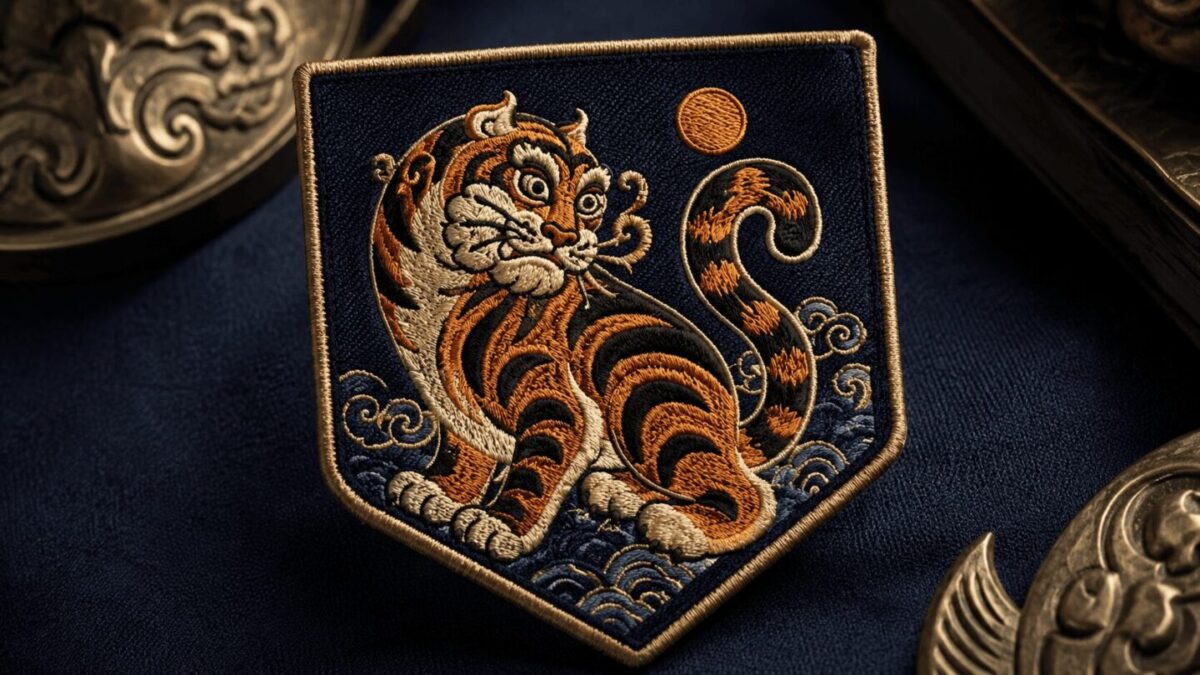
Because by then, the tiger already was Korea, and everyone involved knew it. For centuries, Koreans had lived alongside the tiger as no other people did — it was the enforcer of the mountain god in temple paintings, the guardian hung on gates every New Year to chase off evil, the first character in half the folktales ever told to Korean children, which famously begin: “back when tigers smoked tobacco.” Old Korea was sometimes simply called “the land of tigers.” The animal wasn’t a piece of wildlife. It was the national self-image, walking around on four legs.
Which means you can read the eradication campaign two ways at once, and both are true. It was a wildlife policy with a public-safety rationale. And it was also — in the way it was staged, sung about, and toasted at banquets — a demonstration of who now owned the mountains, made at the expense of the one animal that stood for the people who had lived beneath them.
The Man Who Dug the Story Back Up
For decades after liberation, this history sat mostly unexamined — scattered across colonial gazettes, hunting memoirs, and statistics tables nobody read.
The person who pieced it together was, as it happens, Japanese. A nature writer named Endo Kimio spent six years in the 1980s traveling back and forth to Korea, digging through colonial-era records and interviewing anyone who remembered, trying to answer a simple question: why did Korea’s tigers disappear? The book he published laid out the eradication campaign’s scope in detail, and it’s a large part of why the story is documented as clearly as it is today. Decades later, it was translated into Korean by a tiger-conservation group.
I think that detail belongs in this story, and not as a footnote. The history here is not “Japan versus Korea” as monoliths. It’s a colonial government and a showman with a private army on one side — and on the other, along with everyone else, a Japanese writer who spent six years of his life making sure the record wouldn’t stay buried.
The Answer to the Question
So: why does Korea still call itself a tiger, when the tigers are gone?
Turn the question around. The tiger didn’t fade out of Korean identity for the simplest possible reason — it never got the chance to fade. It was removed, deliberately and visibly, by a power that understood exactly what the animal meant. And when a symbol is taken from you rather than lost by you, something changes in how you hold it. It stops being scenery. It becomes an heirloom.
The generation that watched the mountains go quiet passed the tiger down anyway — in paintings, in stories, in the phrase every grandmother still uses to begin a folktale. Their grandchildren put it on Olympic mascots and football crests. Their great-grandchildren are animating it for global streaming audiences, goofy grin and all, straight out of the old magpie-and-tiger paintings.
There are no tigers left in the mountains of South Korea. There are more tigers in the Korean imagination than there have ever been. Those two facts are not a contradiction. One of them is the reason for the other.

A Note Before You Go
A few quick answers, in case you came here with specific questions.
Why did the Korean tiger go extinct? The immediate cause was the Korean tiger extinction campaign of the colonial era: an official “harmful animal” eradication policy run by the Japanese colonial government from 1915 onward, which mobilized police, professional hunters, and tens of thousands of villagers in organized drives. Roughly ninety tigers were recorded killed in the first decade of statistics alone, and the real total is likely higher, since some years are missing from the records.
When did the last Korean tiger die? The animal most often cited as the last wild tiger in the southern half of the peninsula was shot near Gyeongju in 1921. Scattered records continue in the far north into the 1930s and 1940s, then stop.
Are there any tigers left in Korea today? Not in the wild in South Korea. The Korean tiger belongs to the same population as the Siberian (Amur) tiger, which survives in the Russian Far East and along the China–North Korea border region — so the bloodline itself is not extinct, only gone from the peninsula’s south. You can see Amur tigers in Korean zoos, where they’re treated with a significance somewhere between wildlife and heritage.
What does the tiger symbolize in Korea? Courage, protection, and — since the colonial period — endurance. The tiger was the mountain god’s enforcer and the guardian animal of Korean folk belief long before it became a national emblem. (We’ve told that older story separately, if you want to meet the god he works for.)