Korea Gold Collecting Campaign: Why Millions Handed In Gold
Imagine it’s the winter after the 2008 crash. And instead of waiting for Washington to fix it, millions of Americans line up outside their banks — holding wedding rings, class rings, old trophies, and their grandmother’s jewelry box — to hand the gold over so the country can pay its debts.
That never happened in America. But in South Korea, in the winter of 1998, it did. It’s called the Korea gold collecting campaign, and almost every Korean adult over a certain age can tell you where they were when it happened.
I was a kid at the time. I don’t remember the economics. I remember the TV: line after line of people, every night on the evening news, waiting in the cold to give away their gold.

What Was the Korea Gold Collecting Campaign?
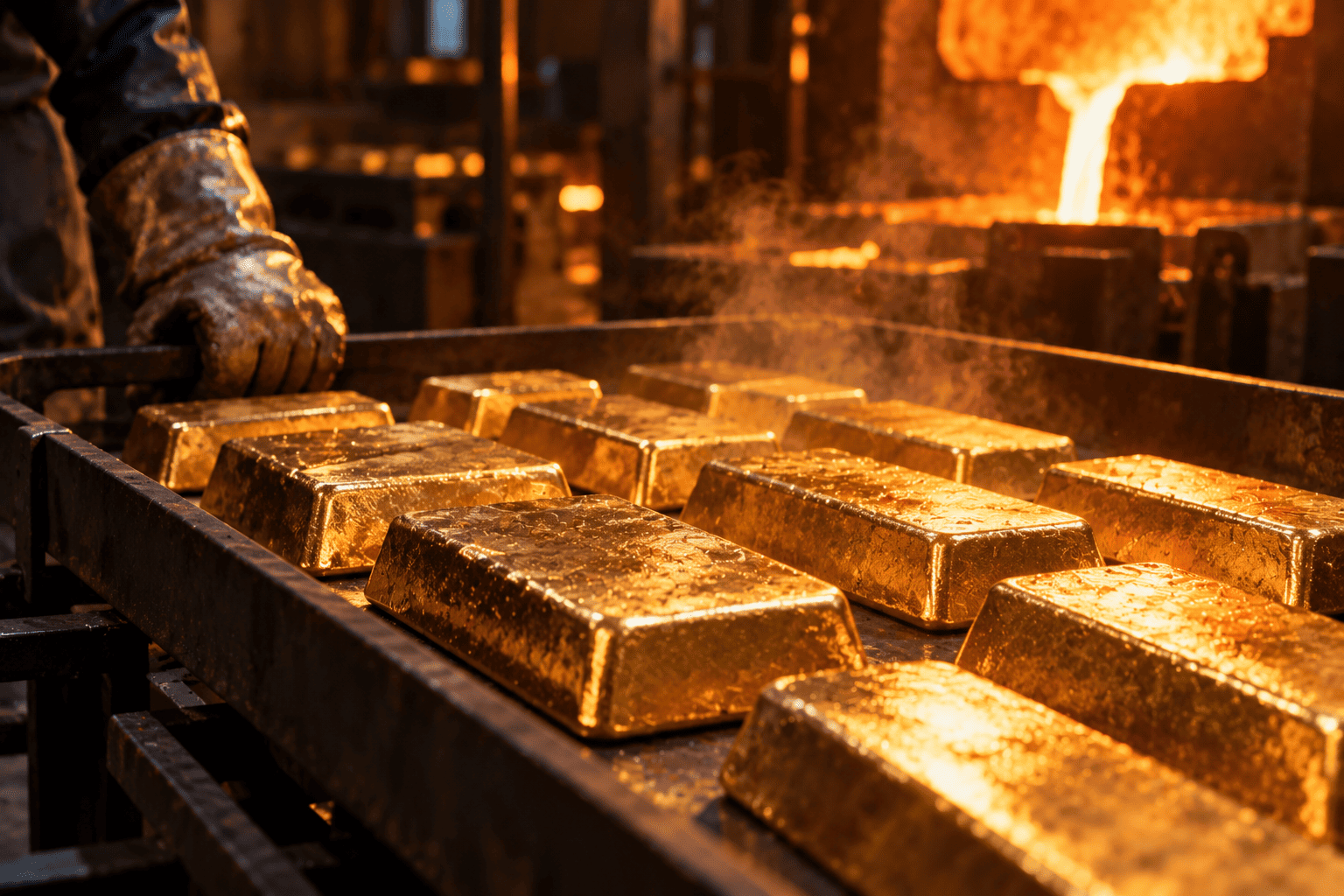
The Korea gold collecting campaign was a nationwide movement in early 1998, during the Asian financial crisis, in which about 3.5 million South Koreans brought their personal gold to banks to help the country through its foreign debt crisis. Over roughly four months, citizens handed in about 227 tons of gold — rings, necklaces, medals, and trophies. Some donated it outright; many more sold it at market price and were paid back in Korean won. The gold was exported and turned into U.S. dollars, the currency the country was running out of.
That’s the short version. Here’s what it actually looked like.
The Day the Dollars Ran Out
Think of a country like a family.
A family can own a house, two cars, and a business, and still go under — if a big bill comes due and there’s no cash in the account.
That’s roughly what happened to South Korea in late 1997. A financial crisis had swept through Asia. Foreign investors pulled their money out. Korean banks and companies owed huge debts in U.S. dollars, and suddenly the dollars weren’t there.
In December 1997, the International Monetary Fund approved a rescue package of nearly $58 billion — at the time, the largest in its history. The money came with tough conditions. Companies collapsed. People lost jobs they thought were for life.
In Korea, “the IMF” stopped being the name of an organization. It became the name of an era. People still say “during the IMF” the way Americans say “during the Depression.”
The Line
The national campaign started on January 5, 1998, run by Korea’s public broadcaster together with the banks.
On the first day alone, people brought in more than 3 tons of gold. Within ten days, a million people had taken part.
The process was simple. You walked into a bank with whatever gold you had. An appraiser checked it, weighed it, and gave you a receipt. Then your gold went into a pile with everyone else’s, to be melted down and sold abroad.
What people brought tells the story.
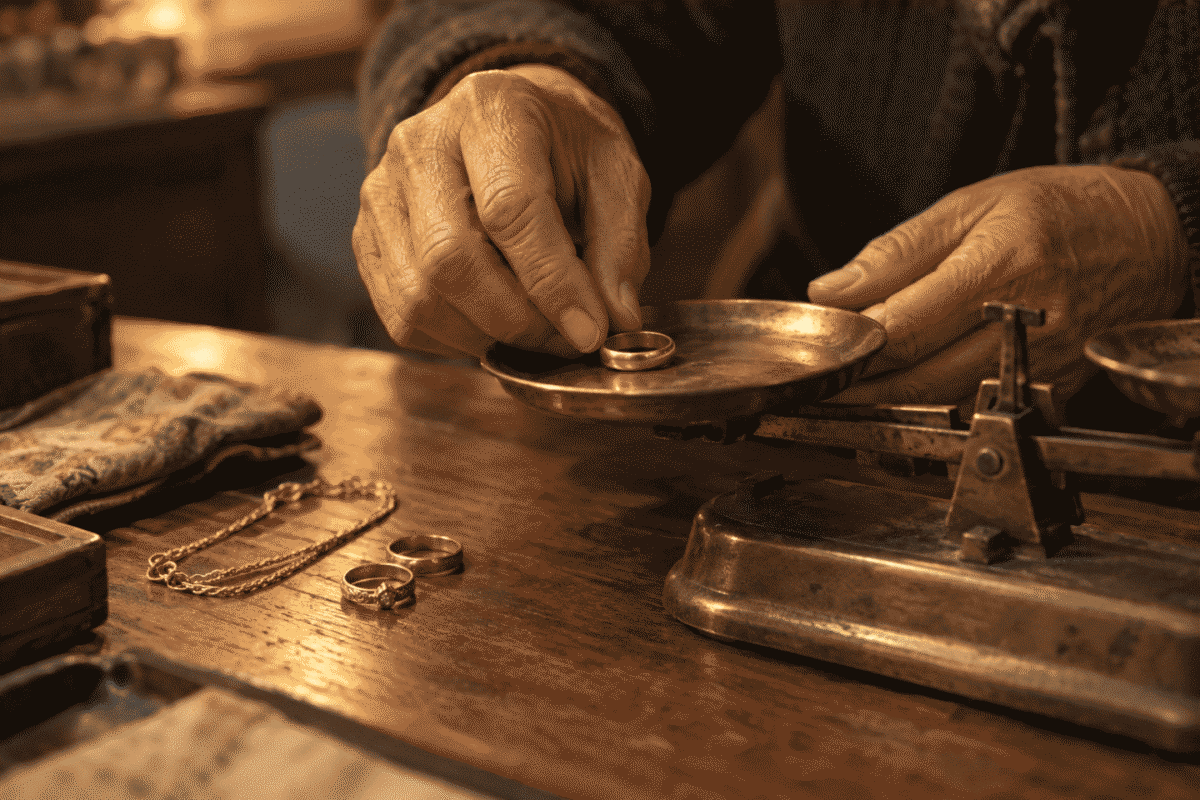
There were wedding rings. A reporter from The Christian Science Monitor met a storekeeper outside Seoul who had given hers to the government. She pointed to her bare ring finger. “Not a drop of oil comes out of our land,” she told him. “It’s patriotic.”
There were trophies. One of the biggest baseball stars in Korea brought in the medals and trophies from his career.
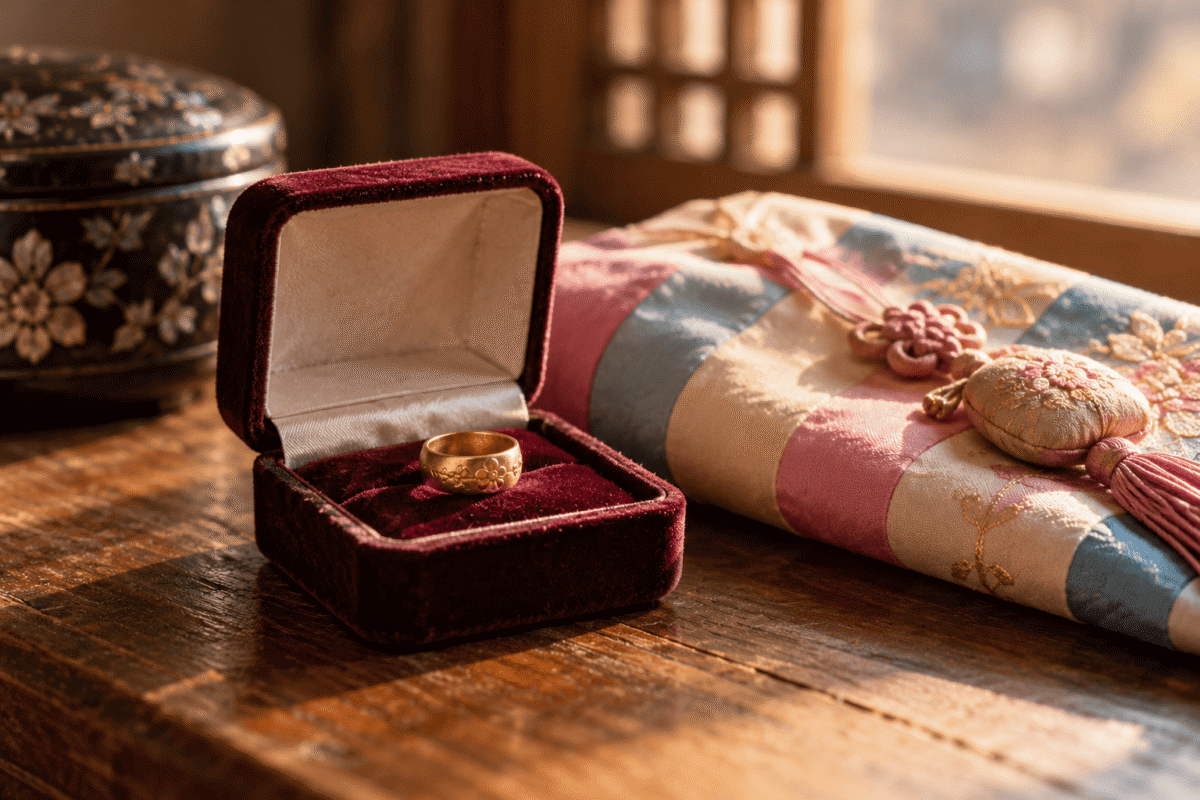
And there were tiny rings — the kind Korean families give a baby on their first birthday. In Korea, gold has long been the gift for life’s big moments: a first birthday, a wedding, a parent’s 60th. So for a lot of families, the gold in the drawer wasn’t an investment. It was a memory. A baby’s first ring. A mother’s wedding band.
They brought those too.
The Math Problem
Here’s the part most feel-good versions of this story leave out.
In the end, about 3.5 million people handed in about 227 tons of gold, worth a little over $2 billion. That sounds huge. But the rescue package was nearly $58 billion. All that gold covered less than 4 percent of it.
The campaign also had its critics. Some companies were accused of selling gold at unfairly low rates or using the campaign to dodge taxes, and some Korean scholars argue that its memory was later used to make people feel the crisis was everyone’s fault, not just the fault of those at the top.
So if the gold didn’t save the economy, why do Koreans still talk about it?
Because the number was never really the point.
In early 1998, a lot of Koreans felt helpless. The crisis came from somewhere far away — markets, banks, foreign investors — and ordinary people had no lever to pull. Standing in that line was the one thing a regular person could actually do.
And the world was watching. Foreign newspapers ran photos of the lines. For a country that had just been told it couldn’t manage its own money, it was a way of saying: we’re not giving up.
What Koreans Remember
South Korea repaid its IMF loans in August 2001, years ahead of schedule.
The gold didn’t do that. Exports, painful reforms, and a lot of lost jobs did. But in Korean memory, the two are tied together anyway. When people tell the story of how Korea got through the crisis, the lines outside the banks are almost always the first image.
Ask Koreans about it today and you’ll get mixed feelings. Pride, mostly. Sometimes a little bitterness — the sense that ordinary families gave up their rings while the people who caused the crisis gave up much less. Both feelings are real, and many Koreans hold them at the same time.
But there’s one thing almost everyone agrees on. When the country was in trouble, people didn’t wait to be asked twice.
Somewhere in Korea, there’s a woman in her seventies who no longer has her wedding ring. And if you asked her about it, she probably wouldn’t call it a loss.

Korea Gold Collecting Campaign: Quick Answers
What was the Korea gold collecting campaign? It was a nationwide movement in early 1998, during the Asian financial crisis, in which about 3.5 million South Koreans brought their personal gold to banks. The gold was exported and converted into U.S. dollars to help the country through its foreign currency shortage.
How much gold did South Korea collect in 1998? About 227 tons, worth a little over $2 billion at the time, collected between January and April 1998.
Did the gold pay off South Korea’s IMF debt? No. The gold covered less than 4 percent of the roughly $58 billion rescue package. Korea repaid its IMF loans in 2001 mainly through exports and economic reform. The campaign is remembered more for its symbolic power than its financial impact.
Did people donate the gold or sell it? Both. Some people donated their gold outright, but many sold it at market price and were paid in Korean won. Either way, the gold left the country as dollars.
Next Read: This wasn’t the only time all of Korea got worked up about the same thing at once. In 1964, the whole country fought over a single exam question — and a piece of candy. → Korean yeot