Gongmin Shrine: A Hidden Spot Minutes from Hongdae
Most people who come to this part of Seoul are headed to Hongdae — the clubs, the cafes, the street performers. Almost none of them know that a short walk away, tucked behind an apartment building on an ordinary residential street, sits the Gongmin shrine — a 600-year-old royal shrine most guidebooks never mention.
And here’s the part that makes it strange: the king honored inside isn’t from the dynasty most tourists have heard of. He’s not Joseon — the dynasty behind Gyeongbokgung Palace, the five-won bills, the K-drama sageuk everyone’s seen. He’s from the dynasty before that one. And the people who built this shrine for him were the very officials who had just overthrown his kingdom.
Quick Context: Which Dynasty Is Which
Korea’s had more than one royal dynasty, and it’s an easy thing to mix up if you’re new to this. Two matter here:
- Goryeo (918–1392) — the earlier kingdom. It’s actually where the English word “Korea” comes from.
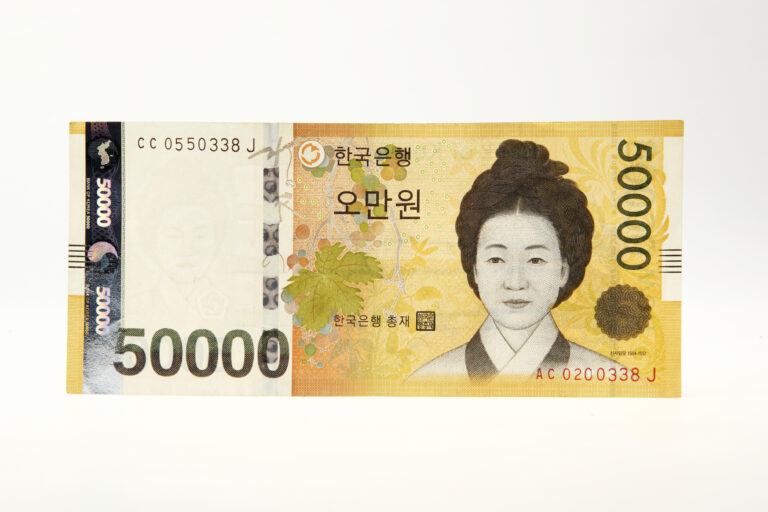
- Joseon (1392–1897) — the dynasty that replaced Goryeo, and the one most K-dramas, palaces, and banknote portraits come from.
Think of them the way you’d think of two entirely different royal houses ruling the same country, centuries apart. King Gongmin, the man honored in this shrine, was a Goryeo king — meaning he ruled the kingdom that came before Joseon, the one Joseon’s founders overthrew to take power in the first place.
If you’re looking for the kind of Seoul most visitors never find, this is it.
Who Is Enshrined Here
King Gongmin ruled Goryeo in the 14th century, at a time when the kingdom had spent decades under Mongol domination. He’s remembered as the king who tried to break that grip — reclaiming territory, purging pro-Mongol nobility, and pushing genuine reform. He was also, by most accounts, deeply devoted to his wife, a Mongol-born princess, in a marriage that started as diplomacy and became something else. When she died in childbirth, he reportedly never fully recovered — and a few years later, he was assassinated by his own bodyguards.
His full story — the reform, the marriage, the unraveling — is a chapter on its own. What matters here is what happened almost two centuries after his death, in a Joseon neighborhood that had nothing to do with him at all.
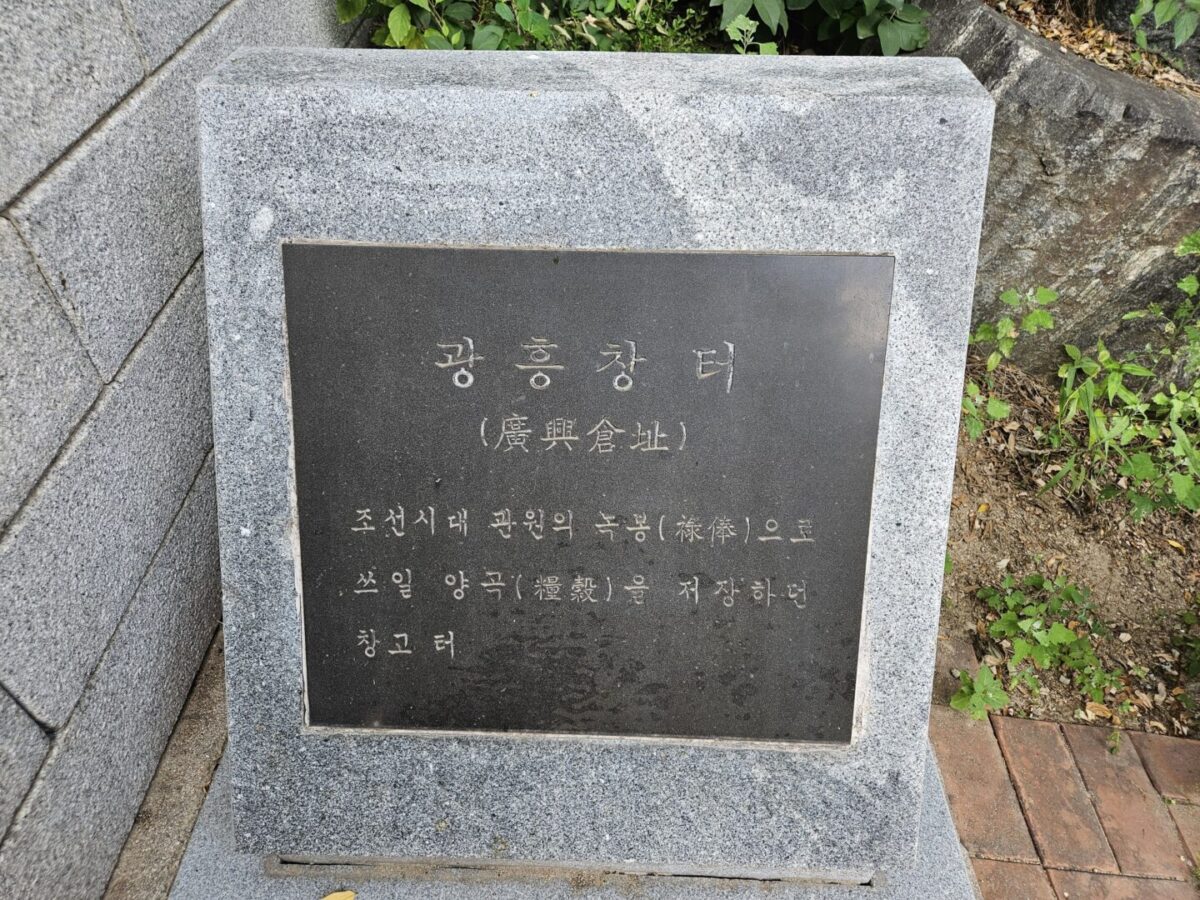
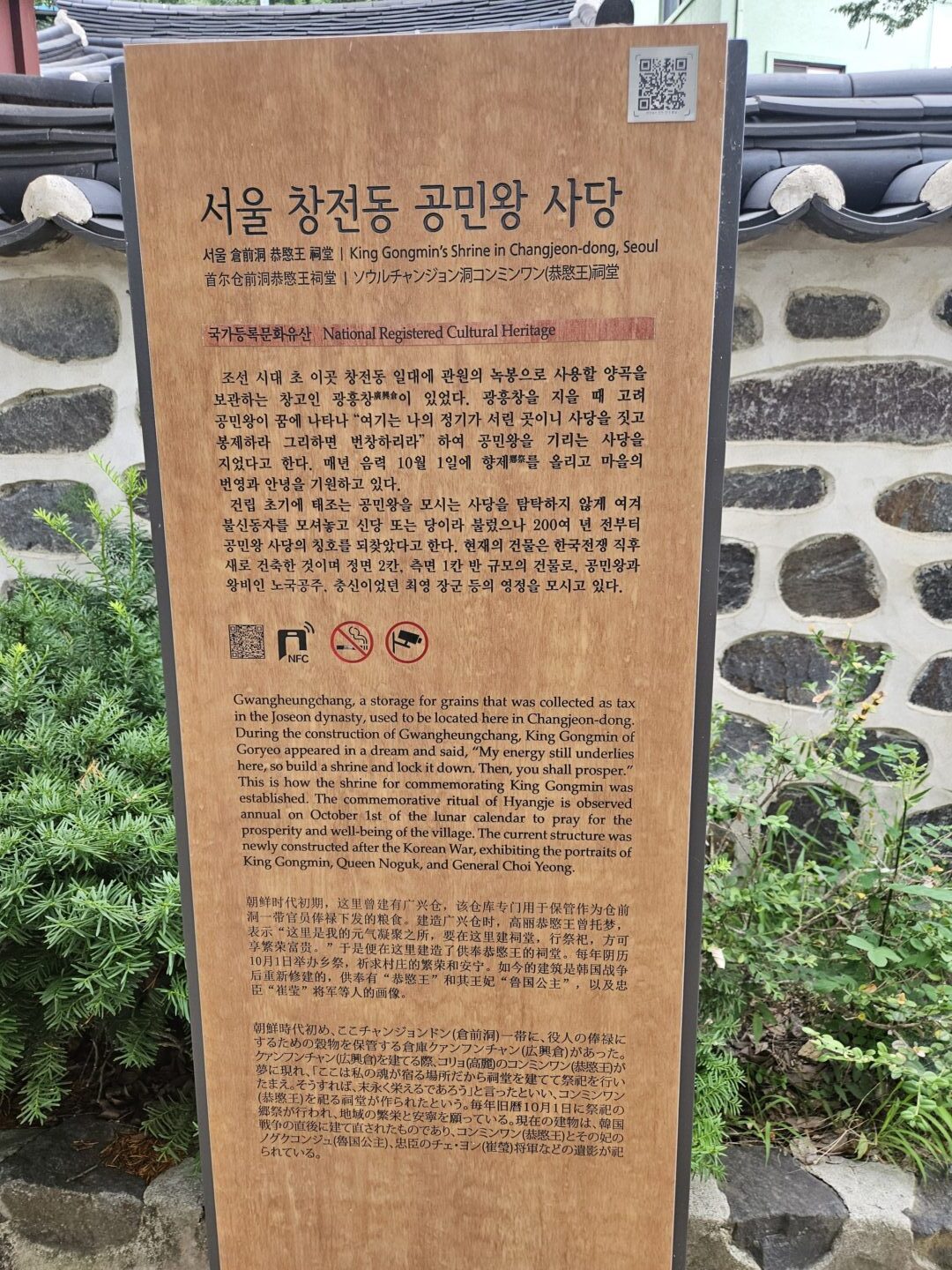
The shrine’s official marker, in Korean, English, Chinese, and Japanese — the full legend, laid out for anyone willing to stop and read it.
In the early Joseon period, this spot was the site of Gwangheungchang — a government granary where grain used to pay official salaries was stored. According to the story passed down with the site, King Gongmin appeared in a dream to the man overseeing the granary’s construction and said, in effect: this ground holds my spirit — build a shrine here, and you will prosper.
So they built one. For a dynasty that had just replaced Goryeo, honoring one of its kings was awkward enough that Joseon’s founding king, Taejo, reportedly refused to formally recognize it at first — the shrine was quietly kept under a vaguer name for years before it was allowed to be called what it actually was: a shrine to King Gongmin.
It’s a strange kind of compromise: a new dynasty, unwilling to anger the ghost of the old one badly enough to tear the shrine down, but unwilling to admit what it was, either.
Inside the Gongmin Shrine Grounds
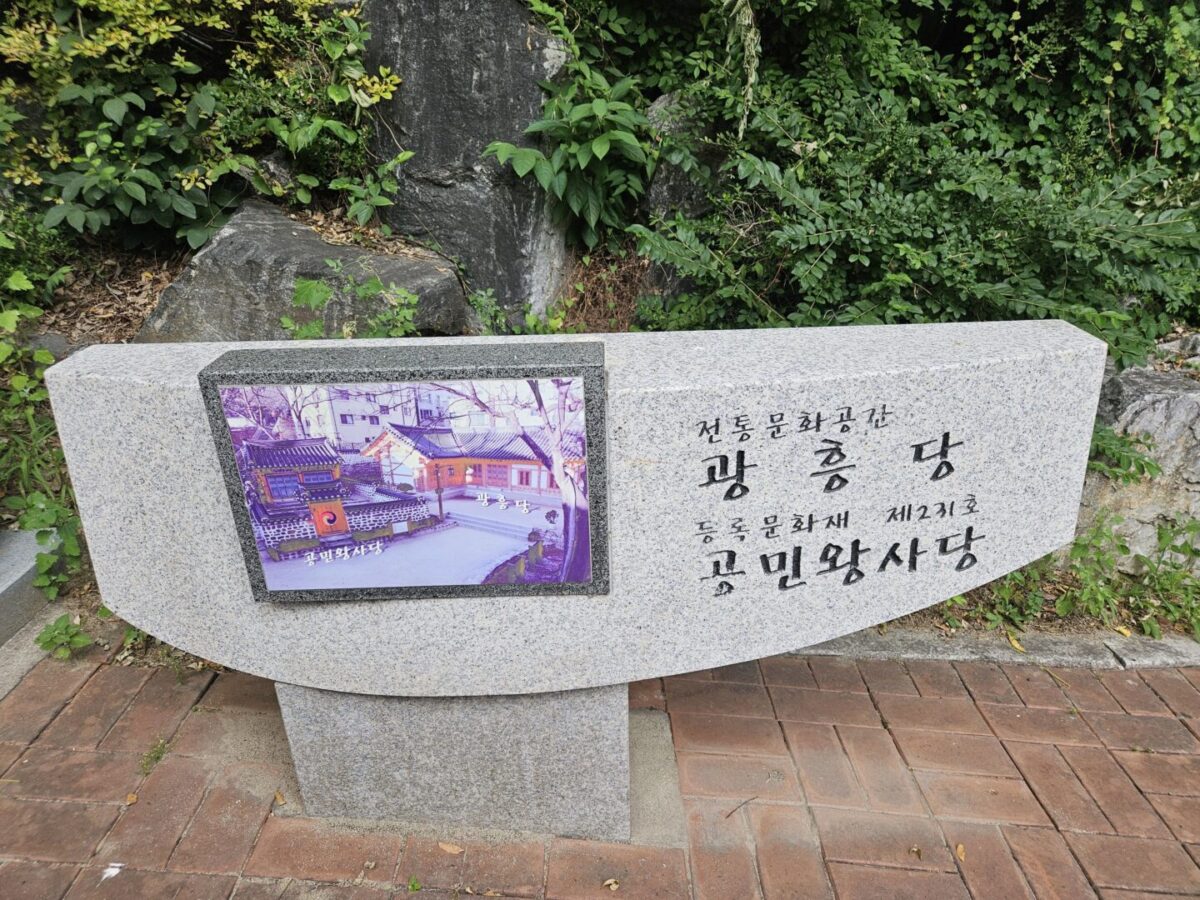
The marker at the base of the steps, naming both buildings on the site: Gwangheungdang and King Gongmin’s Shrine.
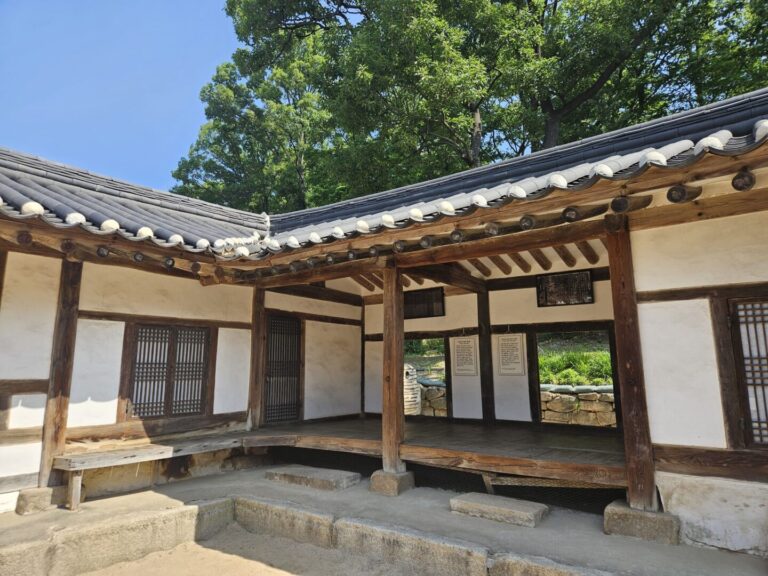
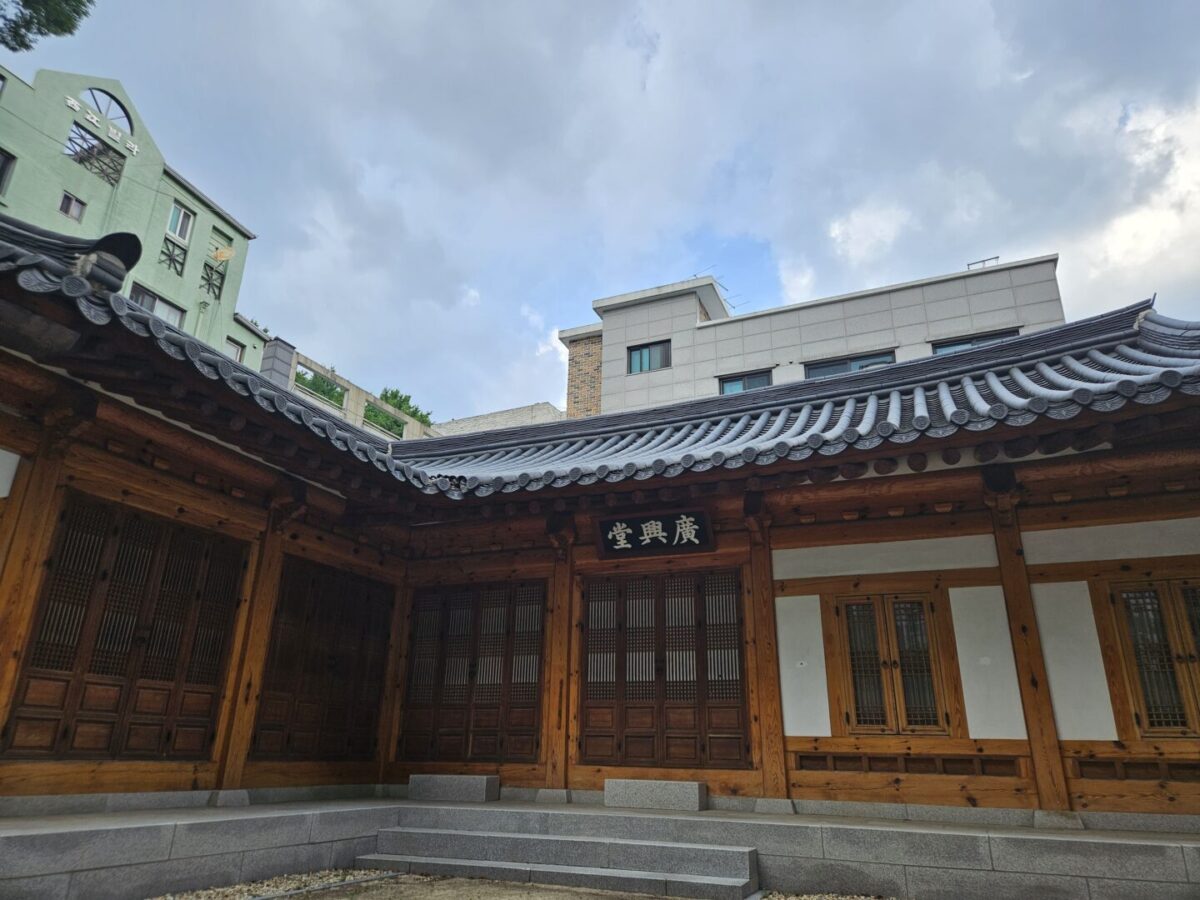
Climb the stone steps past the colorful lanterns strung overhead, and you’ll find two buildings sharing the same small compound. The shrine itself is modest — a single-room structure holding portraits of King Gongmin, his wife Queen Noguk, and the loyal general Choi Yeong. It’s not large, and it’s not trying to be. What’s notable is simply that it’s still here, still maintained, still treated as something worth protecting.
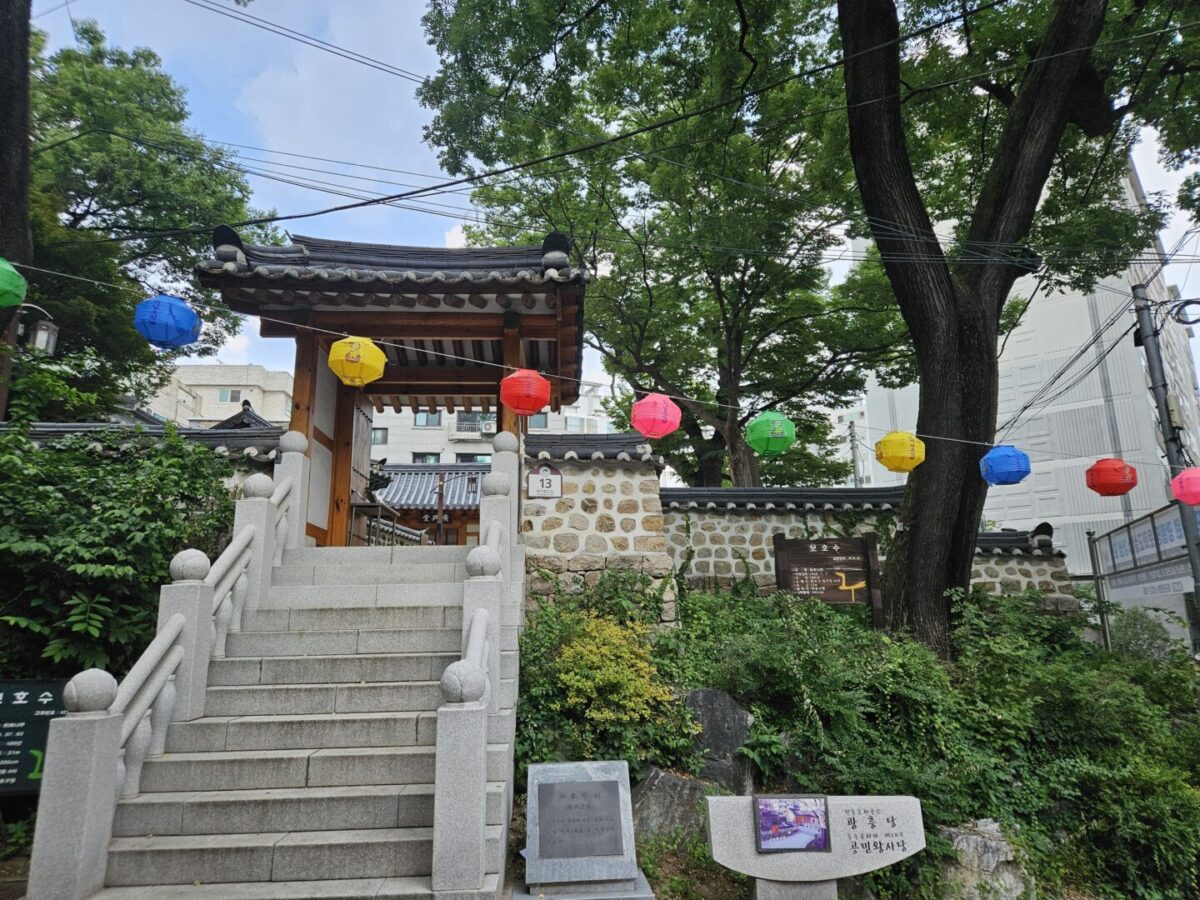
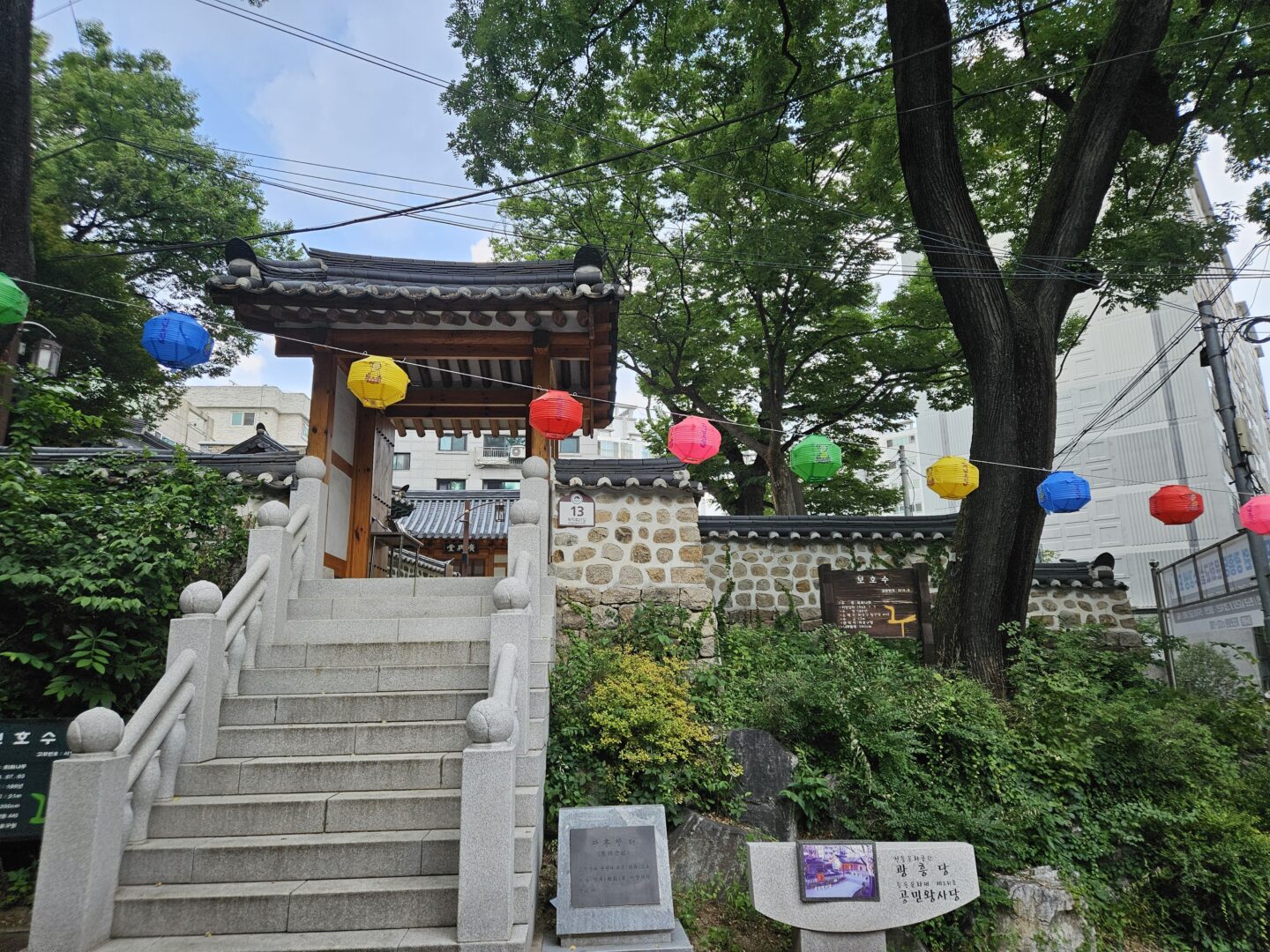
The steps up to the shrine, strung with lanterns — easy to miss unless you already know to look for them.
Beside it stands Gwangheungdang, a separate hanok building now used by the Mapo Cultural Center for community programs — calligraphy classes, traditional coming-of-age ceremonies, folk music performances. It’s a small, practical afterlife for a site that could easily have been left to quietly fall apart: instead of becoming a sealed-off relic, it became a place where the neighborhood still shows up.
A Ritual That Still Happens
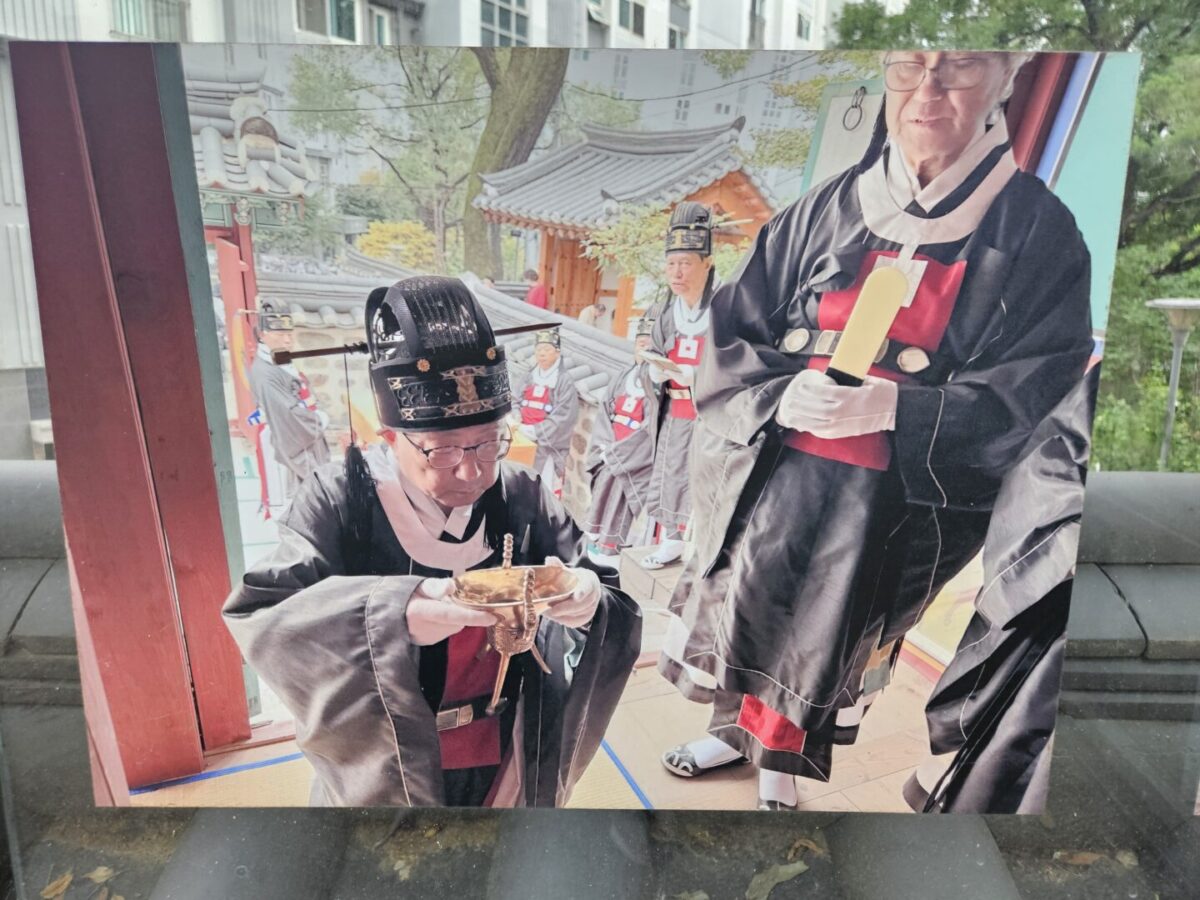
Officiants bow before the shrine during the annual memorial rite, dressed in traditional ceremonial attire.
Every year, on the first day of the tenth lunar month, this quiet corner of Mapo gets considerably less quiet. Local officials and residents gather in formal Confucian ceremonial dress to perform hyangje — a memorial rite for King Gongmin — praying for the prosperity and safety of the neighborhood.
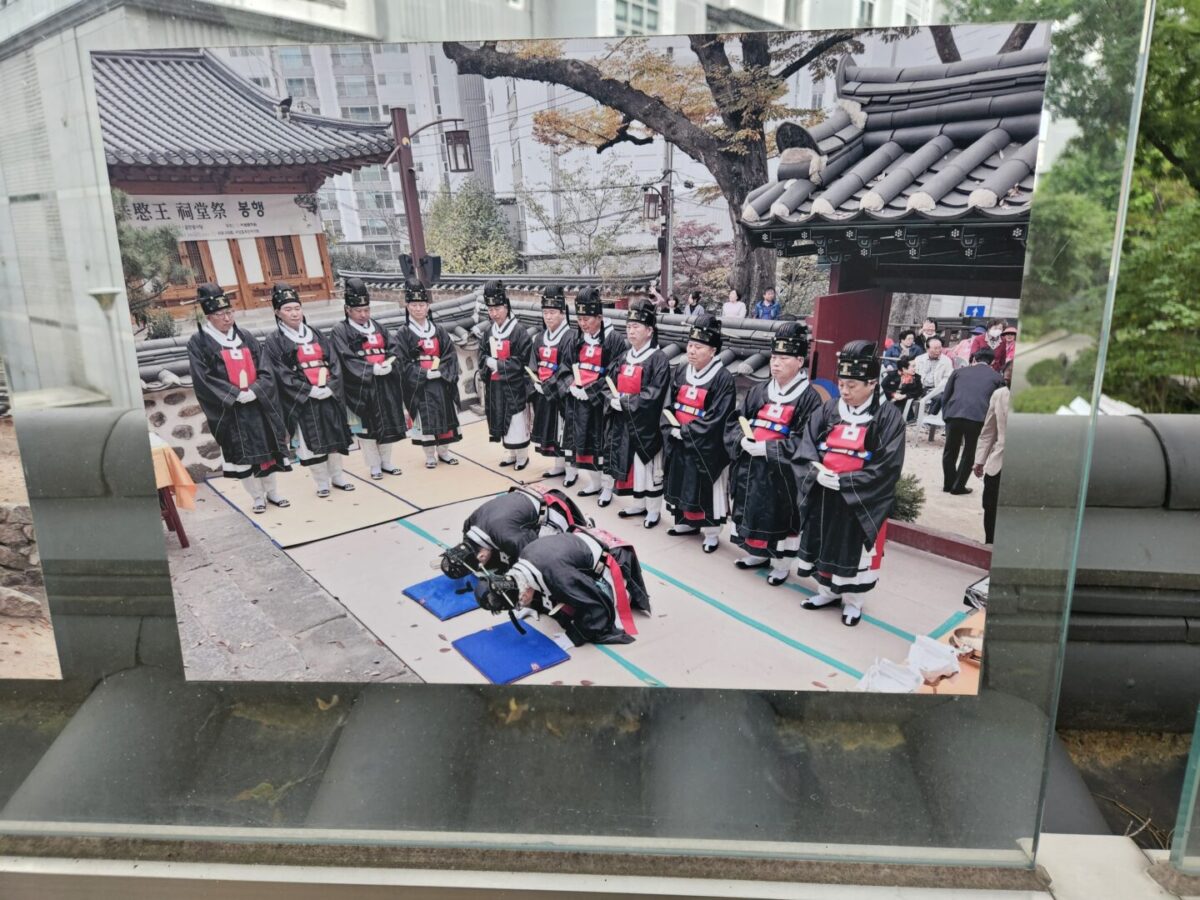
The ceremony draws a full lineup of officiants — a tradition that has continued, largely unchanged, for centuries.
It’s easy to assume a 600-year-old shrine tucked behind an apartment building is a dead site — something preserved rather than practiced. This ritual is the reminder that it isn’t. Once a year, a dynasty that no longer exists still gets a formal, sword-and-robes ceremony, performed by people whose own ancestors weren’t even born under the kingdom Gongmin ruled.
A Place That Almost No One Notices
Stand at the bottom of the steps for a moment and look around. Apartment buildings rise on every side. A convenience store sign is visible through the trees. This is one of the most ordinary-looking residential blocks in Mapo — the kind of street you’d walk down on your way to buy groceries, not the kind you’d expect to lead to a royal shrine.
That contrast is the whole point. There’s no admission booth, no gift shop, no tour groups. Most days, it’s just a quiet hanok compound that a handful of neighborhood residents walk past without looking up. For one day a year, it briefly becomes something else entirely.
It’s not the only quiet royal site hiding in plain sight around Seoul, either — Yeonsan-gun’s tomb, tucked into an ordinary Dobong-gu neighborhood, is another one most visitors walk right past.
Visitor Information
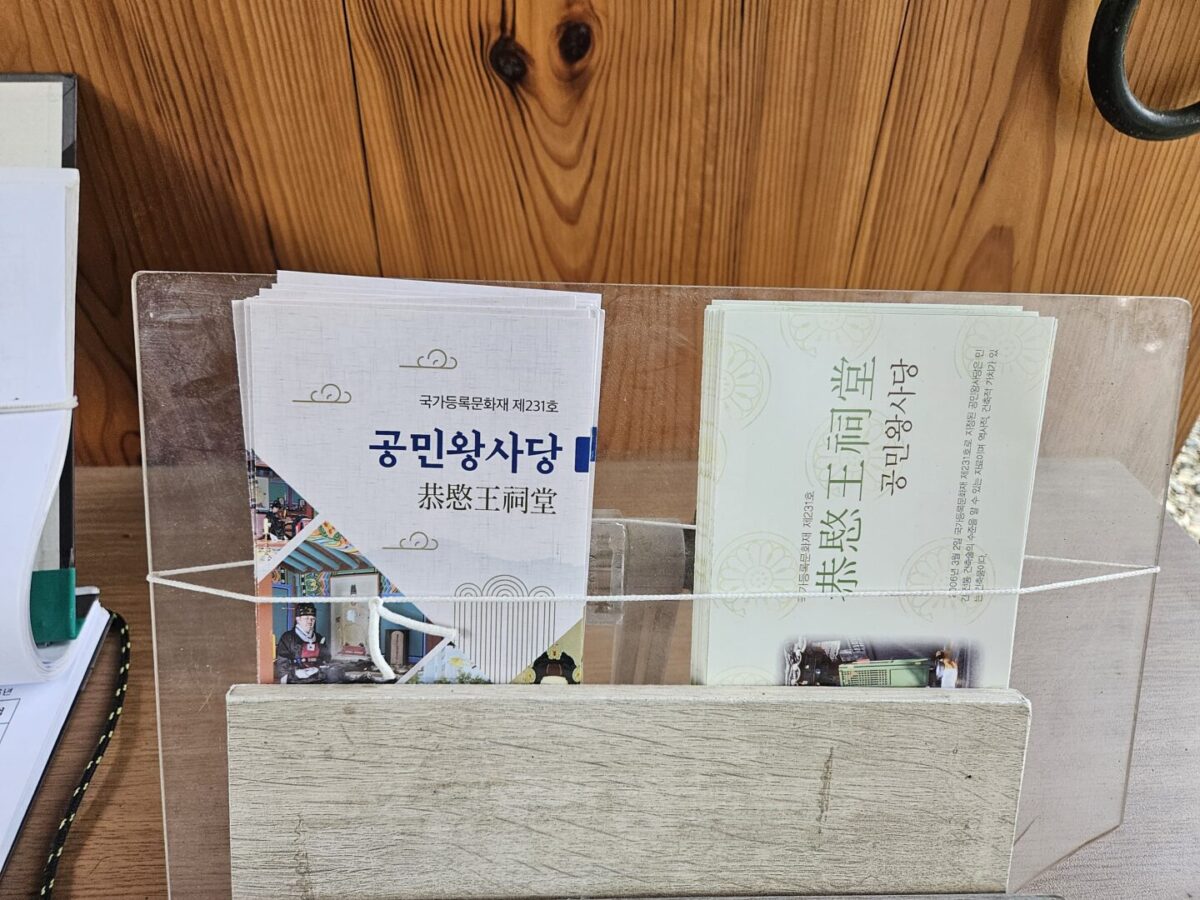
Free pamphlets about the shrine’s history are available at Gwangheungdang, in both Korean and English.
Address: 15 Dokmak-ro 21-gil, Mapo-gu, Seoul (서울 마포구 독막로21길 15, 창전동)
Admission: Free
Getting There (from Hongik Univ. Station or Seoul Station)
Step 1 — Subway: Take Line 6 to Gwangheungchang Station (광흥창역). If coming from Hongik Univ. Station, it’s a short ride; from Seoul Station, transfer is required — allow about 30–40 minutes total.
Step 2 — Walk: Exit at Exit 1 and walk toward Seogang Elementary School. It’s roughly 400 meters, about a 5-minute walk.
How long to spend: 15–20 minutes is enough to see the shrine grounds and read the signage. If you happen to visit on the first day of the tenth lunar month, the memorial ceremony is worth staying longer for.
Best time to visit: Any weekday, for the quiet version of this place. If your travel dates happen to align with the annual hyangje rite, that’s the version worth planning around.
A note on hours: This isn’t a ticketed heritage site with posted opening and closing times — it’s a small, unstaffed neighborhood shrine and community hall. The exterior and courtyard are visible from the street at most hours; the interior building’s availability depends on whatever community program is running that day.
Official site: Mapo Cultural Center (마포문화원)
Before You Leave
Look back at the shrine once more before you head back down the steps.
Joseon didn’t have to keep this place. A new dynasty rewriting the story of the one it replaced is not exactly unusual — most conquerors would have let a shrine like this quietly disappear, or torn it down outright to make a point. Instead, for six hundred years, through a change of ruling dynasty and the complete rebuilding of the city around it, someone kept showing up to look after a dead king who wasn’t even theirs to honor.
The apartment towers surrounding it were built decades ago. The shrine doesn’t appear to have minded.