Chuseok: What Korean Thanksgiving Is Really Like
Every Chuseok, my family drives to my grandma’s house. Which sounds completely normal — until you know that in Korea, that’s not where you’re supposed to go.
Korean holidays traditionally run through the father’s side of the family. That’s where the big gathering happens, that’s whose ancestors get honored first. But my father’s side passed away long ago — so we hold our ancestral rite at home, just the few of us, and then drive to my mother’s mother.
I didn’t realize how unusual that was until I got older. And honestly, that small difference taught me more about what Korean Thanksgiving actually is — and what it’s quietly becoming — than any textbook ever did.
So What Is Chuseok? (The Two-Minute Version)
If you know American Thanksgiving, you already understand about 70% of Korean Thanksgiving.
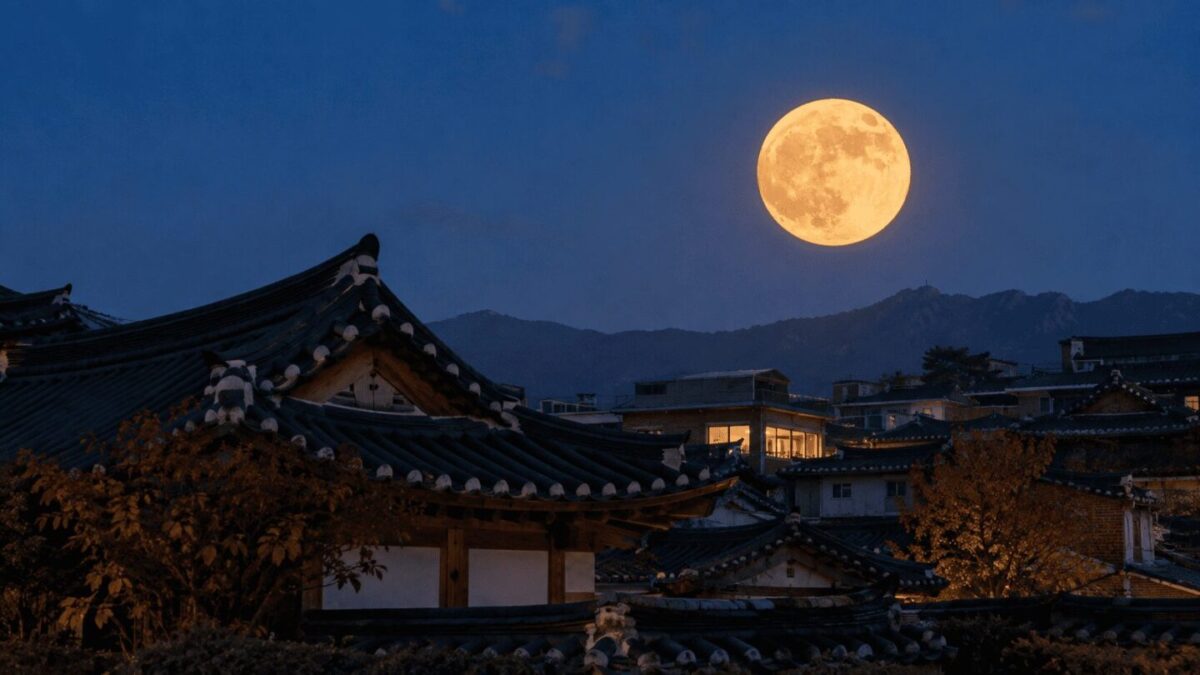
Chuseok (추석) falls on the 15th day of the 8th lunar month — the night of the full harvest moon, usually late September or early October. Like Thanksgiving, it’s a harvest festival. Like Thanksgiving, the entire country migrates at once, and the highways turn into parking lots. Like Thanksgiving, there’s a table that takes all day to prepare and about twenty minutes to demolish.
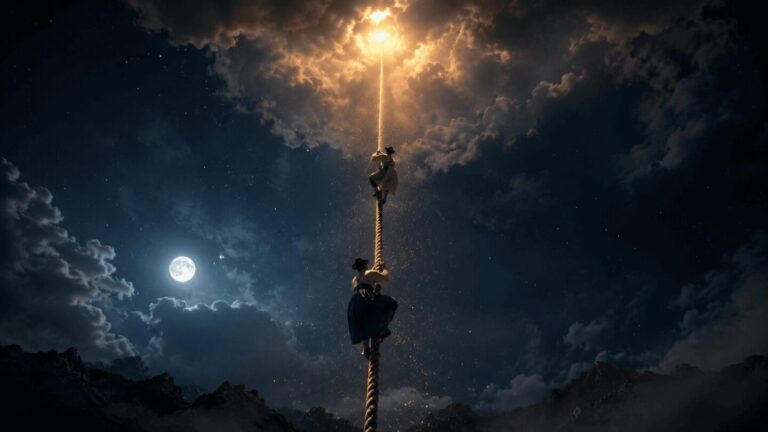
The roots go back more than a thousand years — legend says it began as a royal weaving contest in an ancient Korean kingdom, where the losing team had to cook a feast for the winners. Which means Korean Thanksgiving may have literally started as a competition over who owed whom dinner. Some things never change.
The other 30% is where it gets interesting. Thanksgiving looks forward — gratitude for the harvest, football, planning Black Friday. Chuseok looks backward. The heart of the holiday isn’t the meal itself. It’s who the meal is for.
And the guests of honor are no longer alive.
The Day Itself: Ancestors Eat First
A Korean Thanksgiving morning starts with a meal nobody at the table will touch.
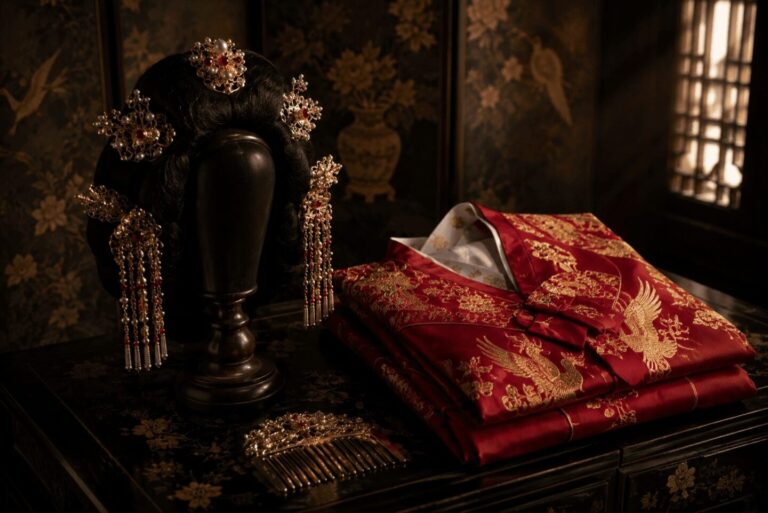
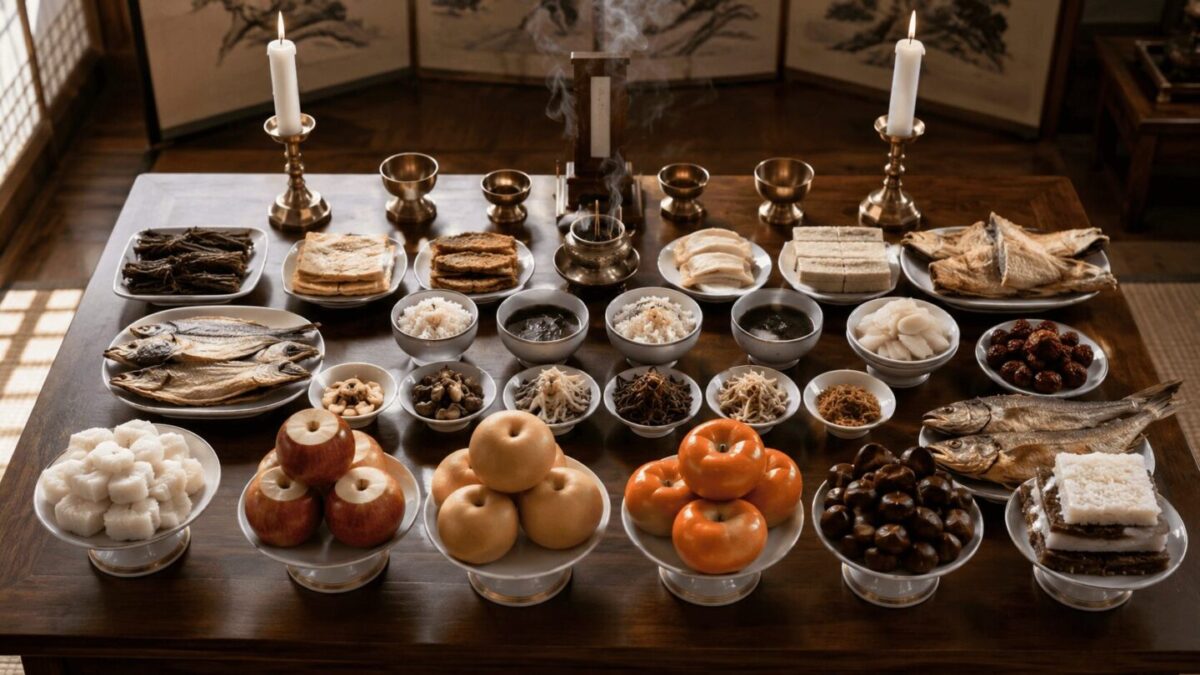
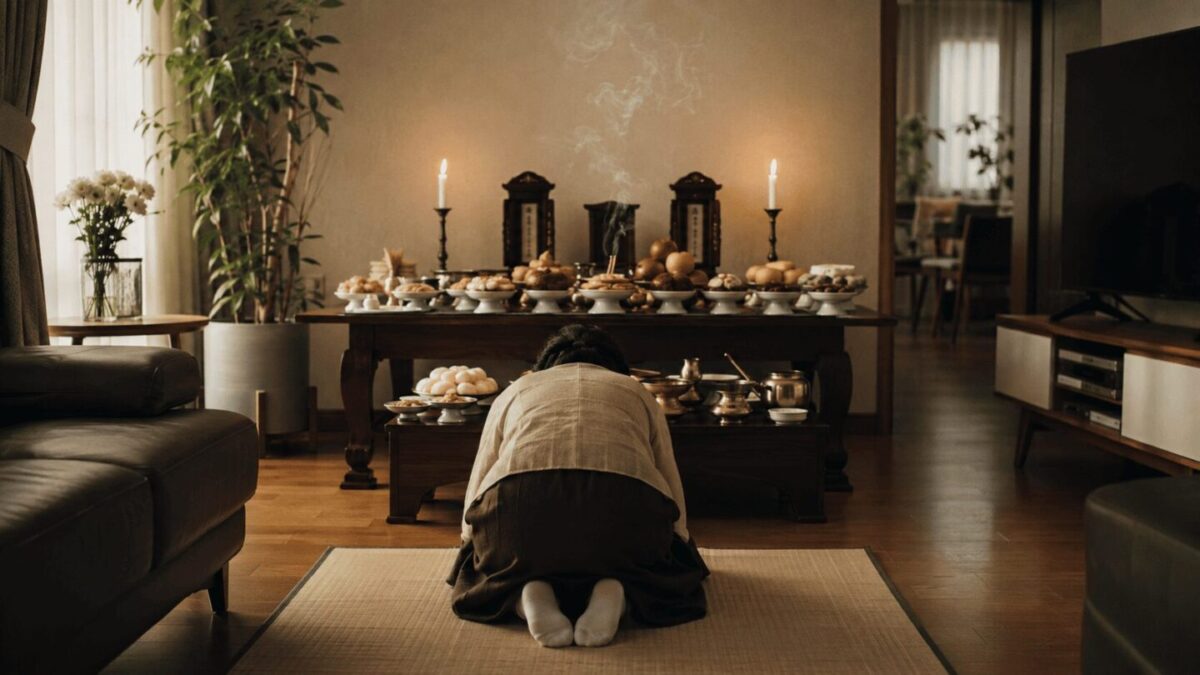
Before anyone eats anything, families set the jesa table — the ancestral rite. Rows of food arranged in a precise order that somehow every Korean mother knows by heart: fruit on this side, fish facing that way, rice and soup for people who are no longer here to eat them. Everyone bows. Drinks are poured for the dead. It’s quiet, formal, and strangely tender — less like a séance, more like setting a place at the table for family who couldn’t make it this year. (If you’re curious how exact that order really is, the National Folk Museum of Korea has mapped it out shelf by shelf.)
Only after the ancestors have “eaten” do the living get breakfast. Then comes the drive — to the grandparents’ house, where the real feast happens. Ours ends at my grandma’s.
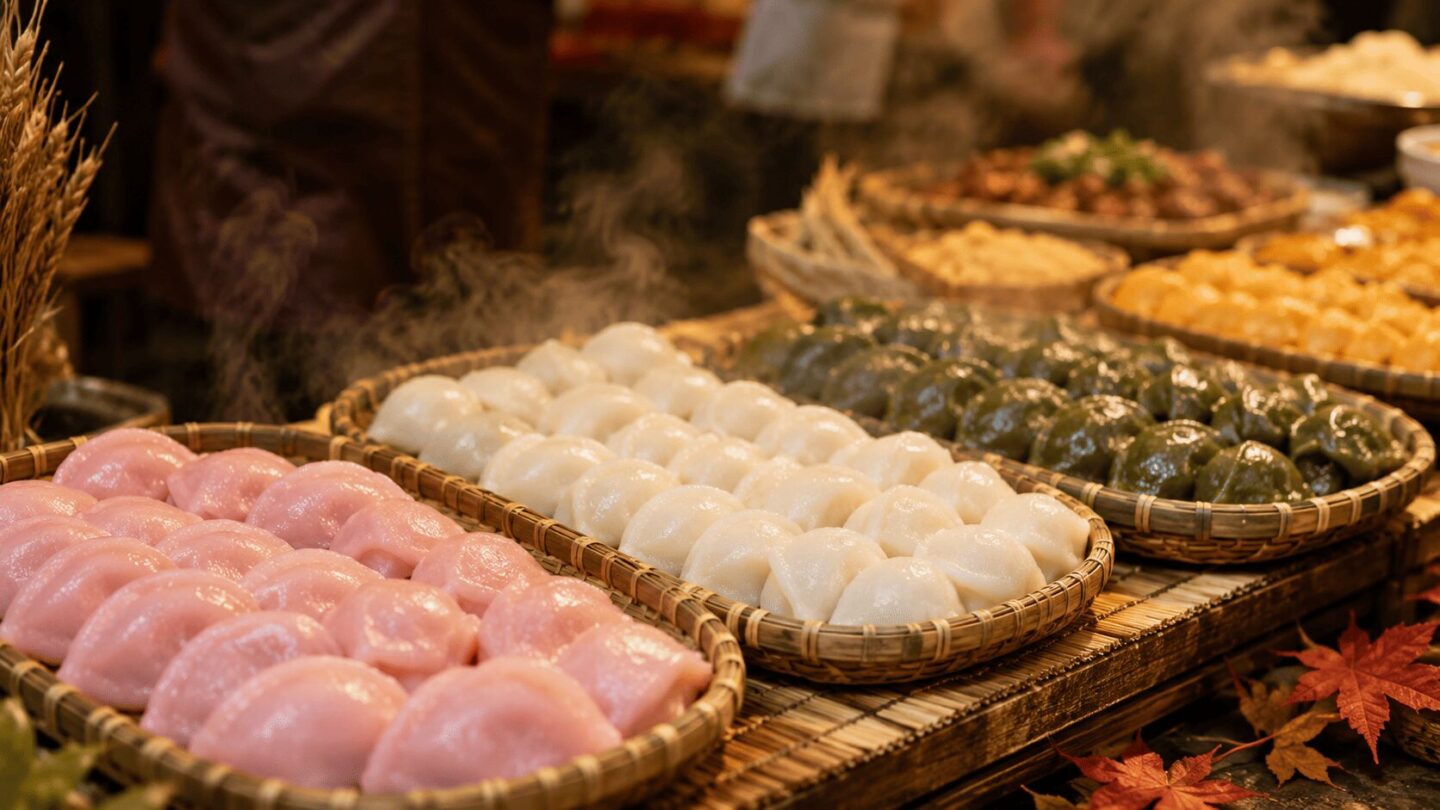
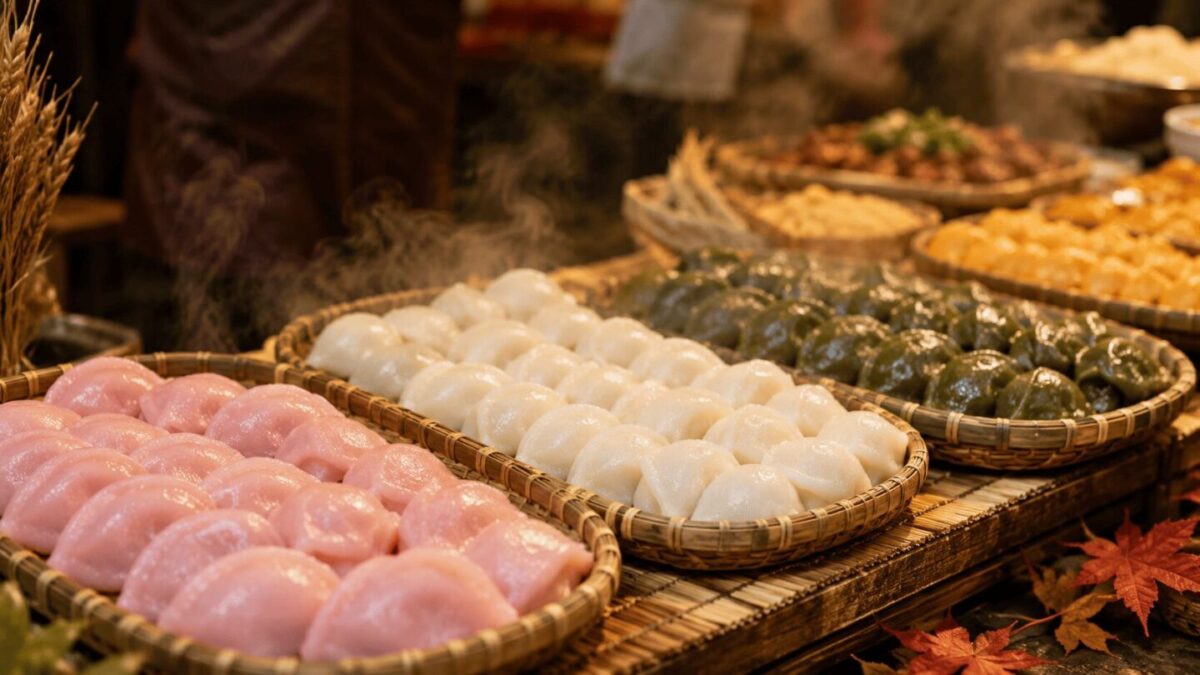
The signature dish of the day is songpyeon: half-moon rice cakes stuffed with sesame and honey, steamed over pine needles. There’s an old saying that if you make beautiful songpyeon, you’ll have a beautiful daughter. Generations of Korean grandmothers made them by hand — mine did too, when I was little.
My family buys ours at the market now.
I used to feel vaguely guilty about that, like we were cheating at being Korean. Then I found out half the country does the same thing — the songpyeon lines at markets before Chuseok are legendary. If Americans can buy pumpkin pie at Costco and still call it Thanksgiving, we can buy our rice cakes. The moon doesn’t check receipts.
The Part Nobody Puts on Postcards
Now for the part most “Korean Thanksgiving” articles skip.
In Korea, there’s a phrase you’ll hear every single holiday season: 명절 증후군 — myeongjeol syndrome, literally “holiday syndrome.” It’s the physical and emotional burnout that hits (mostly) married women who spend the entire holiday cooking, serving, and cleaning for their husband’s family, often while the men watch TV. It’s so widely recognized that Korean media runs stories about it every year, doctors discuss it seriously, and family courts reportedly see a wave of divorce filings right after major holidays.
For many Korean daughters-in-law, the harvest moon doesn’t mean gratitude. It means three days of unpaid kitchen labor and passive-aggressive comments about grandchildren.
Here’s my confession: I only know this the way you might — from the news, from friends, from Korean dramas. Because my family is missing the exact ingredient that causes it.
My mother never had in-laws to cook for. No mother-in-law’s kitchen to survive, no hierarchy of aunts silently judging her cooking. Our Chuseok was always small, and by accident of family history, fair.
We were the control group of Korean Thanksgiving. And when your family is the exception, you see the rule with painful clarity.
My Mother, the True Believer
But here’s the twist — you’d think a woman with no in-laws breathing down her neck would happily shrink the rituals. Skip the jesa some year, sleep in, order pizza.
Absolutely not.
My mother is the most devoted person at that ancestral table, and no one is making her do it. She believes — genuinely, not metaphorically — that if we honor our ancestors properly, they protect us. That the ritual is why the family stays healthy. Skipping jesa, in her mind, isn’t laziness. It’s leaving your family’s door unlocked.
Western articles tend to describe jesa as “a Confucian tradition honoring one’s ancestors,” which is technically true and completely misses the point. For my mother’s generation, this isn’t heritage theater. It’s a live connection — a deal between the living and the dead that both sides are expected to keep.
I grew up watching her bow to people I never met, asking them to look after people I love. Whatever you believe, there’s something about that image that doesn’t leave you.
The Generation That’s Letting Go
Here’s what keeps me up at night — figuratively, and during Chuseok week, literally.
My generation is quietly walking away from all of it. Fewer young Korean couples hold jesa at all. Some families have replaced the rite with a simple meal, a photo on the table, a moment of silence. Others skip the hometown drive entirely and fly to Japan or Vietnam — Chuseok is now one of the biggest overseas travel weeks of the year.
And I get it. I really do. The rituals are labor-intensive, the gender politics are real, and it’s hard to bow to great-grandparents you’ve never seen when rent is due. Nobody wants to defend the version of Chuseok that gives their mother holiday syndrome.
But I keep thinking about my mother’s version of the deal — feed the ancestors, and they keep the family safe. My generation is the first one in centuries preparing to hang up the phone on the dead entirely.
Maybe nothing happens. Probably nothing happens. Korea has done this before — kept calling itself a tiger long after the actual tigers were gone. Maybe jesa ends up the same way: a name that outlives the thing it names.
But every September, when that enormous moon comes up over the apartment blocks, I find myself doing the math: someday it’ll be my table. My rows of fruit to arrange, my ancestors to feed — and my choice whether the line stays open.
I don’t know yet what I’ll choose. I just know that when I imagine the table empty, it doesn’t feel like progress.
It feels like forgetting.
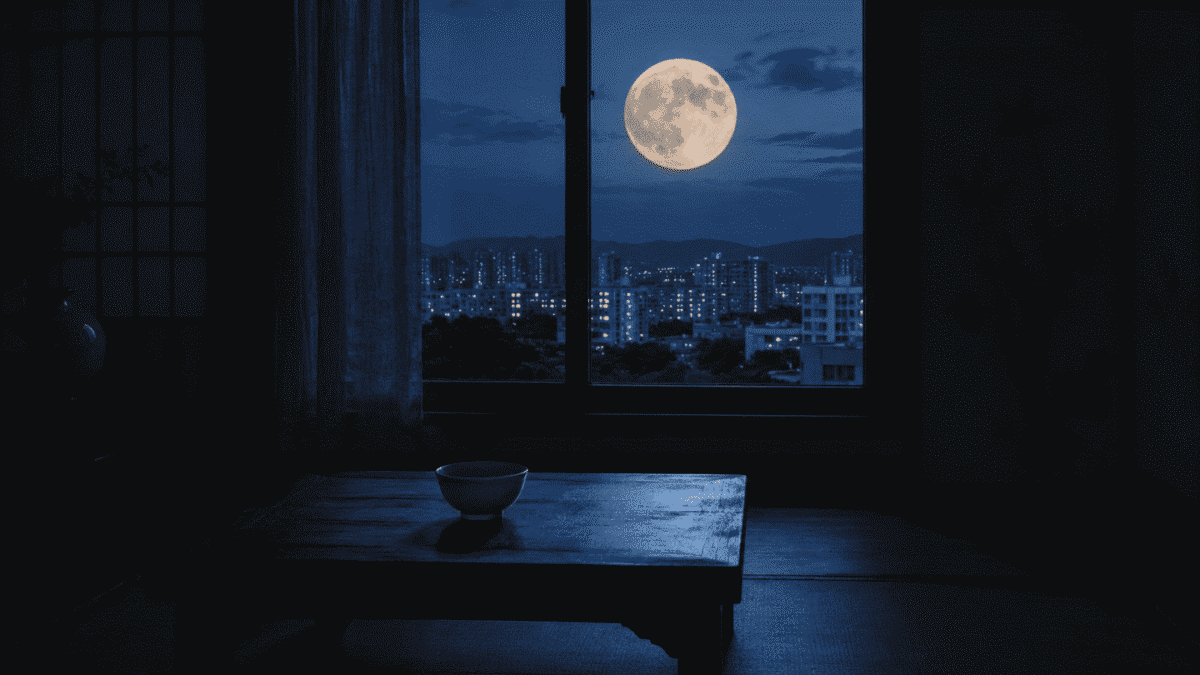
Chuseok in 2026 falls on September 25, with the holiday running September 24–26. If you’re ever in Korea during that week: the palaces are free, the city is empty, and the moon is unbelievable.