Gapjil: Why Korea Needed a Word for Power Trips
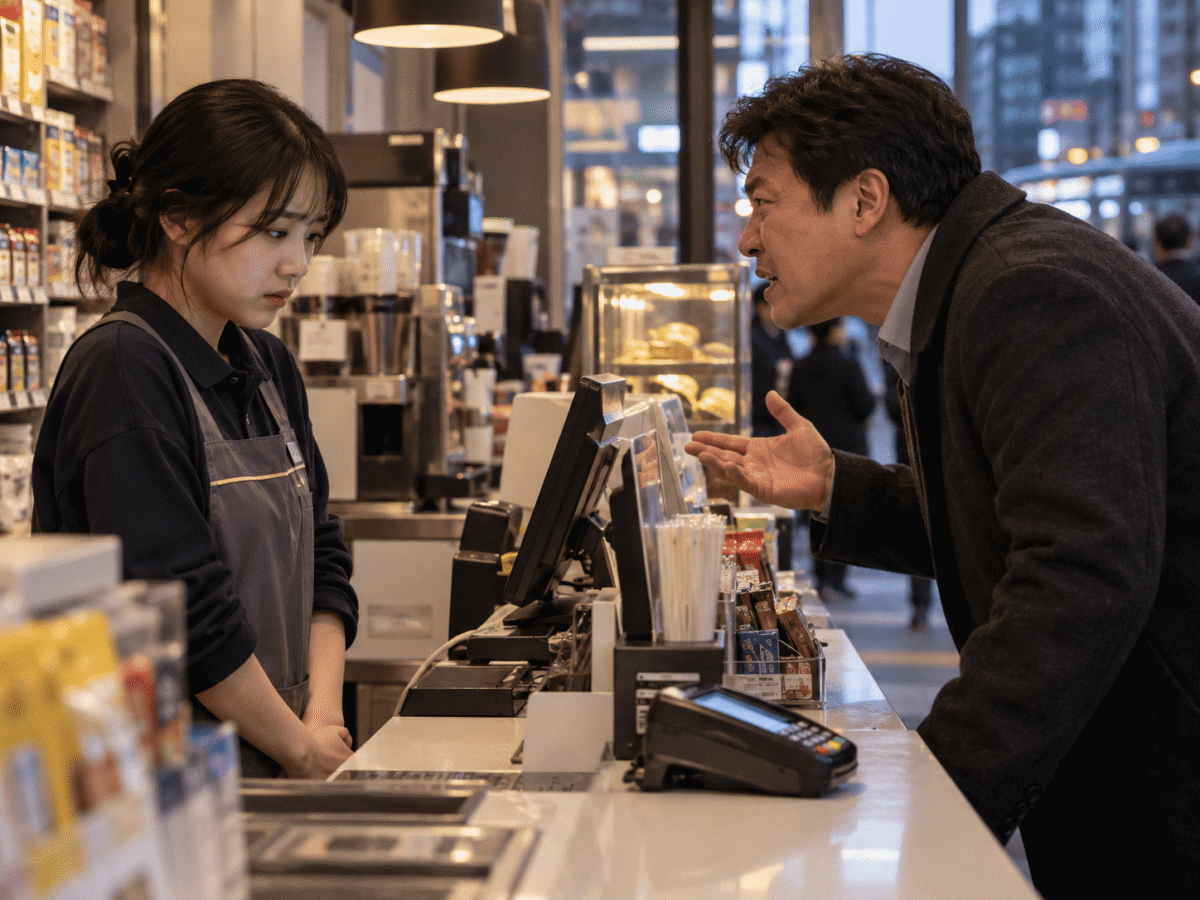
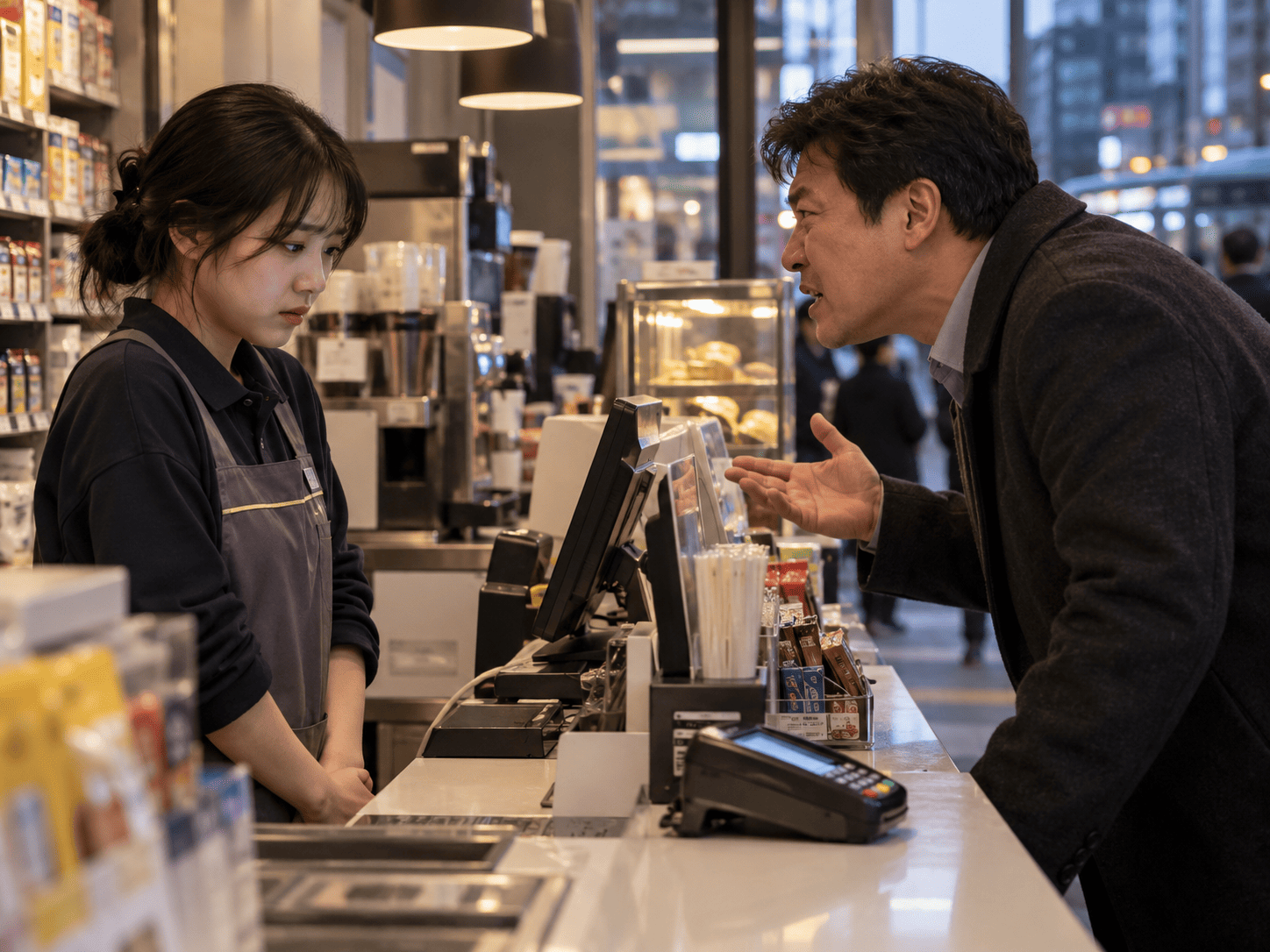
If you’ve ever worked a job in customer service, you’ve probably met this person. They don’t like your answer. They lean over the counter. And they say something like, “Do you know who I am? I’m the customer here.” In Korea, almost every young person who has worked a part-time job has met them too. Koreans even have a word for what that person is doing: gapjil.
You’ve heard “the customer is always right.” In Korea, people go one step further. The customer isn’t just right — the customer is king. And the twenty-year-old behind the register is expected to act like a servant.
But gapjil isn’t only about rude customers. It’s about something every culture has, but few have a single word for: what happens when someone with a little power over you decides to use all of it. In English, you might call it a power trip. Or punching down.
And the story of this word is stranger than you’d think. It starts in a legal contract, it went global on a runway at JFK Airport, and it ended up changing Korean law.
Where Gapjil Comes From: A Contract
Here’s the part that surprises most people.
Think about the last lease you signed. It probably didn’t use your name over and over. It said “Landlord” and “Tenant.” Some contracts just say “Party A” and “Party B.”
Korean contracts do the same thing, with two short words: gap (갑) and eul (을). Gap is Party A. Eul is Party B.
And in real life, Party A is usually the one holding the cards. The landlord, not the tenant. The big company, not the small supplier. The client, not the freelancer. Gap is the side that can walk away from the deal. Eul is the side that can’t afford to.
Over time, Koreans started using those two contract words to describe people. Your boss is your gap. You are their eul. A customer walks into a café, and for the next five minutes, they’re the gap.
Gapjil (갑질) adds one more piece. The ending -jil turns a word into an action — usually an annoying one. So gapjil means, more or less, “acting like the gap.” Throwing your Party A weight around. It’s Korea’s version of power-tripping.
If you’ve read my piece on how Koreans turn an entire social situation into a single word, you’ll recognize the pattern. Korean loves to name things that English needs a whole sentence to explain.
Here’s what makes the word so powerful in Korea: almost everyone knows, in almost every room they walk into, whether they’re the gap or the eul.

The Nut Rage Heard Around the World
For years, gapjil was a Korean word for a Korean problem. Then, in December 2014, the whole world got a lesson in what it means — at New York’s JFK Airport.
A Korean Air flight to Seoul was pulling away from the gate. In first class sat one of the airline’s own executives. She was also the daughter of the company’s chairman.
A flight attendant offered her macadamia nuts. In the bag. Not on a plate.
She was furious. She yelled at the crew about how the nuts were served. Then she ordered the plane — already moving — to go back to the gate, so the chief flight attendant could be kicked off.
The plane went back. The crew member got off. The flight left late.
American and international media called it “nut rage,” and it became one of the most talked-about airline stories of the year. Late-night comedians joked about it. But in Korea, people weren’t just laughing. They saw something they recognized: a powerful person, a tiny complaint, and a worker who paid the price. It was gapjil, caught on the world stage.
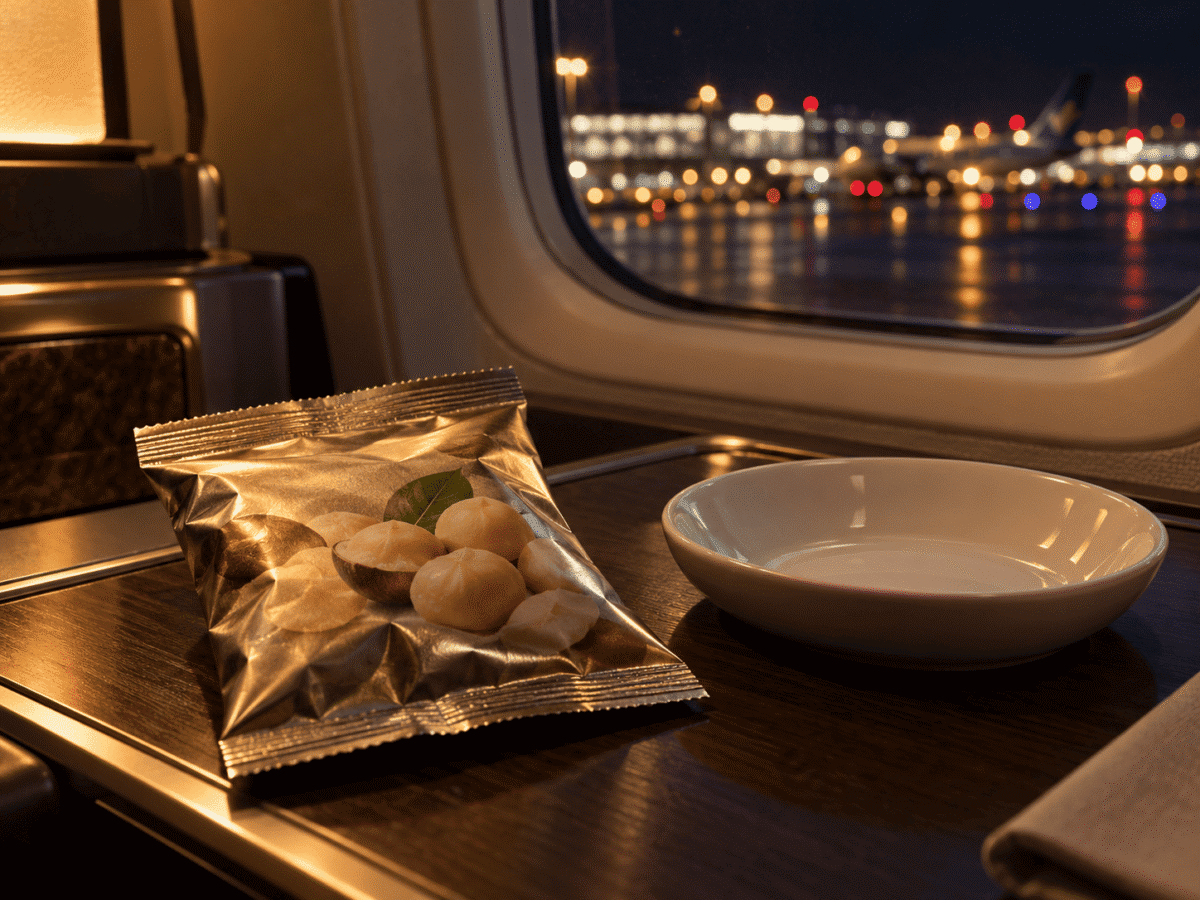
In February 2015, a Seoul court sentenced the executive to a year in prison. A few months later, an appeals court suspended the sentence, and she was released.
But by then, the word had escaped. After nut rage, English-language news outlets started using “gapjil” on its own, the same way English borrowed schadenfreude from German. Some ideas are easier to borrow than to translate.
Gapjil Is Everywhere
Nut rage made headlines. Most gapjil never does. It’s quieter, and much more ordinary. Here are the versions Koreans know best.
The boss from hell. The executive who screams at his driver or his assistant, simply because he can. Korea has seen more than one case of a company boss caught on tape doing exactly that.
The corporation. Picture a big fast-food chain telling one of its franchise owners, “Buy these extra supplies you don’t need — or maybe we won’t renew your contract.” The franchise owner is the eul. Saying no isn’t really an option.
The “unpaid internship.” Employers who pay young workers less than minimum wage and call it “experience.” Koreans gave it a sarcastic nickname that translates to “passion pay” — as in, you’re supposed to be paid in passion.
And the customer. This is the gapjil most Koreans meet first, usually as teenagers or college students. The customer who tosses a receipt at the cashier. The caller who swears at a call-center worker for twenty minutes. The parent who demands to “speak to the manager” because the coffee took too long. If you’ve worked retail in America, none of this will sound foreign.
It’s more common than you might think. In a 2024 survey of 1,000 Korean workers, 16% said they had experienced gapjil from customers, clients, or the public. And more than six in ten of them said they just took it, or pretended it didn’t happen.
That’s the part people often miss. Gapjil isn’t only about the person with power. It’s also about the person on the other side — the one who has learned that staying quiet is usually the safest move.

When a Word Changes the Law
Here’s where the story turns serious.
Giving something a name is the first step to fighting it. Once Koreans had a word for this behavior, they could point at it, argue about it, and eventually write laws about it.
2018: Protecting “emotional labor.” You may know this term. It was coined by an American sociologist, Arlie Hochschild, in her 1983 book The Managed Heart. It describes jobs where you have to keep smiling no matter how you’re treated — flight attendants, cashiers, call-center workers. In 2018, Korea changed its workplace safety law to protect these workers. Companies are now required to have a plan for when customers become abusive.
2019: Banning workplace bullying. A year later, Korea made workplace harassment illegal. When the law took effect, Korean newspapers summed it up in four words: “This is gapjil, too.”
Some companies tried smaller, more creative fixes. In 2017, one Korean energy company changed the hold message on its customer-service line. Before you reached an agent, you heard a recording from a member of that agent’s family — a child, for example, saying that someone they love was about to help you. A gentle reminder that the voice on the other end of the line is somebody’s mom, or daughter, or son. The company said its agents’ stress dropped sharply afterward, and other Korean companies have tried the same idea since.
But laws and clever hold messages haven’t ended gapjil. The 2018 law doesn’t actually punish companies that ignore it. And in that same 2024 survey, nearly two out of three workers said they had never even heard of it.
Korea did something important when it gave this behavior a name. It turned private humiliation into a public problem. But naming a problem and solving it are two very different things.
So if you ever visit Seoul, and you see someone at a counter start raising their voice at the twenty-year-old behind the register — now you know exactly what to call it.
Next Read: Gapjil isn’t the only Korean word with a surprising backstory. Want to know how a good-luck candy also became a way to tell someone off? Read my story on Korean yeot.