South Korean President Assassinated by His Own Spy Chief: The Night Korea Still Can’t Agree On
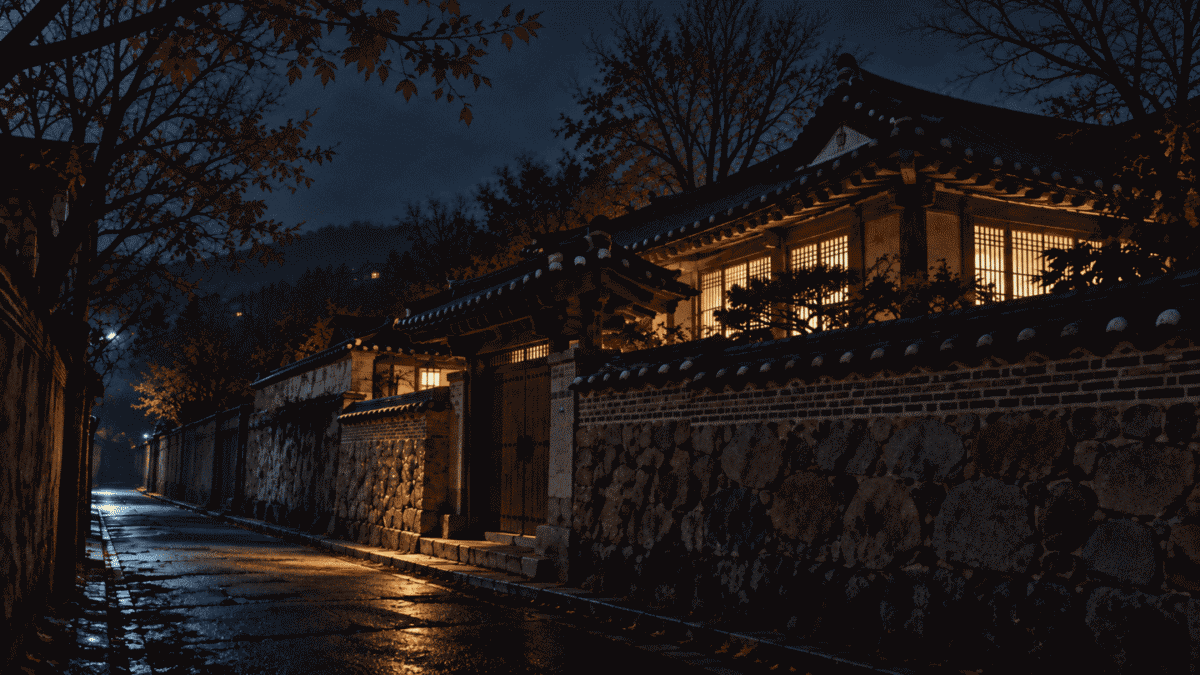
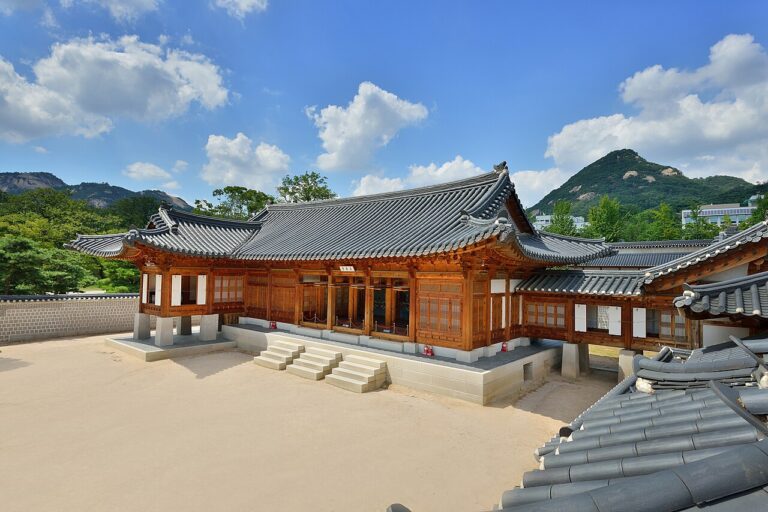
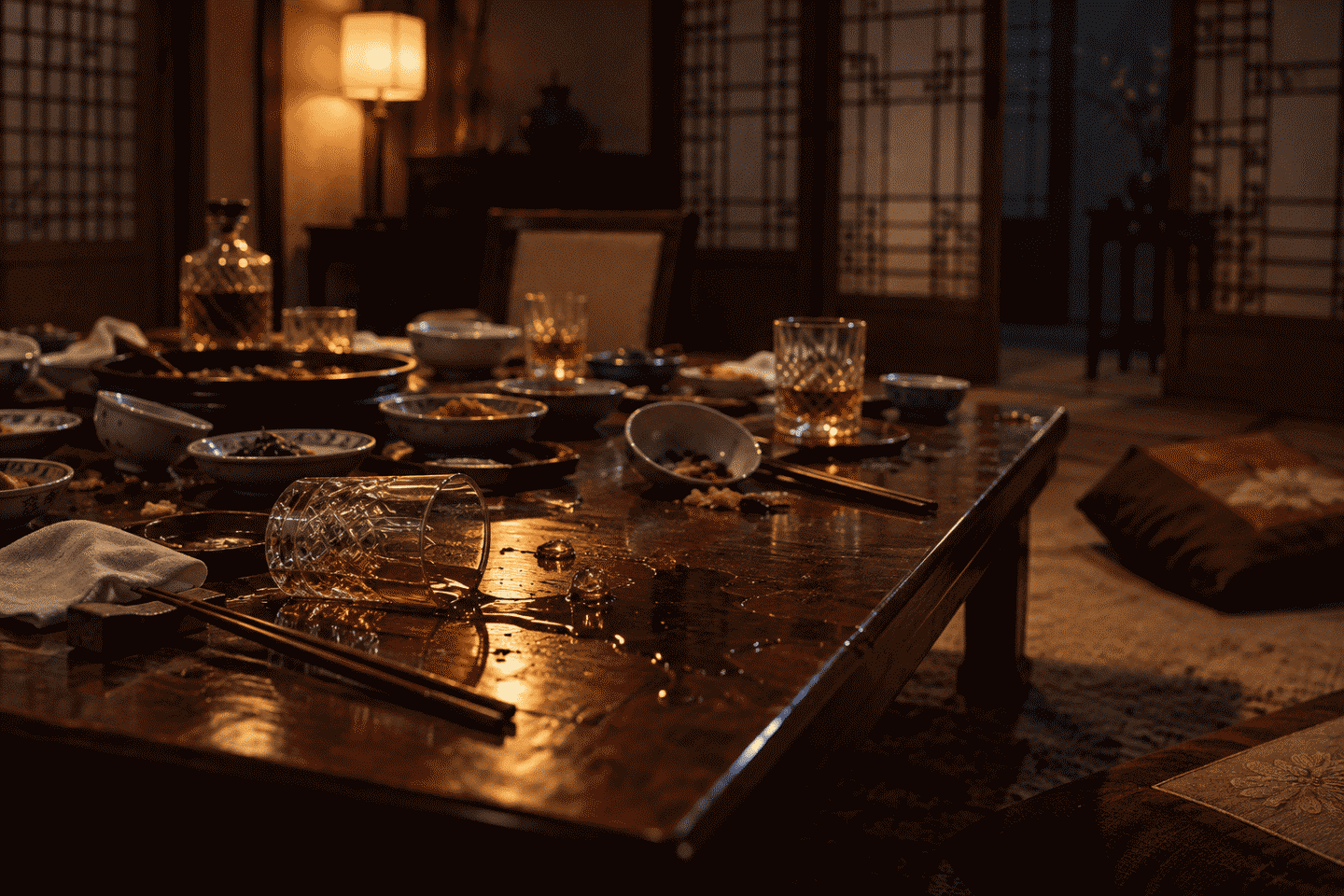
At about 7:40 on the evening of October 26, 1979, gunshots rang out inside a quiet, walled house a few minutes from South Korea’s presidential residence. Dinner had been served. Whiskey had been poured. By the end of the night, a South Korean president assassinated at his own dinner table lay dead — shot by the man whose job was to keep him safe.
In Korea, this is simply called “10·26,” after the date. Every Korean knows the name. Far fewer people outside Korea know the story, even though it reads like a political thriller: a president, his most trusted spy chief, a rival bodyguard, two guns, and a single dinner that ended eighteen years of rule.
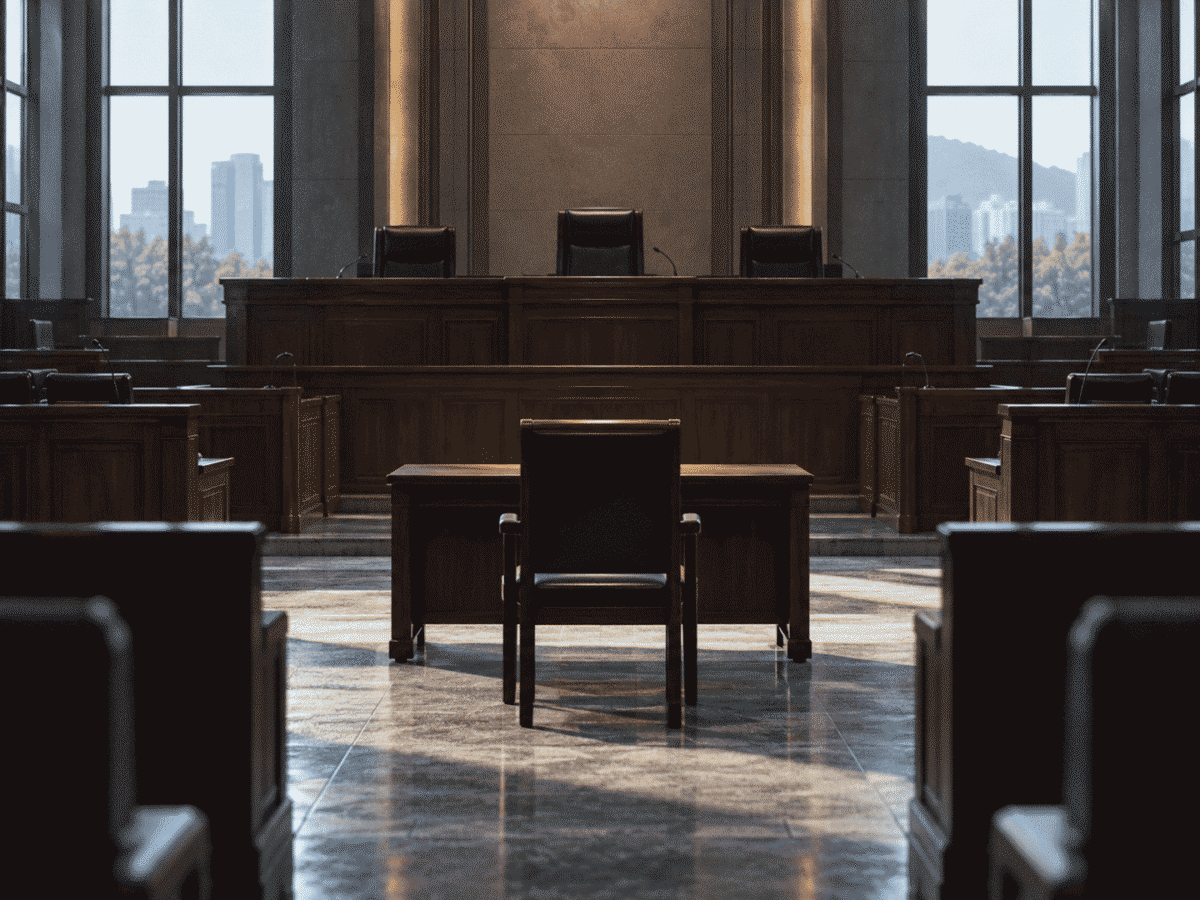
And here’s what makes it more than history: 47 years later, a Korean court is still deciding what that night actually was.
If you read my piece on the Korean CIA, you already know where this story begins. Three weeks earlier, a former director of that agency had vanished in Paris. The man who ordered it was about to walk into this dinner.
The Room
The president was Park Chung Hee. He had taken power in a military coup in 1961 and had led South Korea ever since. In 1972 he pushed through a new constitution, known as Yushin, that gave him sweeping powers and let him stay in office with no real limit.
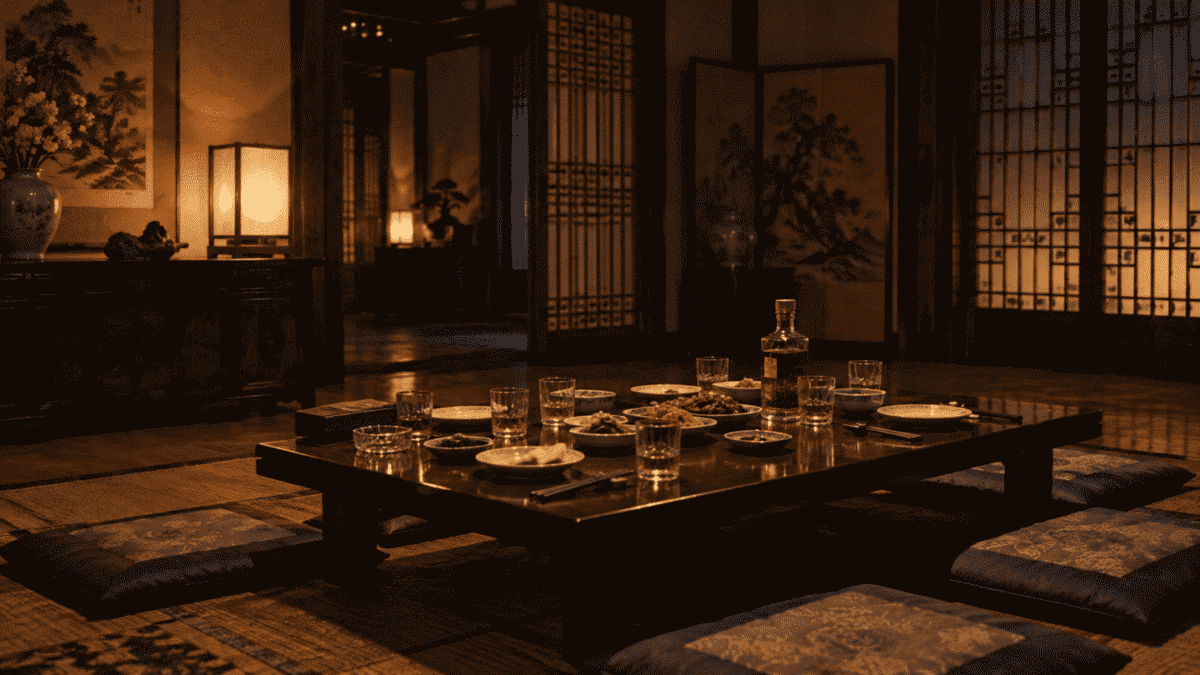
The dinner took place in a safe house run by the Korean Central Intelligence Agency, the KCIA. Around the table sat:
- President Park Chung Hee
- Cha Ji-cheol, the chief of the presidential bodyguard — and one of the most powerful men in the country
- Kim Jae-gyu, director of the KCIA
- Kim Gye-won, the president’s chief of staff
- And two young women who had been invited to the dinner: a well-known singer and a college student
Kim Jae-gyu was not an outsider. He and Park came from the same home region and had known each other since their early army days. Park had trusted him enough to put him in charge of the most feared agency in the country.
That trust is what makes the rest of the night so hard to explain.
A Country About to Boil
To understand why that dinner turned violent, you have to understand what the fall of 1979 felt like in Korea.
The opposition leader was thrown out. On October 4, the ruling party expelled Kim Young-sam, the leader of the main opposition party, from the National Assembly. The United States, South Korea’s closest ally, called its ambassador home in protest.
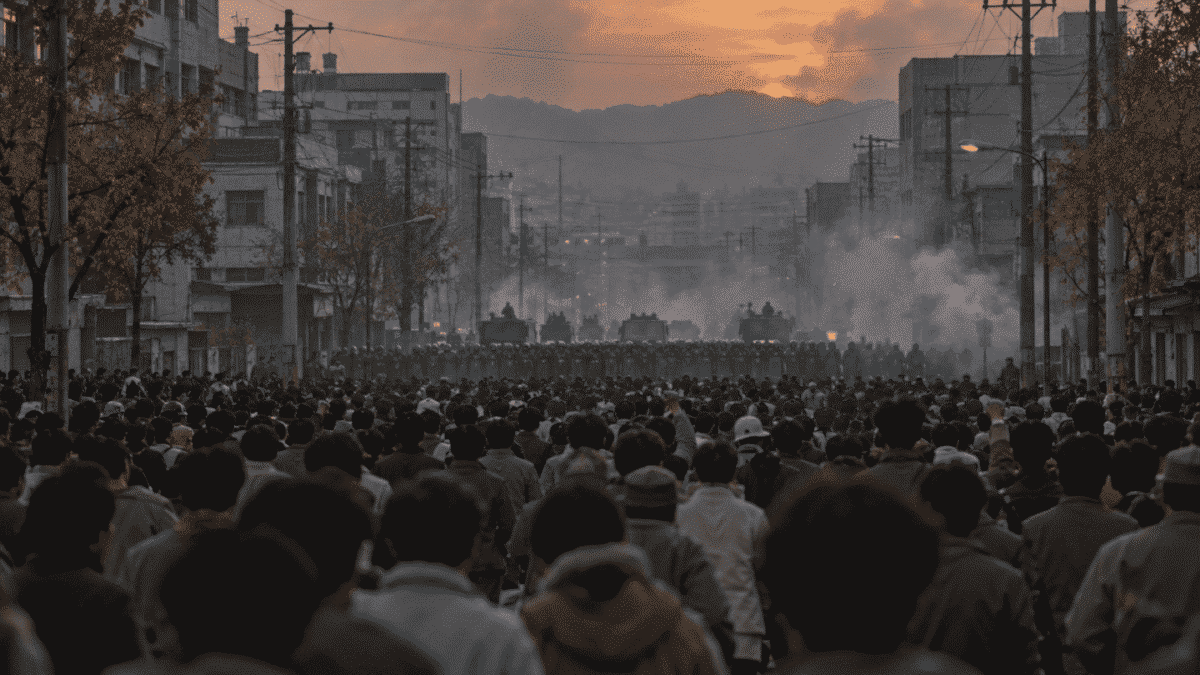
The streets exploded. Kim Young-sam’s political base was Busan, Korea’s second-largest city. Starting on October 16, huge protests broke out in Busan and the nearby city of Masan. The government declared martial law in Busan and sent in troops. In Korea, this is remembered as the Busan–Masan Uprising.
The inner circle was split. At the dinner, the question was what to do next. By most accounts, the bodyguard chief Cha Ji-cheol argued for a harsh crackdown, and the president leaned his way. Kim Jae-gyu urged a softer approach. It wasn’t a new argument. Cha and Kim had been rivals for a long time, and Cha had a habit of humiliating the spy chief in front of the president.
Ten days after the protests began, the argument ended with a gun.
“Today Is the Day”
Partway through the dinner, Kim Jae-gyu stepped out of the room. He retrieved his pistol and found two of his own KCIA subordinates. According to the investigation, he told them: “Today is the day.”
Then he went back in.
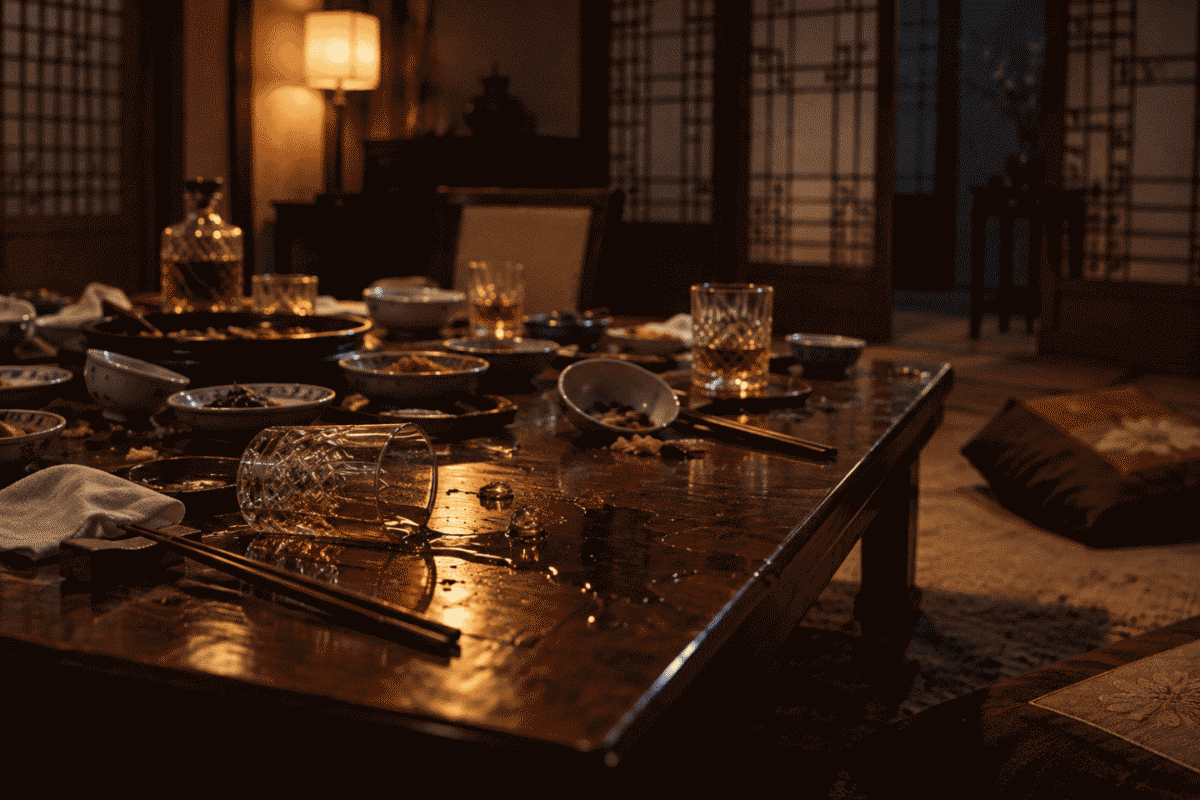
He fired first at Cha Ji-cheol, then at the president. When his pistol jammed, he left the room, took a revolver from one of his men, and came back to finish what he had started. Outside the dining room, his agents opened fire on the president’s bodyguards.
When it was over, six men were dead: President Park, Cha Ji-cheol, three presidential bodyguards, and a driver. Kim Jae-gyu then left the safe house and went to meet the army’s chief of staff, who had been waiting nearby at Kim’s invitation.
Within hours, the most powerful man in South Korea was gone.
What exactly Kim intended after that remains disputed. Did he have a plan to take power? Or did he act, in the moment, without one? The official investigation said one thing. Kim said another.
Why Was a South Korean President Assassinated by His Own Spy Chief?
This is the question Korea has argued about for nearly half a century. There are two main answers.
The first answer: a man who shot a regime. At his trial, Kim Jae-gyu claimed he had acted to end the Yushin system and bring back democracy. In one of the most quoted lines in modern Korean history, he said he had shot “the heart of Yushin” with the heart of a beast. People who see him this way point out that his killing did end Park’s eighteen-year rule, and that the investigation into him was run by a military that had its own reasons to paint him as power-hungry.
The second answer: a murder born of rivalry. Others see a very different story. Kim was locked in a bitter feud with Cha Ji-cheol. He planned the shooting in advance and brought armed subordinates. Six people died, including bodyguards and a driver who had nothing to do with politics. In this view, whatever Kim said afterward, what he did was a premeditated killing, and calling it a stand for democracy rewrites what happened.
Korean society has never fully settled between these two answers. Even people who believe the Yushin system had to end often draw a line at celebrating the way it ended.
The President Died. Democracy Didn’t Arrive.
Here’s the part of the story that surprises many Americans.
The death of a leader who had ruled for eighteen years did not bring democracy. The investigation into the assassination was taken over by an army general named Chun Doo-hwan, head of the military’s security command. On December 12, 1979 — less than seven weeks after the shooting — Chun and his allies seized control of the military in what became known as the December 12 coup. He went on to become president himself.
In May 1980, protests against the new military government in the city of Gwangju were crushed by troops, one of the darkest chapters in modern Korean history.
That same month, on May 24, 1980, Kim Jae-gyu was executed by hanging.
The man who ended one era of military rule did not live to see the next one end. South Korea would not hold a truly free presidential election until 1987.
Still Open: December 16, 2026
For decades, the Park Chung Hee assassination case was officially closed. Kim Jae-gyu had been convicted of murder with the purpose of insurrection and executed. That was the verdict of history — at least on paper.
Then, in February 2025, the Seoul High Court agreed to reopen the case. The court accepted that there had been abuse during the original investigation, which is grounds for a retrial under Korean law. It was the first time in 45 years that a court had agreed to look at the case again.
The retrial is now underway. In September 2026, prosecutors argued that the original conviction should stand — that the killing was an act of insurrection. The court is scheduled to deliver its verdict on December 16, 2026.
If you’ve seen the 2020 Korean film The Man Standing Next, starring Lee Byung-hun, you’ve seen one version of this story. The court still hasn’t delivered its own.
Whatever the judges decide, it won’t bring anyone back, and it won’t end the argument. But it will tell us how Korea, in 2026, chooses to remember the night a president was shot by his own spy chief.
Forty-seven years later, Korea is still deciding what happened that night.