The Ten Kings of the Korean Underworld : A Complete Guide
This article explains the Underworld of Korea.
This is a companion guide to the Jeoseung Saja series. If you arrived here directly, you may want to start with Part 3: You Die. Then What? — it explains the 49-day trial that sets the stage for everything below.
Before We Begin: A Note on Names
The ten kings have no officially recognized English names. Most sources simply use Korean romanization — accurate, but hard to remember and harder to pronounce.
Throughout this guide, I have given each king an English title based on their role and the sins they judge. These are my own interpretations — not official translations. Think of them as working titles — a way to hold each king in your mind as you read.
If you have seen the Korean film Along with the Gods, some of this will look familiar — and some will not. The film takes creative liberties with the traditional structure. What you will find here is closer to the original Korean folk belief.
The Structure: One King Every Seven Days
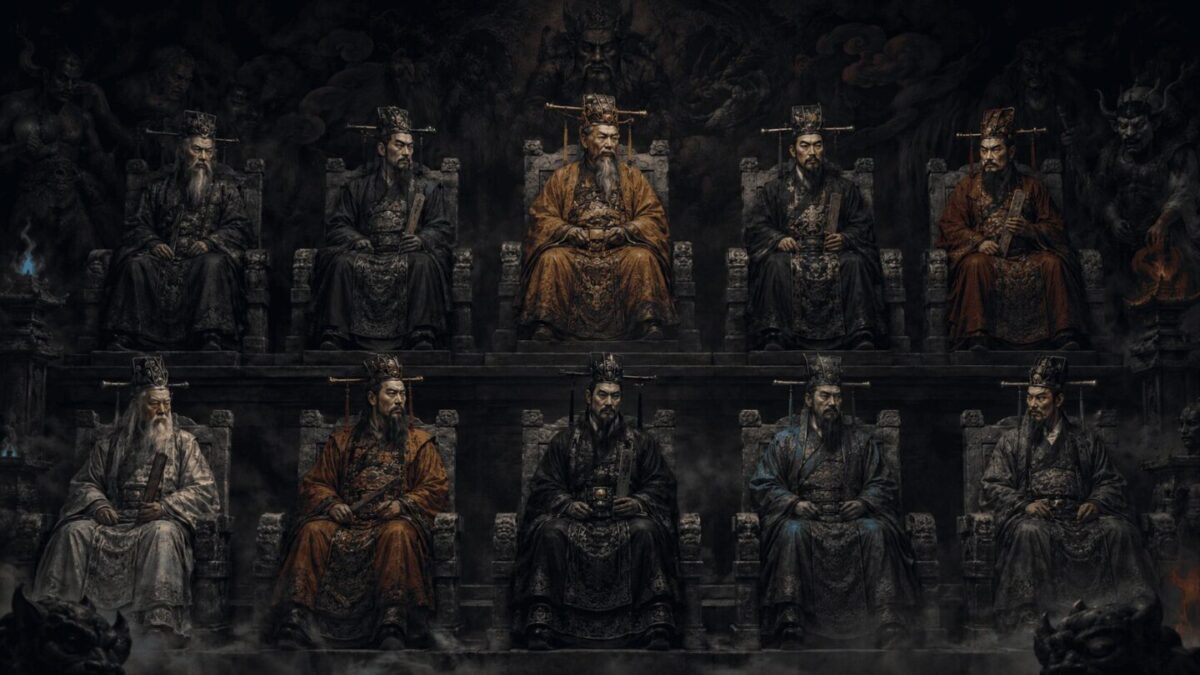
In Korean folk belief, death is not a single event. It is a journey — and the journey has ten stops.
From the moment you die, a clock begins. Every seven days, you stand before a new king and are judged for a specific category of sin. Pass the trial and you move forward. Fail, and you fall into that king’s hell on the spot — the journey ends there.
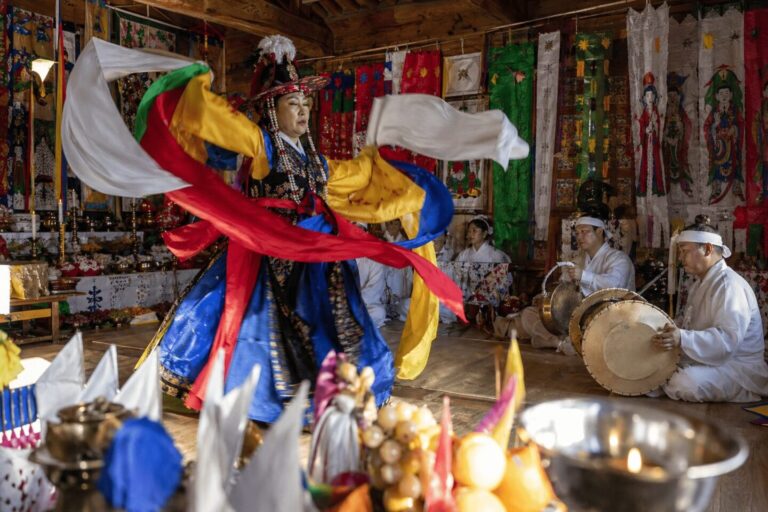
The first seven trials happen within 49 days. This is why Korean families traditionally held 49-jae (사십구재) — a prayer ritual performed every seven days to support the soul through each court. The last three kings preside over the 100-day, one-year, and three-year marks for souls whose judgment was not yet complete.
Together, they are called the Siwang (시왕) — the Ten Kings.
The Ten Kings
* English titles are Novus Korea’s own interpretations based on each king’s role — not official translations.
| 소개 | Korean Name | English Title | Trial Day | Sins Judged | Hell |
|---|---|---|---|---|---|
| 1 | 진광대왕 Jingwang Daewang | King of First Judgment | Day 7 | Taking life — killing, harming, and disregarding living things | (도산지옥) Hell of the Blade Mountain |
| 2 | 초강대왕 Chogang Daewang | King of the River | Day 14 | Theft, fraud, broken promises, and debts left unpaid | (화탕지옥) Hell of the Boiling Cauldron |
| 3 | 송제대왕 Songje Daewang | King of Cold Hearts | Day 21 | Betrayal, ingratitude, sexual misconduct, and turning away from those in pain | (한빙지옥) Hell of Ice and Cold |
| 4 | 오관대왕 Ogwan Daewang | King of Five Records | Day 28 | Lies, slander, and gossip — sins committed through speech | (검수지옥) Hell of the Sword Forest |
| 5 | 염라대왕 Yeomra Daewang | Yeomra, King of the Dead | Day 35 | Flattery, defamation, and false rumors — words used as weapons. Yeomra uses the eopgyeongdae (업경대), a karmic mirror that shows the soul’s every deed and leaves no room for denial. | (발설지옥) Hell of the Torn Tongue |
| 6 | 변성대왕 Byeonseong Daewang | King of Venom | Day 42 | Jealousy, hatred, and malice — the poisonous inner states that drive unnecessary conflict and harm | (독사지옥) Hell of the Venomous Serpents |
| 7 | 태산대왕 Taesan Daewang | King of the Crossroads | Day 49 | Unfilial conduct, disrespect toward teachers and elders, and disturbing the social order. Most souls have their fate decided here. | (거해지옥) Hell of the Iron Saw |
| 8 | 평등대왕 Pyeongdeung Daewang | King of Equal Justice | Day 100 | Ignoring injustice, oppressing the weak, and causing social inequality | (철상지옥) Hell of the Iron Bed |
| 9 | 도시대왕 Dosi Daewang | King of the Storm | 1 Year | Hatred, grudges, the desire for revenge, and greed that harms others | (풍도지옥) Hell of the Wind Knife |
| 10 | 오도전륜대왕 Odo Jeollyun Daewang | King of the Wheel | 3 Years | All remaining sins are weighed together — and your next life is assigned | (흑암지옥) Hell of Total Darkness |
The King of Venom: When What You Felt Is Also a Sin
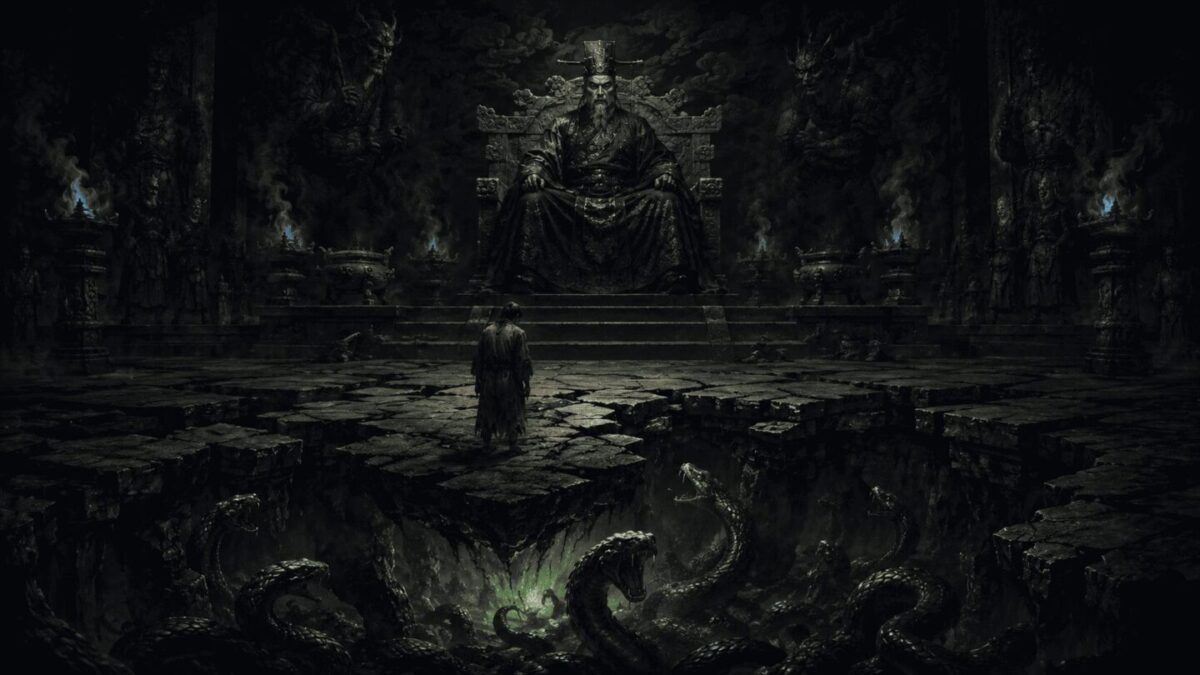
Of the ten kings, the sixth — Byeonseong Daewang, the King of Venom — is the one that surprises most people.
The five kings before him judged things most legal systems would recognize: killing, theft, betrayal, lies. Byeonseong Daewang judges something different. His court examines the inner states you carried — jealousy, sustained hatred, malice, the quiet satisfaction taken in another person’s suffering.
In Buddhist belief, sins are not only committed through action or speech. The mind also generates sins — and a mind filled with poisonous intent is itself a source of harm, even when that poison never visibly surfaces.
The hell that awaits those who fail his court is 독사지옥 — the Hell of the Venomous Serpents. The symbolism is deliberate. The venom you held inside, the texts suggest, does not disappear. It becomes the thing that consumes you.
The poison you carried does not stay inside. It comes back.
The Last King: The Wheel Turns
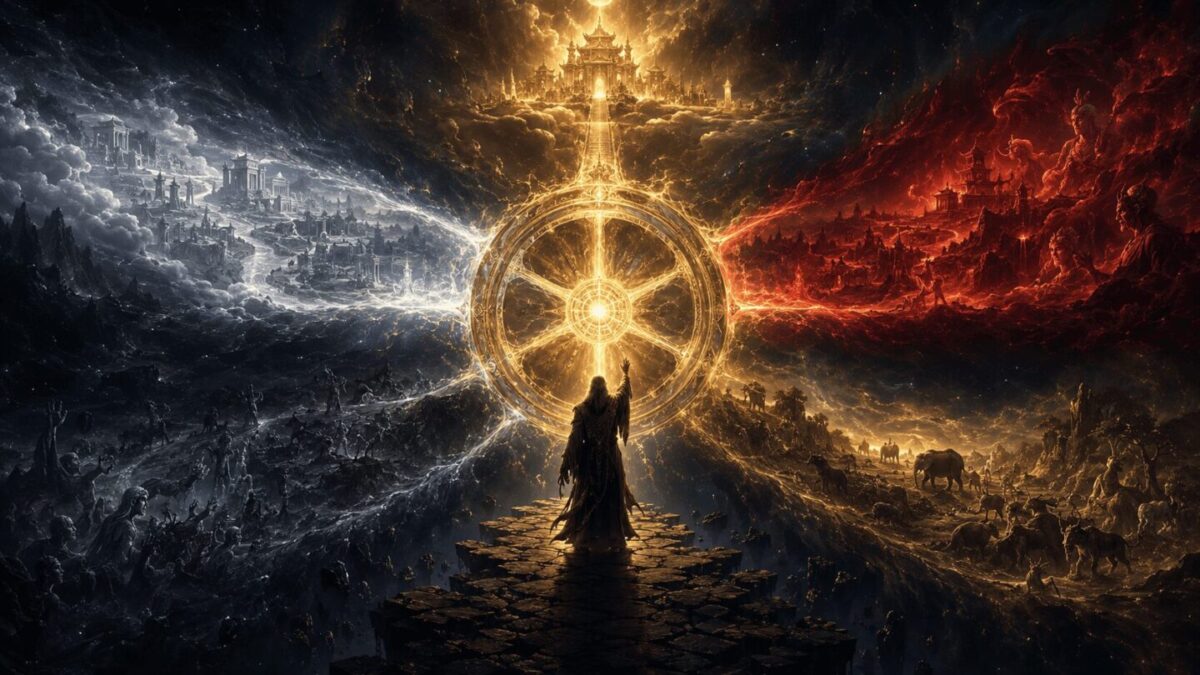
By the time a soul reaches the tenth king — Odo Jeollyun Daewang, the King of the Wheel — the judgment is already done. The sentence has been written. What remains is the question that defines all of Korean folk belief about death: where do you go next?
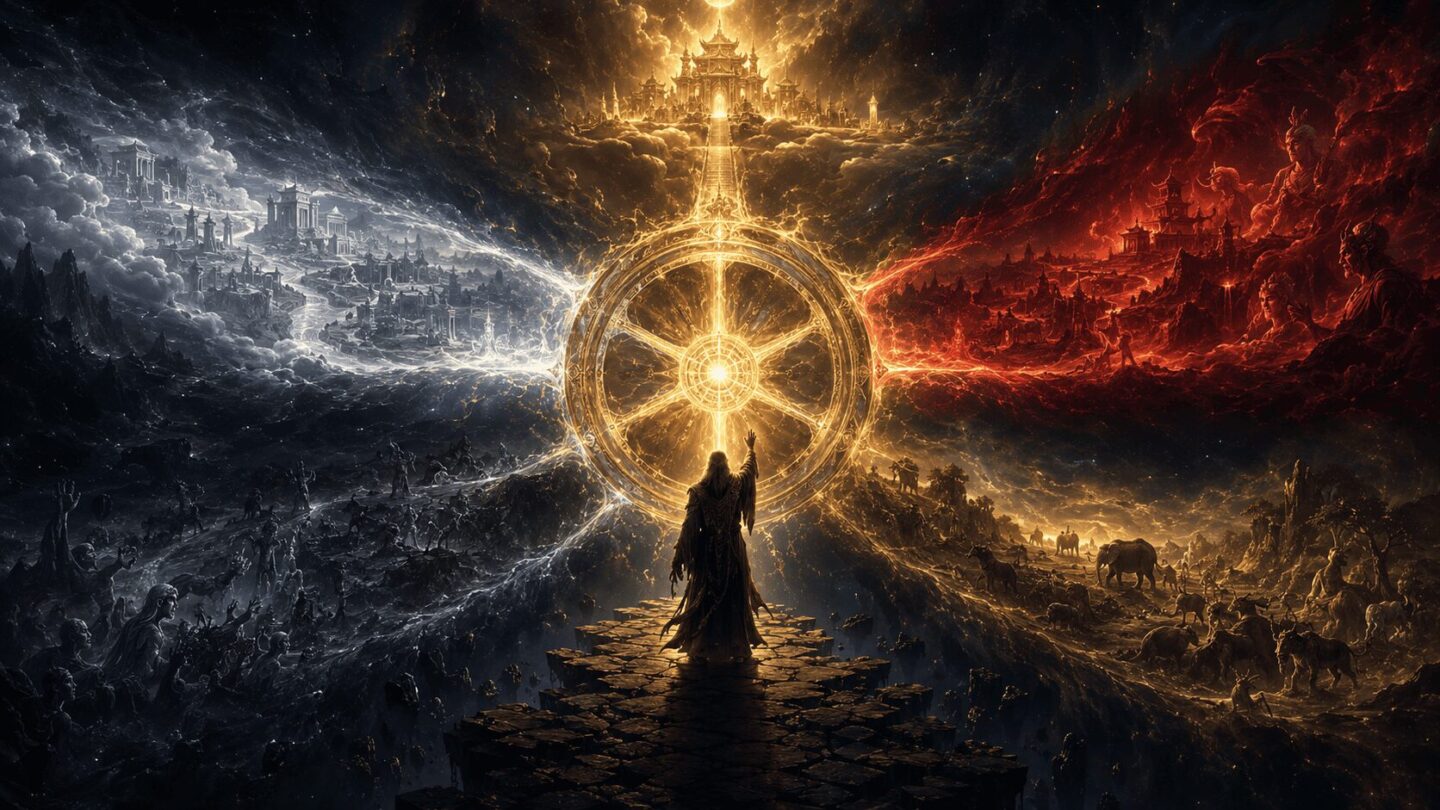
The answer is not heaven or hell. It is one of six paths — what Buddhism calls the yukdo (육도): the heavenly realm, the human realm, the realm of the asura, the animal realm, the realm of the hungry ghost, and hell itself.
The King of the Wheel weighs everything — every life accumulated across all ten courts — and assigns the next rebirth accordingly. Each path is not a final destination but a new beginning, shaped entirely by who you were in the life before.
The hell assigned to those who fail his final court is 흑암지옥 — the Hell of Total Darkness. No light. No sensation. Endless isolation. It is described as the place for those so consumed by arrogance and distorted belief that they built their own darkness around them.
In Korean belief, death is not an ending. It is a transition — and the wheel is always turning.
Why the Living Still Participate
The reason Korean families traditionally held prayer rituals every seven days for 49 days was not mourning alone. It was intervention.
In this belief, the prayers and merits accumulated by the living could be offered to support the dead through each trial. A family’s devotion could, in some sense, speak on behalf of the soul standing before each king.
This is why the living participate. In Korea, death is not something that happens only to the one who dies.