
Jangsan Tiger: The Korean Urban Legend That Mimics Your Voice
Here’s the rule, and it’s the only rule: if you’re hiking in the mountains around Busan and you hear a woman crying somewhere off the trail — don’t go help her.
I know. It sounds heartless. But every Korean who’s spent time on the internet in the last fifteen years will tell you the same thing, because we all know what’s supposedly making that sound. It’s the Jangsan Tiger — and the crying is bait.
Consider this your Korean campfire story for the season. Pull up a chair. I’ll keep the lights on.
Meet the Jangsan Tiger
First, forget everything the word “tiger” put in your head.
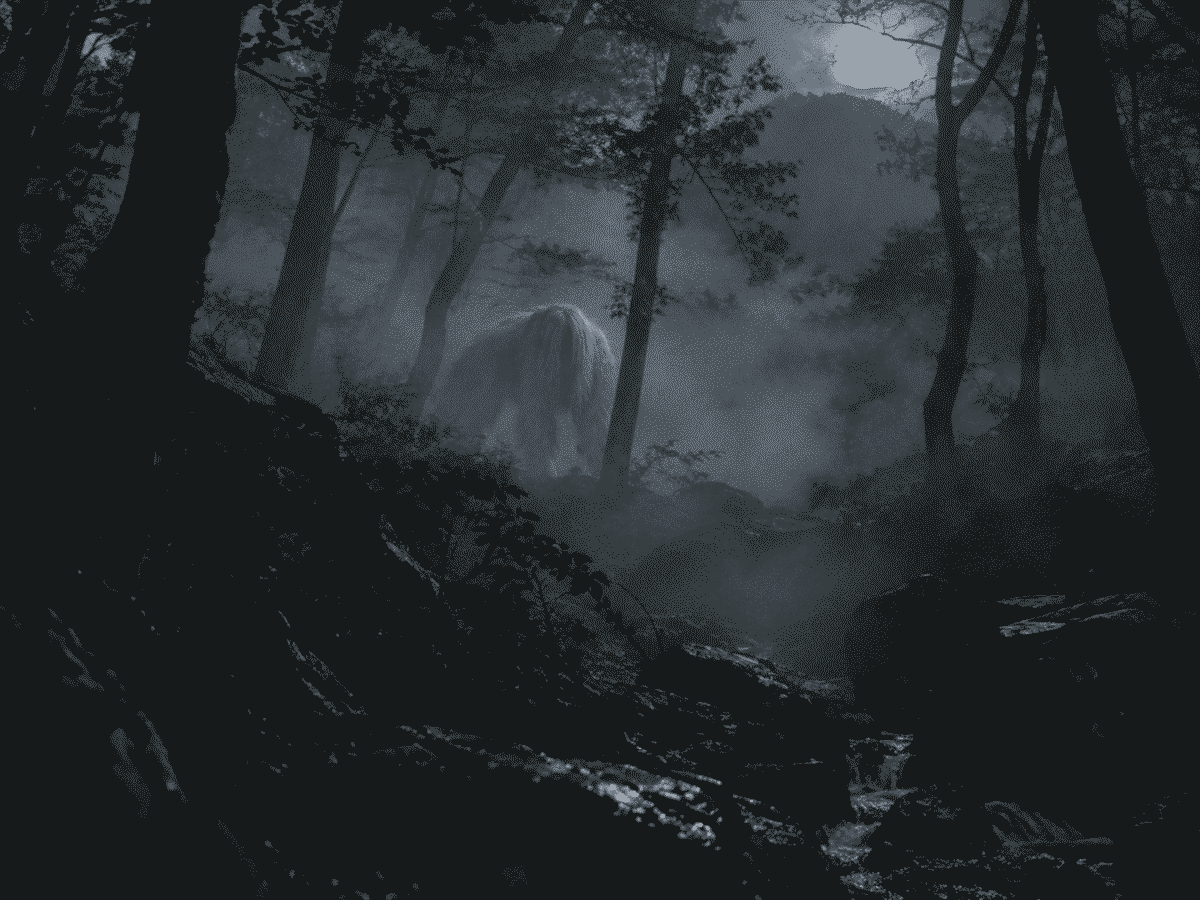
The Jangsan Tiger — Jangsanbeom in Korean — doesn’t look like a tiger. According to the people who claim to have seen it, it’s larger than a man, walks on all fours, and is covered head to toe in long white hair that hangs over its face like a curtain. Its front legs are longer than its back legs. Depending on who’s telling it, the thing moves like a dog, a sloth, or something in between — and it’s fast, especially uphill, which is exactly the direction you’ll be running.
But the body isn’t the scary part. The voice is.
The Jangsan Tiger’s whole thing is mimicry. It copies sounds — and its favorite sounds are human ones. A woman crying for help. A child calling out. In some tellings, it can copy the voice of someone you know. You hear your friend calling your name from up the trail, you head toward the voice, and the voice keeps moving just a little further into the trees.
When it’s not imitating anyone, witnesses describe its natural cry as something like metal scraping on metal, or nails on a chalkboard. Which raises the reasonable question of why anything would ever fall for it. The answer, as with all good monsters: you don’t fall for the scary sound. You fall for the kind one.
Where It Lives (Allegedly)
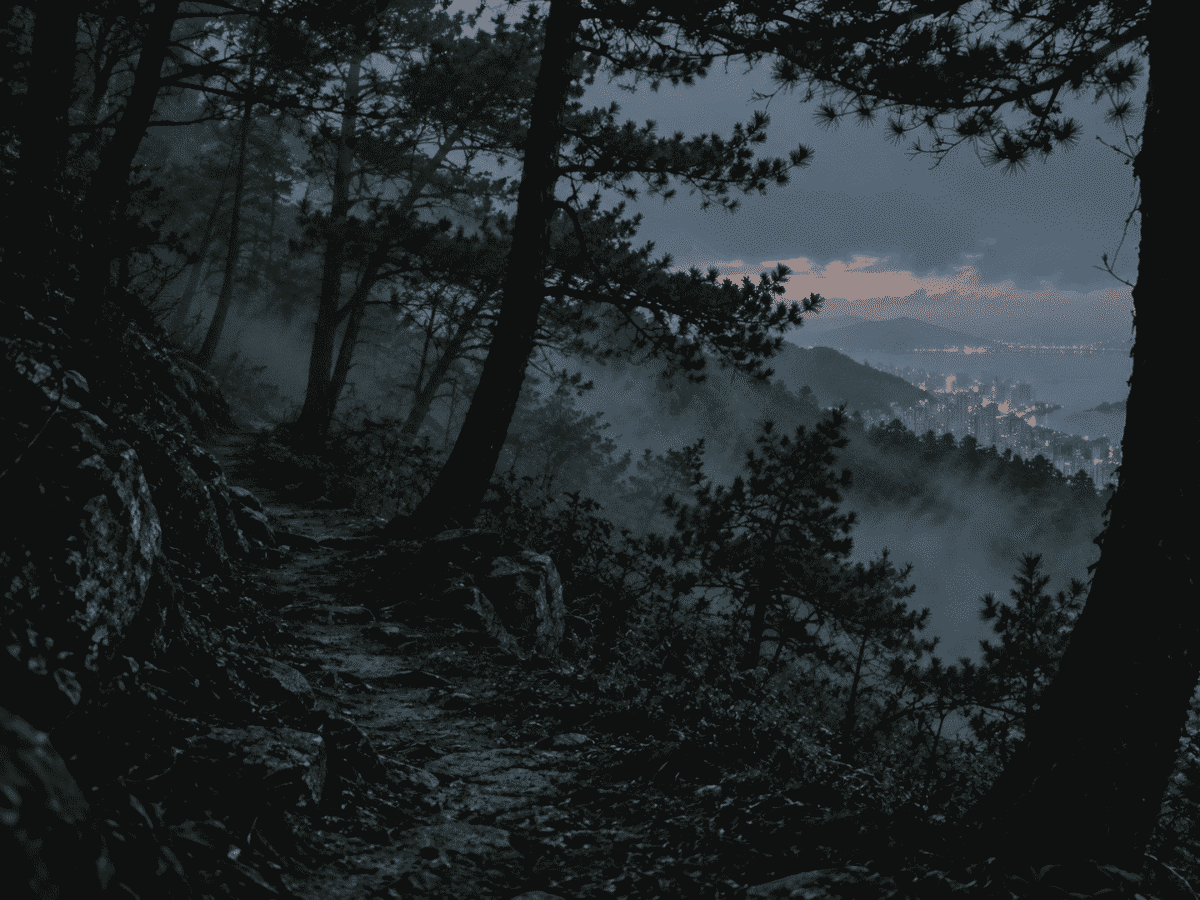
The legend is named after Mount Jangsan, a real mountain that sits right behind Haeundae — Busan’s famous beach district. This is a detail I love, because it’s so un-mythical. The Jangsan Tiger doesn’t haunt some remote wilderness. It’s supposedly living on a popular hiking mountain with apartment complexes at its base, ten minutes from a beach lined with cafes. You could hear the crying, run down the mountain, and be ordering iced coffee within the hour.
And here’s the irony that Koreans find genuinely funny: Korea has no tigers. None. The real ones were hunted to extinction in the wild about a century ago. So the country invented a new one — white, hairy, ventriloquist — and parked it behind a beach.
Sightings have supposedly spread beyond Busan over the years, with reports popping up in other mountain regions. Some versions of the legend add a warning system: right before the Jangsan Tiger appears, the birds and insects around you supposedly go quiet, or suddenly get very loud, depending on who’s telling it. (Folklore is not big on consistency. That’s part of the charm.)

Plot Twist: This Monster Is Younger Than Your Phone
Okay. Time for the part I actually find more interesting than the monster.
I’ve known this story for as long as I can remember — or that’s how it feels. The voice-mimicking mountain creature was just there in my head, the way the tooth fairy is just there. Then the 2017 Korean horror film The Mimic came out, built entirely around this legend, and it became a full-blown cultural fixture. Everyone knew the Jangsan Tiger.
Here’s the thing, though: it’s new. Really new.
There is no ancient scroll, no village elder, no dusty folklore collection that mentions a white-haired mimic on Mount Jangsan. Folklorists who’ve gone looking have come up empty. The Jangsan Tiger was born on Korean internet forums, sometime in the 2000s or early 2010s, in threads of eyewitness accounts posted by anonymous hikers. It spread the way everything spreads now — repost, webtoon, YouTube video, news article, film.
Which means my generation got to watch something rare: a legend being born. Not translated from some old text, not inherited from grandma — assembled in real time, in the comments section. If you’ve ever seen an internet creepypasta grow up into a “real” urban legend, you’ve watched the same process. Korea just happened to grow one with fur.
The Fear Is Older Than the Monster
So why did it feel ancient to me?
Because the monster is new, but the fear isn’t. Korean folklore has been warning kids about predators that copy human voices for centuries — I just hadn’t connected the dots.
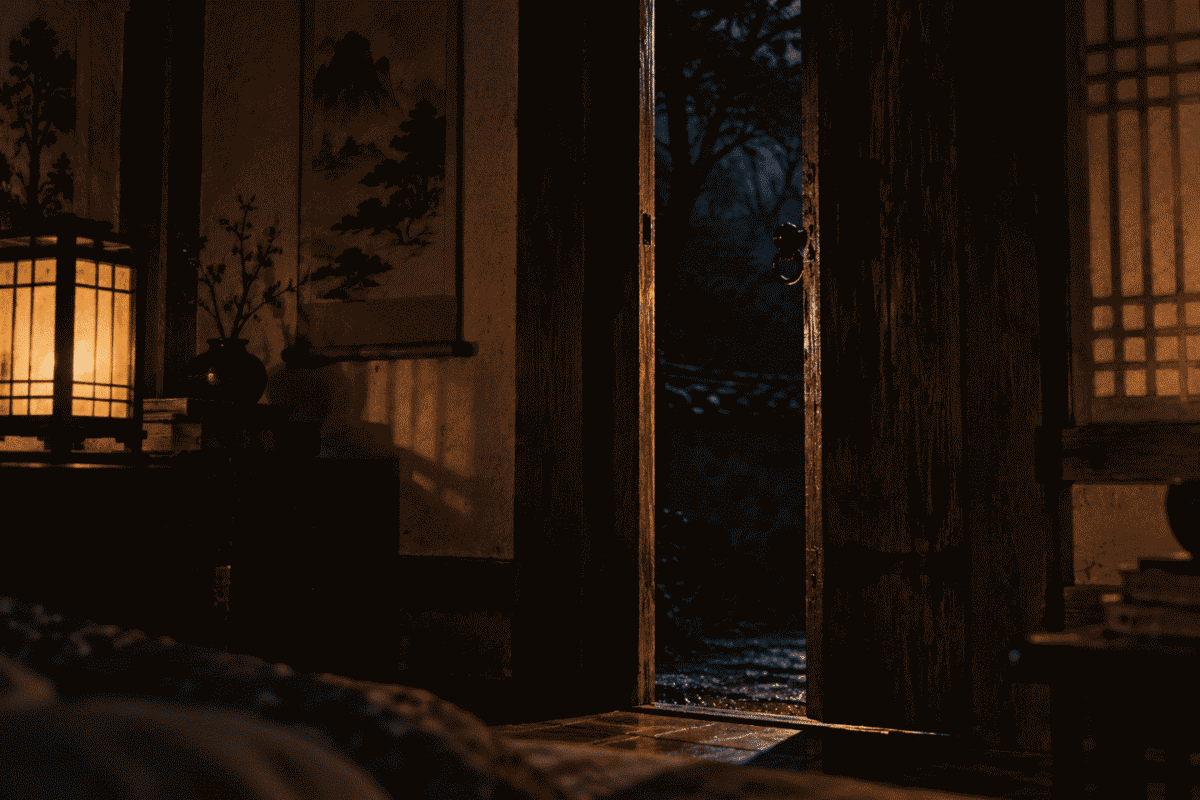
The oldest and most famous example is the tale every Korean child knows, the story of the brother and sister who became the sun and moon. In it, a tiger eats a mother, then shows up at her children’s door wearing her clothes and imitating her voice. The kids notice something’s off — “Mom’s voice isn’t that rough” — but they open the door anyway. It’s one of the first stories Koreans ever hear, and it plants a very specific seed: the thing at the door might sound like family and still not be family.
The Jangsan Tiger is that seed, five hundred years later, grown up and given a mountain address. The internet didn’t invent the fear. It just gave it a new body — long white hair, long front legs — and a place to live behind a beach.
And honestly, that’s the most Korean thing about the Jangsan Tiger. Korea has always been a tiger country, even now, with the tigers gone. When we needed a new monster, we didn’t reach for vampires or werewolves. We reached for the animal our great-grandparents feared in the dark, and gave it the one trick that scares people in every era: being believed.
If You’ve Heard This One Before
American readers may be getting a strange sense of déjà vu here, and you should trust it.
The creature that copies a loved one’s voice to lure you into the woods is one of the great shared nightmares of the internet age. The skinwalker legends that took over English-language horror forums run on the same fuel — a voice you recognize, coming from a direction you shouldn’t follow. The Jangsan Tiger is Korea’s contribution to that genre, and it arrived at roughly the same time, for roughly the same reason. Different countries, same decade, same anxiety: in a world of copied voices and fake calls, what if the thing that sounds like someone you love isn’t?
It’s a very old fear wearing a very new coat. It’s just that Korea’s coat is white, hairy, and lives on a mountain with a beach view.
Practical Advice, Offered Sincerely
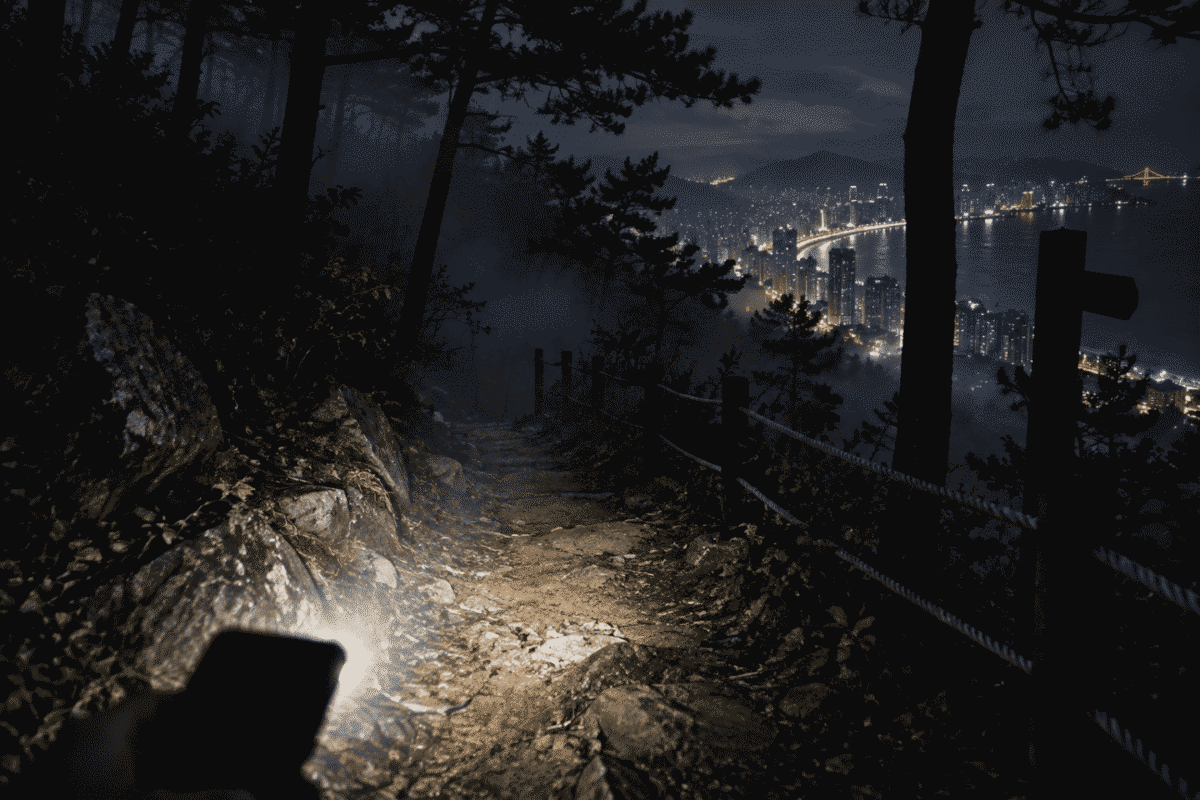
So. You’re hiking above Haeundae. It’s getting dark. Somewhere off the trail, a woman is crying.
Here’s what every Korean internet veteran would tell you:
Don’t answer. Don’t investigate. Check your phone — do you have a friend up ahead who could actually be calling? No? Then keep walking, downhill, toward the cafes. If the birds go silent, walk faster. If someone you know calls your name from behind you, and you didn’t come with anyone — well.
Now you know the story. That’s the whole trick of the Jangsan Tiger, and of every urban legend that ever worked: it doesn’t need to be real. It only needs you to think about it the next time you hear a voice in the dark.
Happy hiking. Keep the lights on.