Korean DMZ Tree Incident: How a Tree Almost Started a War
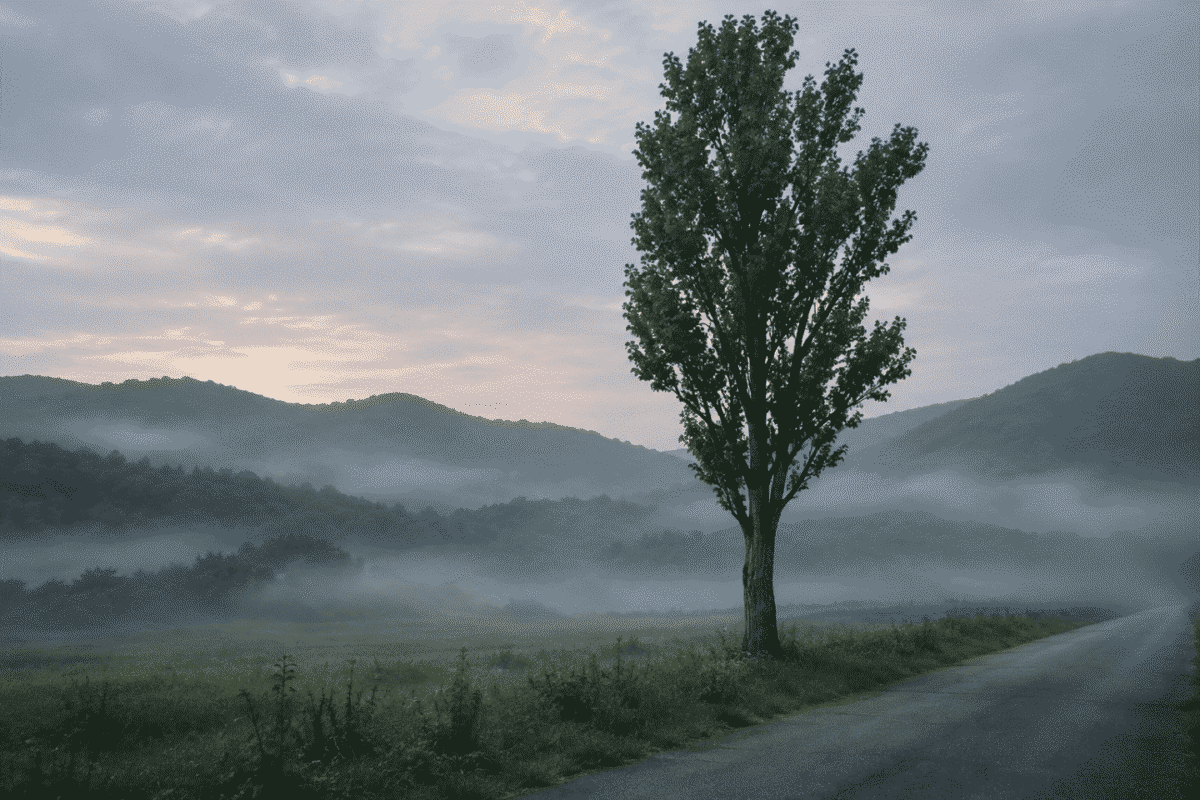
In August 1976, the United States sent an aircraft carrier, a flight of B-52 bombers, 27 helicopters, and hundreds of soldiers to the Korean border.
Their mission was to cut down a tree.
That sentence sounds like a joke. It isn’t. Two American officers had been killed three days earlier, in a fight that started over the same tree, and for about seventy-two hours a lot of serious people believed a second Korean War was about to begin.
This is the Korean DMZ tree incident. Americans who know it usually know it by the name of the operation that ended it, which is somehow even stranger: Operation Paul Bunyan, named after the giant lumberjack of American folklore.
I grew up learning this in a Korean classroom, in a textbook chapter about the border. What I didn’t realize until much later was how differently the two countries remember it. In Korea, it’s taught as an atrocity. In America, when it’s remembered at all, it’s usually told as the story of the most heavily armed yard work in history.
Both versions are true. Here’s what actually happened.
Related Read: 1976 sat in the middle of one of the tensest stretches in modern Korean history. Three years later, the president himself would be shot at a dinner table. → The Assassination of Park Chung Hee
What Was the Korean DMZ Tree Incident?
The Korean DMZ tree incident, known in the United States as the Panmunjom axe murder incident and in Korea as the “axe atrocity,” took place on August 18, 1976, inside the Joint Security Area at Panmunjom — the one spot on the Korean border where soldiers from both sides worked in the same space. A work crew sent to trim a poplar tree that blocked a line of sight was attacked by North Korean guards. Two American officers, Captain Arthur Bonifas and First Lieutenant Mark Barrett, were killed. Three days later, on August 21, the tree was cut down in Operation Paul Bunyan, a show of force involving South Korean special forces, helicopters, an aircraft carrier offshore, and B-52 bombers overhead. North Korean troops watched and did not intervene.
| Date | Place | What Happened |
|---|---|---|
| Aug 16, 1976 | Joint Security Area, Panmunjom | A crew tries to trim the poplar tree. North Korean guards stop the work. |
| Aug 18, 1976 | Same spot | The crew returns with an escort. North Korean guards gather, then attack. Two U.S. officers are killed. |
| Aug 21, 1976 | Same spot | Operation Paul Bunyan. The tree is cut down in under an hour. North Korean troops watch. |
| Later | — | North Korea’s leader sends a message of regret. The shared zone is divided so the two sides no longer mix. |
| 1987 | Same spot | A monument replaces the stump. |
The Place Where Two Armies Stood Face to Face
To understand why a tree mattered, you have to understand the place.
The Korean border isn’t a line on the ground with a fence. It’s a strip of land about 2.5 miles wide and 150 miles long, running coast to coast, with armies dug in on both sides. It’s been that way since the fighting stopped in 1953 — stopped, not ended. There was never a peace treaty. There still isn’t.
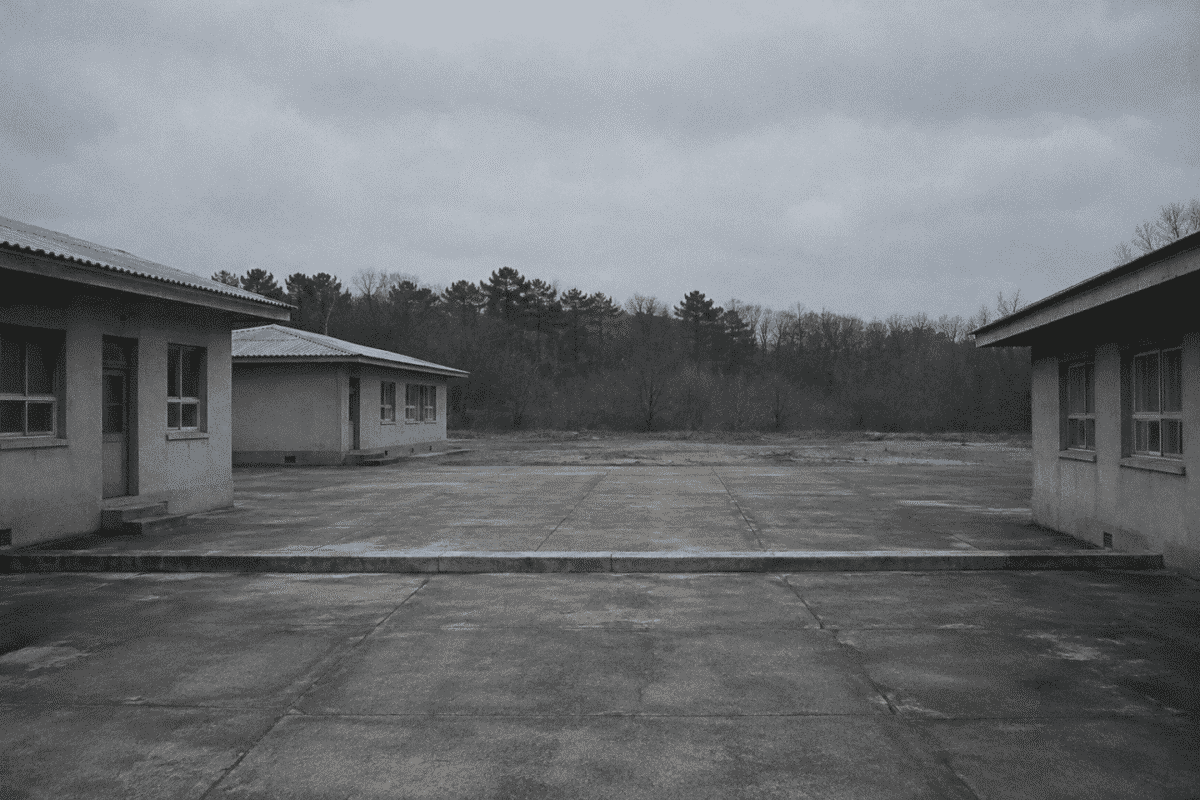
But there was one exception. At a village called Panmunjom, a small shared zone was set up in 1953 so the two sides could meet and talk. Inside it, for more than twenty years, there was no line. Soldiers from both armies walked the same ground, used the same buildings, and passed within arm’s reach of each other every day.
Picture an American soldier and a North Korean soldier standing five feet apart, every day, for twenty-three years, with no barrier between them.
It worked about as well as you’d expect. By the summer of 1976, there had been more than twenty physical confrontations in that small space — shoving, shouting, fights. Everyone involved understood that the shared zone was a place where small things got big fast.
Which brings us to the tree.
Two Days in August
There was a poplar tree growing near a bridge at the edge of the shared zone. In summer, its leaves blocked the view between two guard posts — meaning one side of the American position couldn’t see the other.
On August 16, a crew went out to trim the branches. North Korean guards told them to stop, and the crew left.
On August 18, they came back. This time Korean laborers did the cutting, escorted by American and South Korean soldiers. Captain Arthur Bonifas, who commanded the security company, and First Lieutenant Mark Barrett went with them.
North Korean guards arrived and watched for about fifteen minutes. Then an officer ordered the work stopped, saying the tree had been planted by North Korea’s leader. Bonifas told the crew to keep cutting.
More North Korean guards arrived — roughly thirty in all. Then the order came to attack.
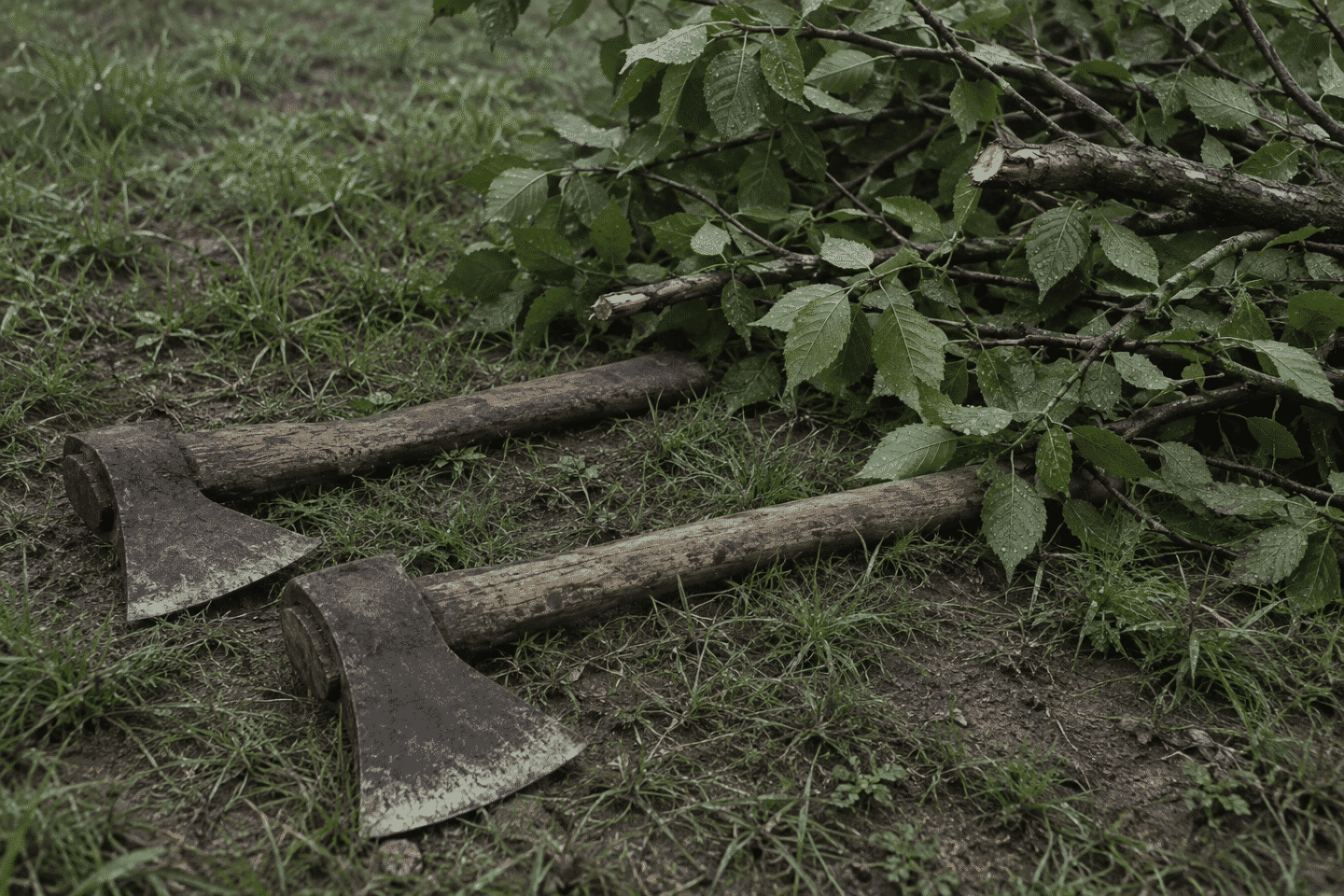
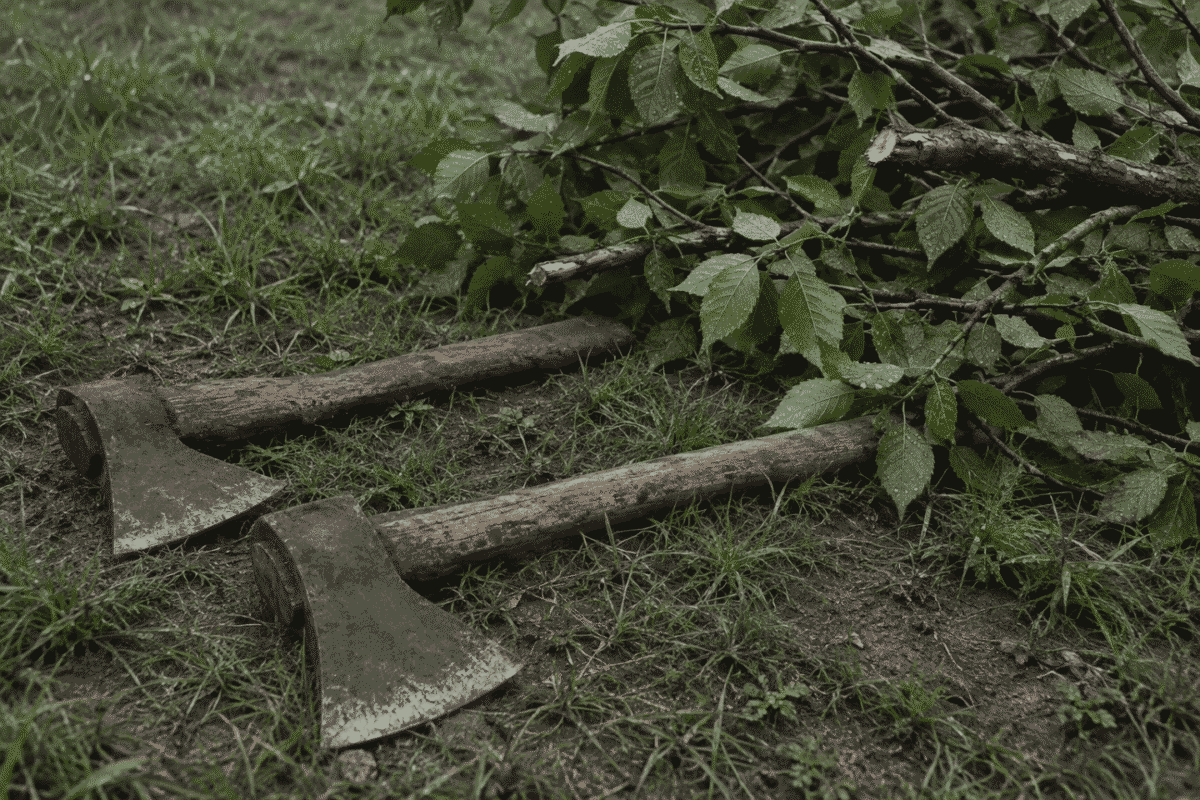
It lasted a few minutes. The guards used clubs, and they picked up the axes the work crew had brought and left lying on the ground. Captain Bonifas was killed at the scene. Lieutenant Barrett was separated from the group in the fighting and was found mortally wounded afterward. Several other American and South Korean soldiers were injured.
A camera at a nearby observation post recorded it.
Bonifas was 33 and had two daughters, aged eight and six. Barrett was 25.
North Korea’s account was different. It said the American side had provoked the fight. That remained its position.
But the film existed, and within hours the question in Seoul, Tokyo, and Washington was no longer what had happened. It was what happens now.
Forty-Two Minutes
The answer arrived on the morning of August 21.
A convoy drove into the shared zone. At its center were engineers with chainsaws. Around them stood a security force, and with them came something the North Koreans had not seen before in that space: South Korean special forces, who reportedly arrived carrying more than the rules allowed and made sure everyone could see it.
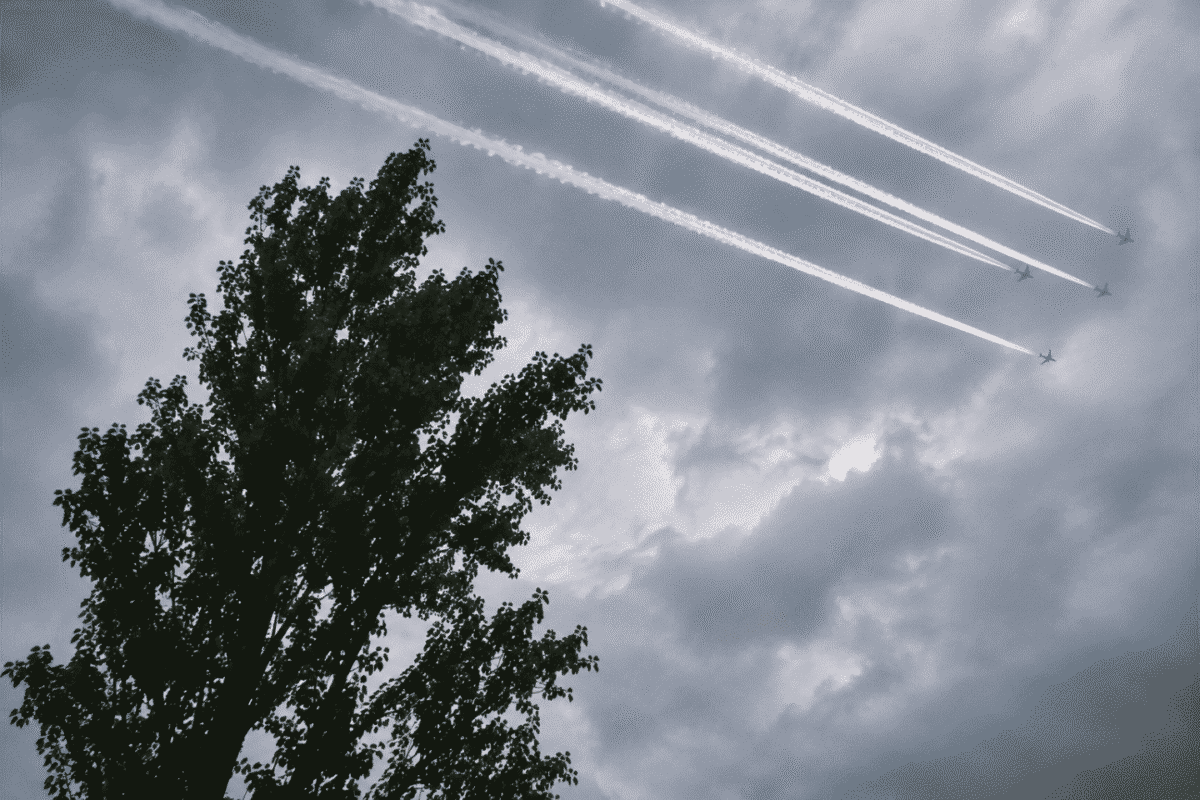
Above them, 27 helicopters held position. Farther out, fighter jets circled. An aircraft carrier had moved into waters off the coast. And very high up, where they could be seen from the ground as thin white lines, B-52 bombers flew along the border.
American forces in Korea had been raised to a heightened alert level. Troops on both sides of the border were ready.
All of it, for one tree.
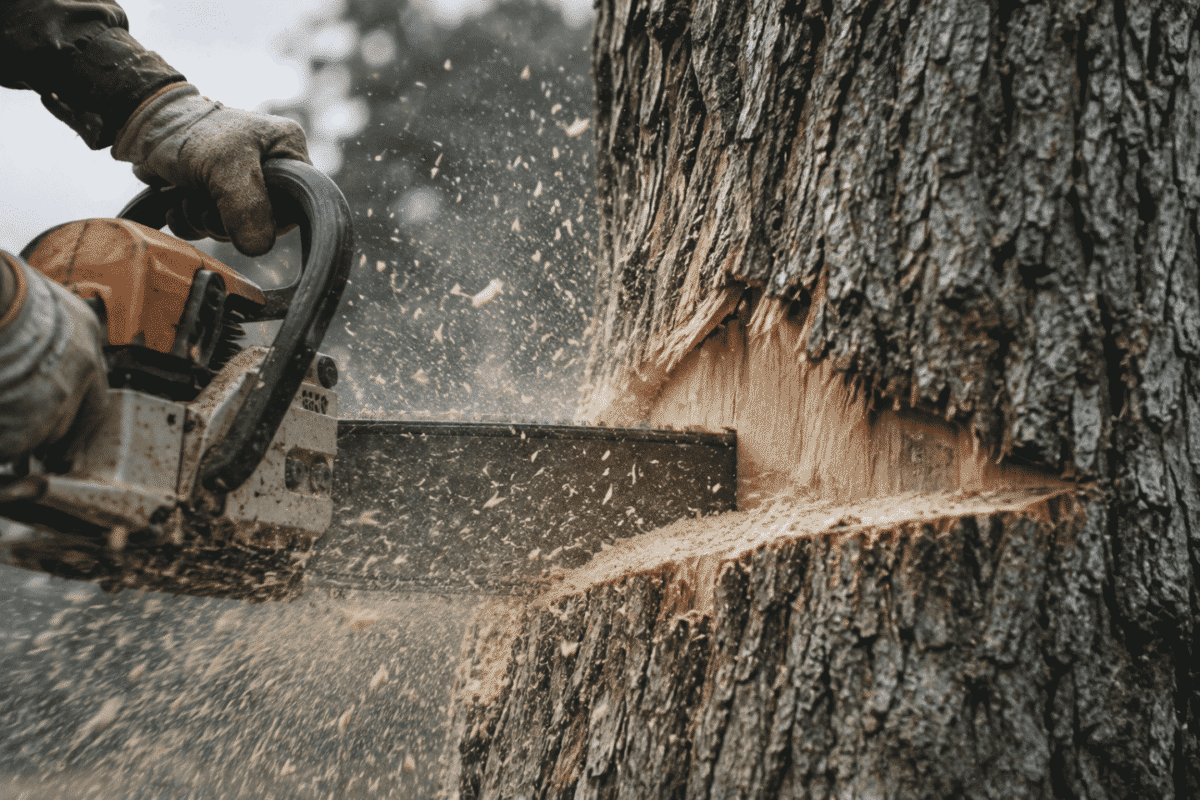
The engineers started their saws. Depending on which account you read, the cutting took forty-two minutes, three-quarters of an hour, or a little under an hour. Either way: less time than a TV drama.
North Korean soldiers stood and watched. Not one of them moved.
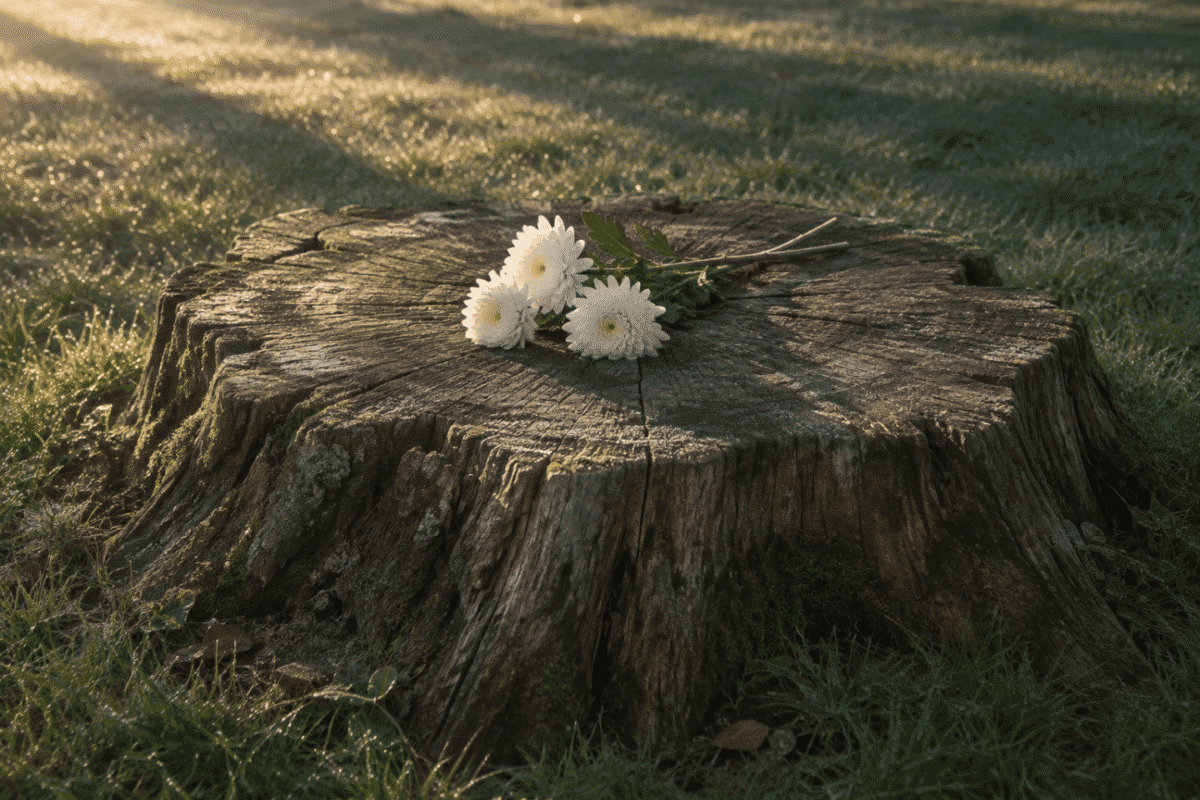
When it was over, the engineers left the stump standing. They had been told to cut the tree, not remove it, and the stump was the point — a thing North Korean guards would have to look at every day.
That afternoon, North Korea’s leader sent a message calling the deaths regrettable. It was not an apology, and it did not accept responsibility. For a government that had never said anything close to it, it was still remarkable. Washington treated it as enough.
The crisis was over, seventy-two hours after it started.
What the Stump Remembers
The shared zone did not stay shared.
Within days, the two sides agreed to divide it. The invisible line became a real one, and soldiers from each army stayed on their own side of it. That arrangement still holds. When you see photographs of soldiers facing each other across a low concrete strip at Panmunjom, you are looking at the result of this incident.
In 1987, a monument replaced the stump, with the names of the two officers on it.
In August 2026, fifty years after the attack, a ceremony was held near the site. About 130 people attended. Captain Bonifas’s daughters were there — the eight-year-old and the six-year-old, now in their fifties.
Here’s the part I keep coming back to.
If you asked an American who was alive in 1976 about that August, most would name something else entirely. It was a presidential election year. The country had just turned two hundred.
But in Korea, this is a textbook chapter. Korean students learn the date. They learn the word for it — not “incident,” but “atrocity.” Every Korean I know who went through that chapter remembers the same thing: the strangeness of a tree being the reason.
That’s the thing about living on a border that never got a peace treaty. For one country, 1976 was a summer. For the other, it was a summer when a gardening job nearly became a war.
The tree is gone. The border isn’t.
Korean DMZ Tree Incident: Quick Answers
What was the Korean DMZ tree incident? On August 18, 1976, North Korean guards attacked a work crew trimming a poplar tree in the shared zone at Panmunjom on the Korean border. Two U.S. Army officers, Captain Arthur Bonifas and First Lieutenant Mark Barrett, were killed. It is also known as the Panmunjom axe murder incident.
Why was the tree being cut down? Its branches blocked the line of sight between two guard posts, so one position could not see the other.
What was Operation Paul Bunyan? It was the U.S. and South Korean response on August 21, 1976: a force that cut the tree down in under an hour while helicopters, fighter jets, an aircraft carrier, and B-52 bombers stood by. It was named after Paul Bunyan, the giant lumberjack of American folklore.
Did it start a war? No. North Korean troops watched the operation without intervening, and North Korea’s leader afterward sent a message calling the deaths regrettable — short of an apology, but unusual for that government.
Can you visit the site today? The Joint Security Area at Panmunjom has long been open to organized tours, though access depends on conditions on the Korean border and is sometimes suspended. Check current status before planning a visit.